






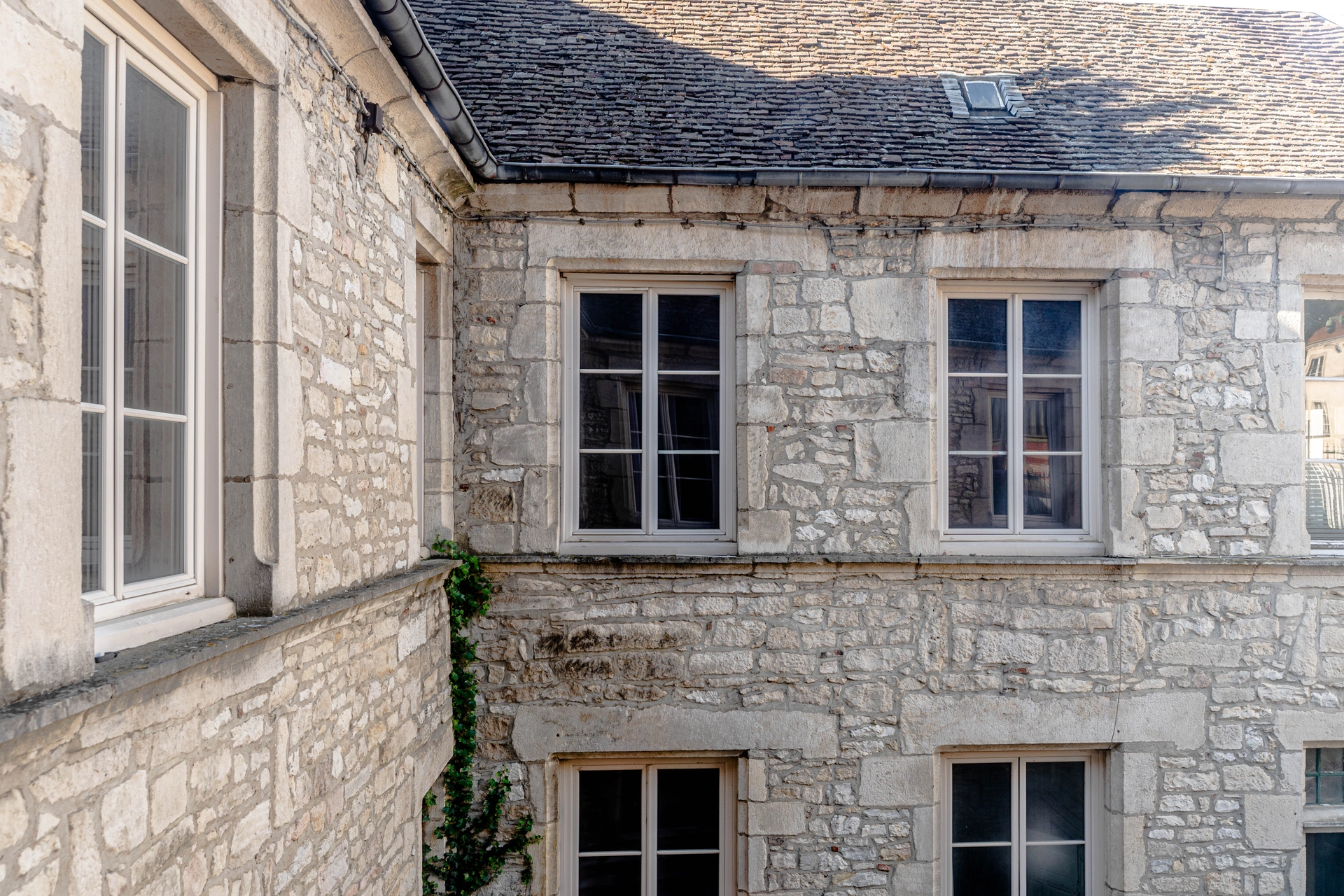
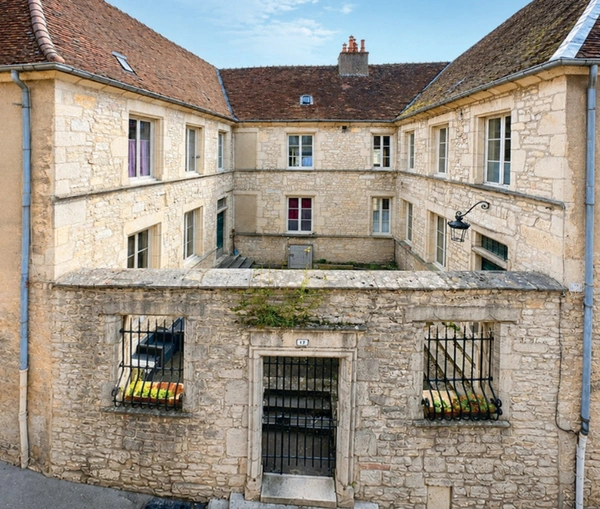
New real estate development of 11 units in Dole (39100)
Description of this new development in Dole
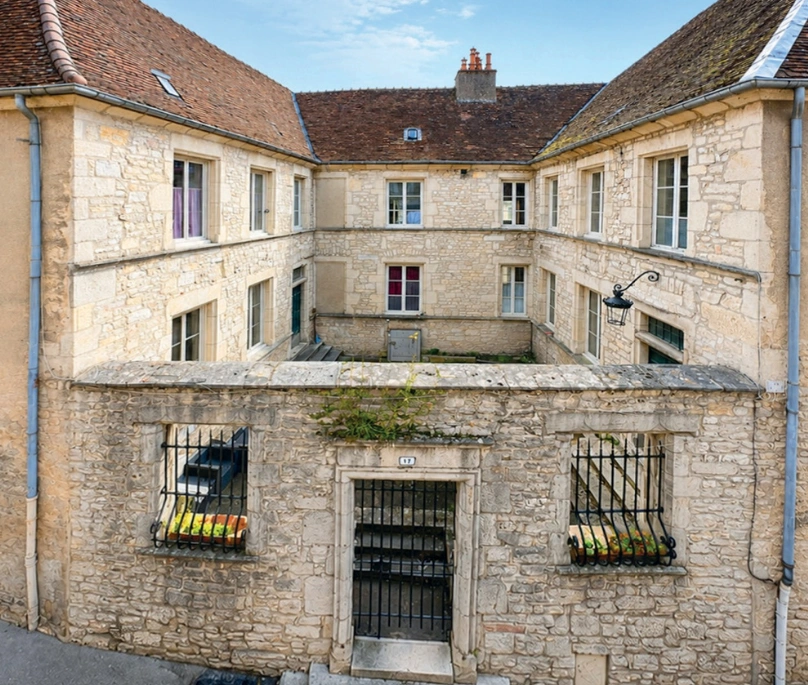
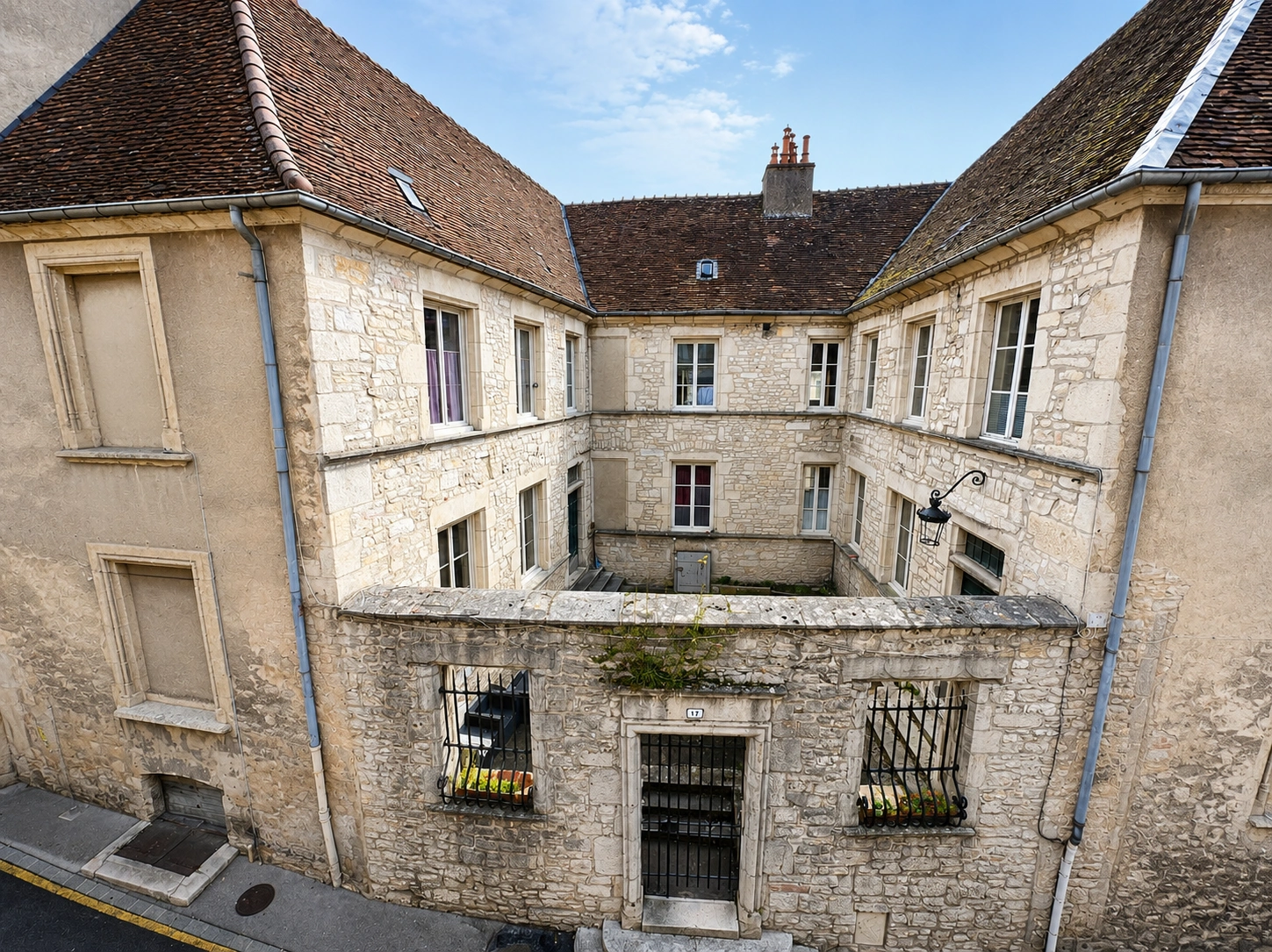
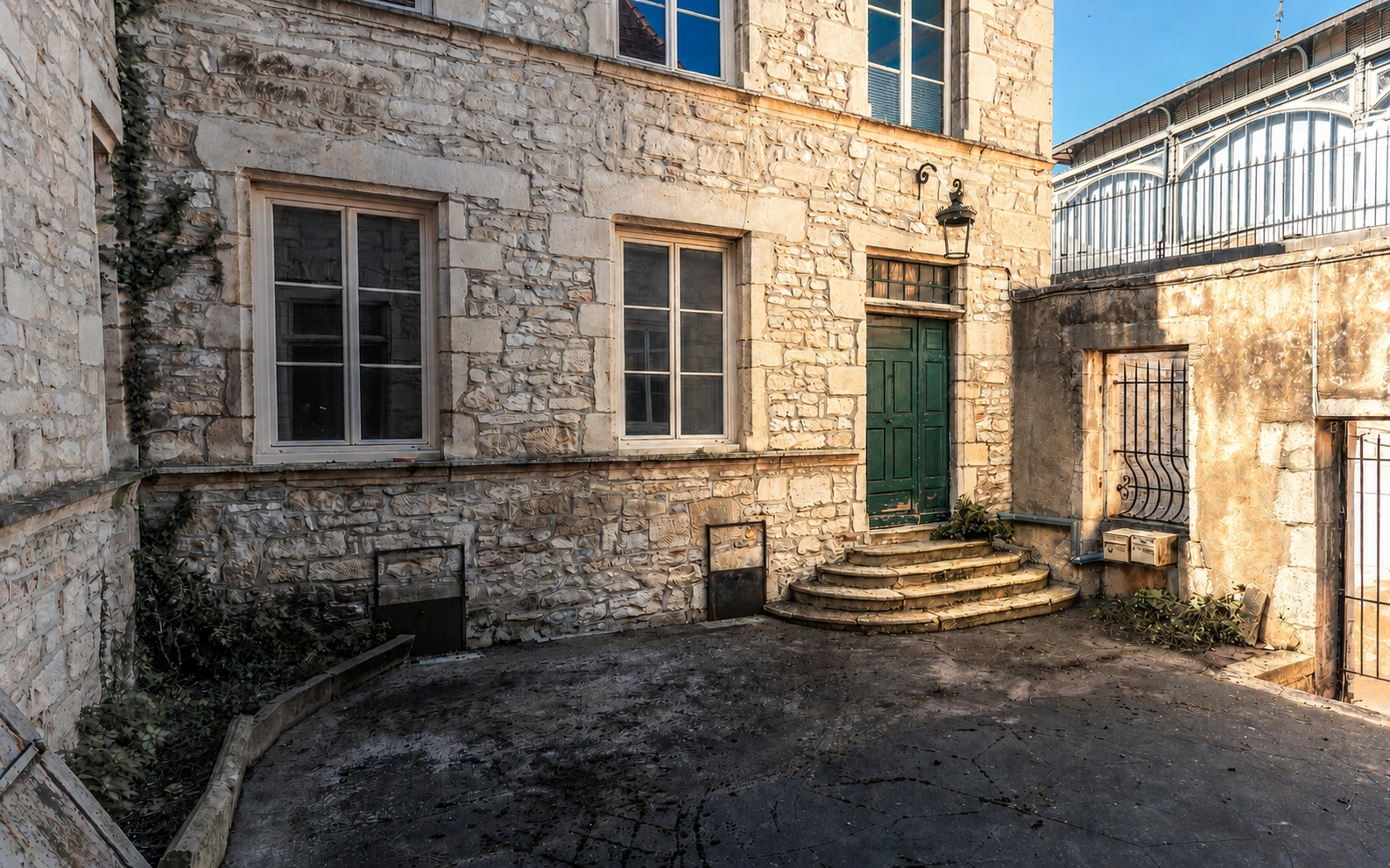
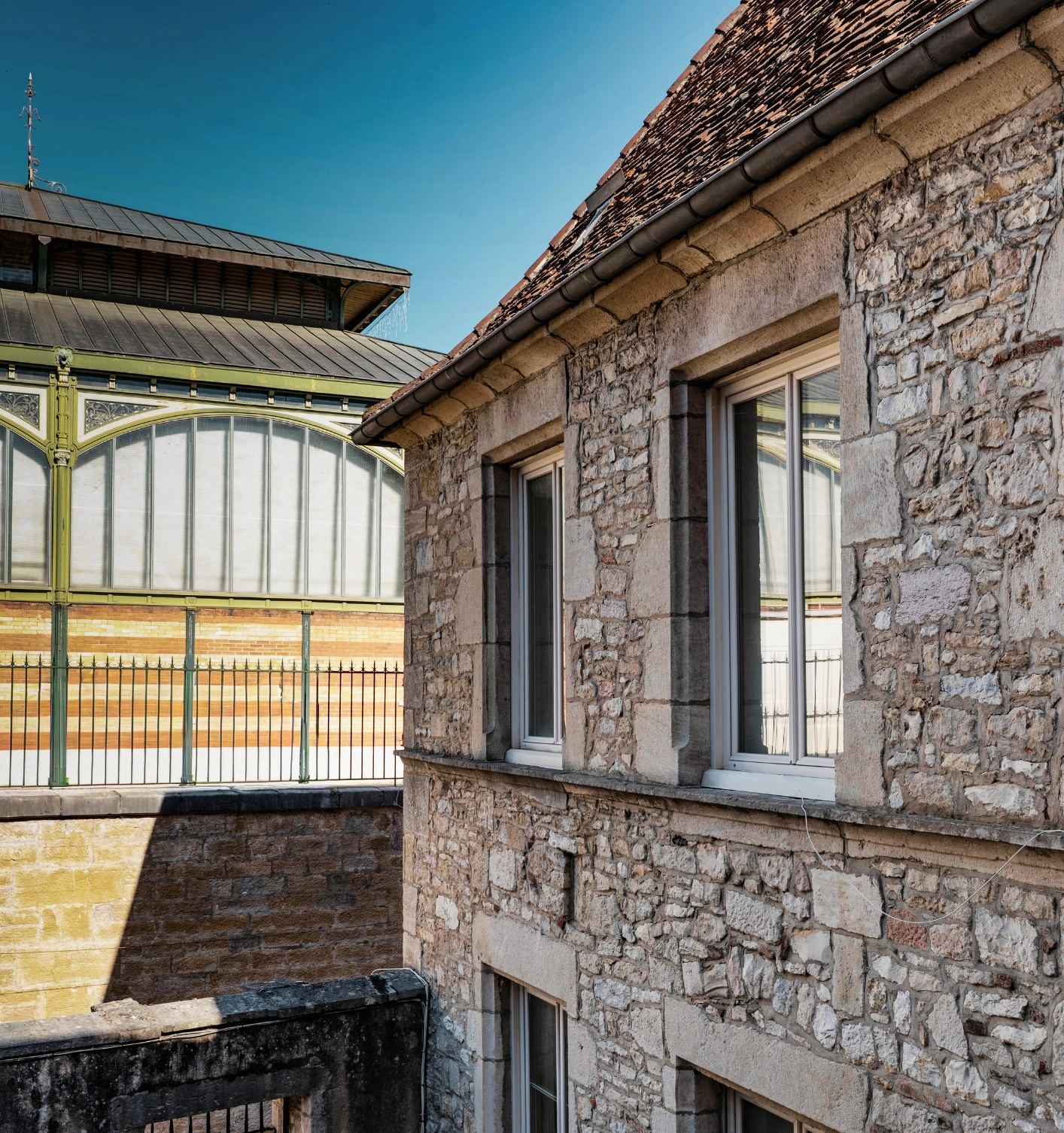
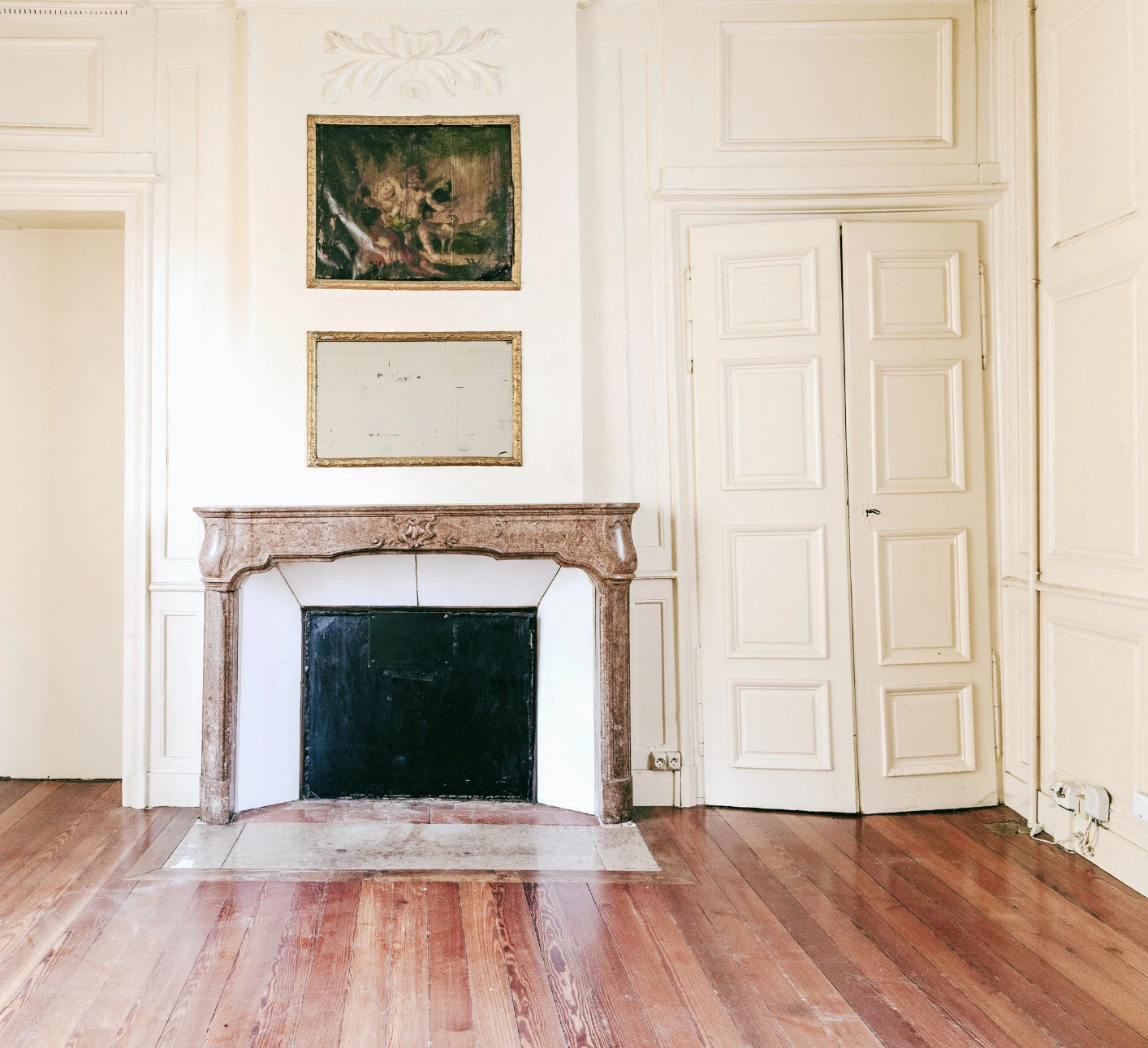
MALRAUX 30% également éligible au DENORMANDIE opt au DF ou DEFICIT FONCIER Plaquette Partenaires avec tous les plans et prix - Cliquez ici DOLE, ville TGV au coeur de la Bourgogne Franche-Comté DOLE , une ville proche du plein emploi avec un taux de chômage de 6,3% seulement (vs 8% en France) Dans une agglomération de 55 000 habitants, ville accueillant 25 000 habitants Ville TGV à 25 min de Dijon et Besançon et à 1h15 de Lausanne / 2h de Paris Un marché de l'immobilier en forte croissance + 50% sur les 10 dernières années (vs 35% en France) La Dole ce vita Au coeur du centre historique de la ville entre Hôtel de ville, Halles et Collégiale Un immeuble intimiste face aux halles, édifié au XIXème et articulé autour d’une cour intérieure A l'intérieur, une collection de 15 appartements, du studio au 2 pièces Fiscalité et Chiffres clés Eligible au choix à 3 dispositifs : Malraux 30% - Denormandie opt au DF - Déficit foncier 92% de part travaux ASL avec CPI et GBE Impact fiscal immédiat, l'année d'investissement En Malraux et DF, hors plafonnement des niches fiscales Planning prévisionnel (non contractuel) appel de fonds : 35 % en 2026 35 % en 2027 30 % en 2028 Pour réserver un logement Envoyer par mail la Lettre d’Intention d’Achat + Annexe précontractuelle (téléchargeables sur le site) complétées et signées + copie des cartes d'identité des clients + copie de contrat de mariage/pacs/divorce le cas échéant ou livret de famille
Atouts du programme
- Dole, ville TGV entre Paris et Suisse
- 92% de part travaux
- Dès 149 k€
- Malraux 30%, DF, DN opt au DF
Are you interested in this property? Contact us !



Legal guarantees: Financial completion guarantee, apparent defects guarantee, perfect completion guarantee, two-year guarantee, and ten-year guarantee.
Energy performance: RT2012 and RE2020
Accessibility to housing: disability standards, elevator, etc.
Standards: thermal, acoustic, etc.
A customizable home: modification works (bathtub, electrical outlet) and/or interior fittings such as tiling, painting, bathroom furniture, etc.
Reduced notary fees: approximately 3% vs. 7 to 8% for older properties
State aid: Zero-interest loan, Pinel scheme, etc.
Total or partial exemption from property tax: for the two years following the construction
Reduced VAT: Possibility of buying properties in ANRU zones and benefiting from a 5.5% VAT under certain income conditions.
First-time homebuyers can benefit from the zero-interest loan (PTZ) under certain income conditions.
First-time homebuyers refer to households that have not owned their primary residence in the two years preceding the loan offer and whose income does not exceed the established ceiling.
The assessment of income is based on the reference taxable income from the year N-2 of all the individuals intended to occupy the property.
The amounts of the PTZ and the income limits vary depending on the location of the property (Zone A, B, or C).
Searching for a property that meets your needs (get assistance from a specialized advisor from Capifrance)
Signing a reservation contract detailing the property (size, location, description), price, delivery date, etc. The buyer pays a deposit to the developer into an escrow account.
Financing the purchase with a loan and signing the loan offer
Signing the deed of sale at the notary's office, including all information about the property, the price and payment terms, the delivery date, and the guarantees.
Customizing the property and selecting materials in agreement with the developer (modification works).
Delivery of the property, allowing for the identification of any defects, which are addressed within a month following delivery by the companies involved in the construction.
RE2020 is the new energy and environmental regulation for all new construction. The developer commits to a certain level of building energy consumption and greenhouse gas emissions.
The aim is to design and build the future living spaces for the French population while pursuing three major objectives set by the government:
An objective of energy efficiency and energy decarbonization;
A reduction in the carbon footprint;
Ensuring comfort in case of extreme heat.
This guarantee applies for 10 years from the date of completion of the work. It protects against potential damages that could compromise the solidity of the construction and make it uninhabitable. Cracks, leaks, roofing problems, etc.: the builder is required to intervene if these damages are not due to normal wear and tear or poor maintenance of the dwelling.
Do you need advice for your real estate project? Contact a Capifrance advisor
