



Are you wondering which orientation to choose to guarantee a bright house that is economical to use? Are you hesitating between due south, east, west, or north depending on your project: main residence, rental investment, or resale? In this practical guide, we explain what the best exposure for a house is and how it influences sunshine, brightness, thermal comfort, and energy performance (DPE). We detail house orientation, azimuth, shading, and then provide a comparison of exposures and practical solutions. To properly prepare and successfully complete your real estate project, contact your local Capifrance advisor.
Definition: what is the exposure of a house?
The exposure of a house or apartment refers to the orientation of the façades and rooms in relation to the cardinal points. It determines solar gains and brightness. A distinction is made between the orientation of the house itself (the positioning of the building on the plot) and the exposure of the façades (the direction of rooms such as the living room or bedrooms). These differences guide the choice of openings and ventilation. The sun follows a daily and seasonal path. The sun’s azimuth indicates its horizontal angle. Hours of sunshine vary greatly between winter and summer. These reference points make it possible to estimate how many hours of sunlight a façade will receive at noon or in the late afternoon. Shading may be natural or artificial. A large tree, hedge, or neighboring building creates cast shadow that reduces passive solar gains. The topography and height of surrounding buildings alter the microclimate of a plot and the duration of sunshine. Tools help visualize sunlight. Sunshine apps and 3D solar simulators provide façade azimuth readings and sunshine hours. They can be useful for validating a house plan or preparing for a viewing. Things to check during a viewing: Azimuth of the main façade. Height of trees and neighboring buildings. Hours of sunshine at noon and in the late afternoon.
Key concepts: orientation, azimuth, shading
Cardinal orientation indicates the position of a façade in relation to north, south, east, and west. The azimuth of the façade is measured in degrees on a plan to determine the precise angle of exposure. It can be read with a compass or a digital tool. Natural shading (trees, terrain) and artificial shading (buildings, garages) create a local microclimate. The slope of the land can increase or reduce sunshine in a garden or on a terrace. Overlooking buildings affects privacy and the perception of light. To preserve privacy without losing light, choose hedges, plant screens, or privacy screens. These solutions reduce direct views while preserving sunshine and brightness.
Reference points for measuring sunshine
Here are a few simple reference points: Due south exposure maximizes winter solar gains and provides a great deal of brightness. North provides diffused light and few hours of direct sunshine. South-east and south-west façades are interesting compromises depending on the intended use.
Comparison of exposures: south, east, west, north
Each orientation has advantages and constraints. The choice depends on the climate, the type of property, and how the rooms are used. The summary table below outlines the differences. It can be inserted visually by the editorial team. Exposure Advantages Drawbacks Recommended uses Protections/solutions Due south Maximum brightness and passive solar gains in winter Risk of overheating in summer and overlooking Living rooms, large bay windows, terrace Sunshades, pergola, shutters, deciduous vegetation East Soft morning light; cooler in the afternoon Fewer gains at the end of the day Bedrooms, kitchen Adapted bay windows, insulation, blinds West Pleasant light in the afternoon and at sunset Potential afternoon heat Evening terrace, living room if protected Exterior blinds, adjustable sunshades North Diffused light and a cooler interior Low sunshine, fewer passive gains Secondary rooms: garage, pantry, utility room Light-colored paints, supplementary lighting
Due south exposure: advantages and disadvantages
South exposure is highly valued for brightness and passive solar gains in winter. A living room with large south-facing bay windows offers real comfort and appeals to buyers. Without solar protection, a south-facing façade risks overheating in summer. Plan for a sunshade, exterior blinds, a pergola, or deciduous vegetation. The quality of glazing and thermal insulation remain essential. Recommended use: orient living areas to the south and position the south terrace and garden accordingly.
East / West / North exposure and south-east / south-west variants
East exposure provides soft morning light. It is well suited to bedrooms and the kitchen. The afternoon remains cooler. West exposure offers beautiful light in the afternoon and at sunset. It can lead to afternoon heat. Exterior blinds help reduce discomfort. North provides diffused light and keeps things cool. It is suited to secondary rooms and, depending on the climate, to bedrooms. South-east and south-west variants balance morning and late-day light. They are good compromises for living spaces.
Impact on thermal comfort and quality of life
Orientation affects indoor temperature, ventilation, and indoor air quality. A well-designed layout reduces dependence on heating and air conditioning. Thermal mass or thermal inertia (stone walls, concrete, underfloor heating) stores heat during the day. It releases it at night and limits temperature fluctuations. Combined with efficient thermal insulation, it improves comfort in both winter and summer. Natural ventilation and cross-ventilation depend on the orientation of openings. Opposing windows facilitate effective airflow. This principle is useful for naturally cooling the house at night.
How orientation affects indoor temperature
In winter, capturing heat through south-facing bay windows reduces heating needs. In summer, protection from heat is needed through sunshades and vegetation. The combination of insulation + inertia + solar protection is the most effective. Advice: install double or triple glazing depending on the exposure. Optimize window frames and favor large glazed surfaces on the south side while planning solar protection.
Ventilation and orientation: optimizing indoor air
For effective cross-ventilation, position openings on opposite façades. During heatwaves, favor nighttime airing through bay windows and secure windows. If natural ventilation is limited, double-flow mechanical ventilation ensures air renewal and heat recovery. It contributes to energy performance and indoor health.
Summer overheating: prevention and solutions
First, prioritize passive solutions to prevent summer overheating. Install adjustable sunshades, exterior blinds, shutters, a pergola, or deciduous trees. In addition, solar films can reduce glare. Air conditioning remains a last-resort solution because it increases energy consumption. Pay close attention to the sizing and maintenance of solar protection systems.
Impact on energy consumption and DPE
Exposure influences heating and cooling consumption, and therefore the DPE. A well-thought-out orientation reduces energy needs and improves energy performance. In new builds, RE2020 encourages locating living areas on the south side and optimizing glazed surface area. A practical rule is to aim for glazed surface area equal to at least one-sixth of the habitable area in order to capture natural light.
Solar gains and heating savings
A well-used south orientation can reduce heating needs. Depending on the climate, insulation, and inertia, the gains vary. Orders of magnitude of 10 to 30% are observed in some cases. These figures remain indicative. An energy audit is recommended to precisely quantify the potential savings before any work is carried out.
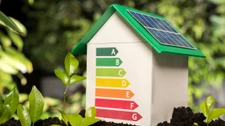
Influence of exposure on the DPE and RE2020 requirements
The DPE takes consumption and emissions into account. Better orientation that favors passive gains can improve the energy rating. Call on a certified diagnostic expert. RE2020 has set targets for new builds since 2022. It highlights the importance of house placement, room distribution, and solar panel positioning. The optimal azimuth for photovoltaic systems is generally south or south-west, depending on solar potential.
Impact on property value and criteria to consider depending on your project
Exposure influences a property’s attractiveness. Good exposure increases appeal and may generate an exposure premium on resale or rental. Brightness and comfort are important criteria for buyers. Priorities vary depending on the project. For a main residence, prioritize thermal comfort and brightness. For a rental investment, prioritize rental attractiveness and tenant turnover. For a luxury property, the view and privacy may take precedence.
How exposure translates into added resale value
A living room flooded with light (south or south-west) is a strong sales argument. Depending on the market, this may generate an indicative premium of 3 to 8% on the sale price. These estimates vary and deserve to be checked against local comparable properties. Tips for highlighting the property: take photos at the best times of day, mention the exposure in the listing, and use solar home staging techniques (mirrors, light colors).
Criteria to consider depending on the type of project
Detached house: place living areas on the south or south-west side. Plan a south-facing terrace and garden for outdoor activities. Bedrooms may be oriented east for morning light. Apartment: the floor level is decisive. A high floor reduces overlooking and increases sunshine. A well-oriented balcony enhances the property and its rental appeal. Rental investment: prioritize a bright living room (south or east) and simple solar protection. This improves rental yield and reduces vacancy.
Common mistakes, practical solutions, and case studies
Mistakes in assessing exposure are common. They often result from a single viewing in pleasant weather or an exclusive focus on “due south.” Here is how to avoid the traps and correct poor exposure.
Common mistakes and pitfalls to avoid
Do not rely on a single viewing time slot. Check the local urban plan and nearby building permits. Estimate the impact of the slope of the land and the natural shading from existing trees. Also check the glazed surface area and the quality of the window frames.
Solutions and improvements if the exposure is not ideal
Quick measures: reassign rooms, use light-colored paints, and install mirrors to reflect light. Install exterior blinds or solar films to reduce heat. Structural work: loft insulation, replacement with double or triple glazing, double-flow mechanical ventilation, and enlarging south-facing bay windows if the permit allows it. Prioritize the work according to its cost/benefit ratio for the DPE.
Concrete cases and mini quantified scenarios
Scenario 1 — New 120 m² house facing east Problem: living areas face east and winter solar gains are limited. Solutions: reorganize the layout if possible, enlarge south-facing bay windows, or increase inertia (masonry walls). Indicative gain: 10–20% heating savings with these measures and efficient insulation. Indicative figures only: a precise energy audit remains necessary. Scenario 2 — North-facing one-bedroom apartment in the city center Problem: north-facing living room and limited brightness. Strategy: solar home staging (light-colored paints, mirrors), optimize the balcony, and improve listing photos. Expected result: better rental attractiveness and likely lower vacancy. Scenario 3 — West-facing investment studio Problem: summer overheating in the afternoon. Solutions: exterior blinds, adjustable sunshades, solar films, and, if possible, rooftop solar panels on the south side. Result: improved comfort and better presentation in the listing. All these figures are orders of magnitude. An energy audit helps refine estimates before renovation or listing.
Specific features: new builds, heritage properties, shops, and offices
Priorities differ depending on the segment. New builds are governed by RE2020. Older housing requires renovation measures. Shops and offices value visibility and user comfort.
New builds and RE2020
RE2020 has applied to new builds since 2022. It encourages locating living areas on the south side and ensuring sufficient glazed surface area. A thermal assessment is often required to process the building permit.
Older homes / renovation
For an older home, orientation is often constrained. Act on loft insulation, the quality of window frames, and solar protection. Reassigning rooms can also quickly improve comfort.
Shops and offices
For shops, orientation influences visibility and attractiveness. An east-facing storefront favors morning light. For offices, plan protection to avoid glare in the afternoon.
Practical tools and checklist before buying
Before signing, equip yourself with the right tools and ask the agent the right questions. Here are the resources and an operational checklist for the viewing.
Free and paid tools
Recommended tools: SunCalc (https://suncalc.org) for an initial estimate, mobile sunshine apps, 3D solar simulators (SketchUp + plugins) for detailed analyses, and Météo-France sunshine records for the regional context. For precise costings, order an energy audit or a professional simulation.
Checklist for the viewing
Orientation of the living room and living areas. Hours of sunshine in summer and winter. Presence of overlooking neighbors, height of neighboring buildings, and trees. Glazed surface area and glazing quality (double/triple). Recent DPE and available energy diagnostics. Local urban plan and nearby building permits. Possibility of installing solar panels (azimuth and surface area). Tip: ask the agent for a SunCalc screenshot or an azimuth reading to validate the orientation before making an offer.
Trends for 2026: buyer expectations and market developments
In 2026, buyers prioritize natural light, a good DPE, and resilience to heatwaves. Well-oriented balconies, terraces, and gardens are sought-after assets. RE2020 and changes in the DPE reinforce the importance of energy performance. Buyers accept compromises if quality of life, the view, or privacy offset certain constraints. For investors, the focus is on rental attractiveness and controlling running costs. For sellers, highlighting the exposure in the listing has become essential.
Role of the local real estate advisor: valuation, presentation, and support
A local real estate advisor assesses the impact of exposure on the price and looks for suitable comparable properties. They advise on which works to prioritize, the cost versus benefit, and may offer home staging. Your Capifrance real estate advisor can put you in touch with a certified diagnostic expert, an architect, craftsmen, and companies for insulation, glazing, and solar energy. Contact a local Capifrance advisor for any real estate sale or purchase project.
Conclusion
There is no single best exposure for a house that applies to everyone. The right choice depends on the project, the climate, the land, and your priorities. Practical rules: prioritize living areas on the south or south-west side. Orient bedrooms east for morning light or north for coolness. If the exposure is not ideal, simple solutions exist: room reassignment, solar protection, insulation, and better glazing. An energy audit and a solar simulation provide precise figures. For a personalized assessment and full support, contact a local Capifrance advisor.
FAQ
What is the best exposure for a house?
In practice, south exposure (or south-west / south-east depending on the climate) is often preferred for living areas because it maximizes sunshine and winter solar gains; however, the “best” choice depends on the project, the land, the microclimate, and local regulations.
Does exposure affect the DPE and the sale price?
Yes. Good orientation optimizes passive gains and can improve energy performance (DPE); brightness and comfort enhance the property (exposure premium) — the quantified impact depends on the local market and improvement works carried out.
Which exposure should be prioritized for a bedroom?
East exposure is ideal for bedrooms for soft morning light; the north side is suitable if you prefer a cooler bedroom, especially in hot regions.
Can a north-facing house be a good purchase?
Yes, north exposure is perfectly acceptable depending on the use and the layout. Thermal performance can be improved by insulation, high-performance glazing, and a suitable layout.
How can poor exposure be compensated for?
Reassign rooms, improve insulation, install solar protections (adjustable sunshades, blinds, pergola), add high-performance glazing (double/triple), and plant suitable vegetation. A diagnostic expert or local advisor can prioritize the work.
What tools should be used to measure a property’s sunshine?
SunCalc, free sunshine apps, 3D solar simulators, azimuth readings, and Météo-France data; request a professional simulation for a precise audit.
Does orientation affect the profitability of a rental investment?
Yes. Good exposure (bright living room, balcony/terrace) increases rental attractiveness and can reduce vacancy, but location and purchase price remain decisive for profitability.
Which side of a house gets the most sun?
Short answer: In France and in the northern hemisphere, the side most exposed to the sun is the south side. It is the façade that receives the most sunshine throughout the day, especially in winter. This exposure maximizes solar gains and brightness, especially for living areas. South-west and south-east façades also offer excellent sunshine, with variations depending on the time of day.
What is the best exposure for the living area?
Short answer: The best exposure for a living area is generally south or south-west. These orientations offer optimal brightness and significant solar gains, which are particularly appreciated in a living room or lounge. South ensures sunshine all day, while south-west provides beautiful light late in the day, ideal for everyday comfort.
Which exposure should be avoided for a house?
Short answer: There is no exposure that must be completely avoided, but an exclusively north-facing orientation may be less favorable. A house facing only north receives little direct sunlight, which can lead to a lack of brightness and a feeling of cold. However, with good insulation, a suitable layout, and well-positioned openings, this constraint can be compensated for.
What is the best exposure for an apartment?
Short answer: For an apartment, the best exposure is south or south-west, especially for the living room. These orientations guarantee good sunshine and strong brightness, which improves comfort and the value of the property. On a high floor, good exposure is even more valuable because it reduces overlooking and optimizes natural light.
Until what time does the sun shine on a south-east exposure?
Short answer: A south-east exposure receives sunlight from the morning until the beginning of the afternoon. In general, the sun shines on a south-east façade until around 2 p.m.–3 p.m., depending on the season. It benefits from good morning sunshine while avoiding the strong late-day heat.
Until what time does the sun shine on a north-east exposure?
Short answer: A north-east exposure receives little direct sunlight, mainly early in the morning. The sun may shine on this façade until around 10 a.m.–11 a.m. in summer, and very little in winter. The light is mostly diffused, with limited sunshine.
Until what time does the sun shine on a west exposure?
Short answer: A west exposure receives sunlight from the afternoon until sunset. The sun begins to shine on a west-facing façade around 1 p.m.–2 p.m. and remains present until the evening, sometimes until 9 p.m. in summer. This orientation is ideal for enjoying light at the end of the day.
Until what time does the sun shine on a south-west exposure?
Short answer: A south-west exposure benefits from sunlight from late morning until sunset. It is sunny from around 11 a.m.–12 p.m. and keeps the light until evening. It is a highly sought-after orientation for living areas thanks to its extended sunshine.
Until what time does the sun shine on an east exposure?
Short answer: An east exposure receives sunlight in the morning until the beginning of the afternoon. The sun generally shines on an east-facing façade until around 1 p.m.–2 p.m. This orientation offers soft morning light and remains cool in the afternoon.
Until what time does the sun shine on a north exposure?
Short answer: A north exposure receives very little direct sunlight. In winter, it is almost never sunny. In summer, it may receive a little sunlight very early in the morning or late in the evening, but it remains mostly shaded with diffused light.
Until what time does the sun shine on a north-west exposure?
Short answer: A north-west exposure receives sunlight late in the day, especially in summer. The sun may appear in the late afternoon around 5 p.m.–6 p.m. and last until sunset. In winter, sunshine is very limited.
How can you find out the exposure of a house?
Short answer: You can find out the exposure of a house using a compass, a mobile app, or an online tool such as SunCalc. On site, observe the position of the sun at different times of the day and identify the direction of the façades. Cadastral plans, construction plans, and digital tools also make it possible to precisely measure azimuth and orientation.
What is the best orientation for a house?
Short answer: The best orientation for a house is generally a south orientation for living areas, complemented by east or north for the other rooms. The ideal is to distribute uses: living room to the south or south-west for brightness, bedrooms to the east for the morning or to the north for coolness. A balanced orientation optimizes thermal comfort, energy performance, and the property’s real estate value.
Author :

Frédéric Rémy – Director of Commercial Performance
A real estate professional for several years within the Capifrance network, I would like to share with you some essential advice to help you succeed in your real estate project with the support of our advisors.