




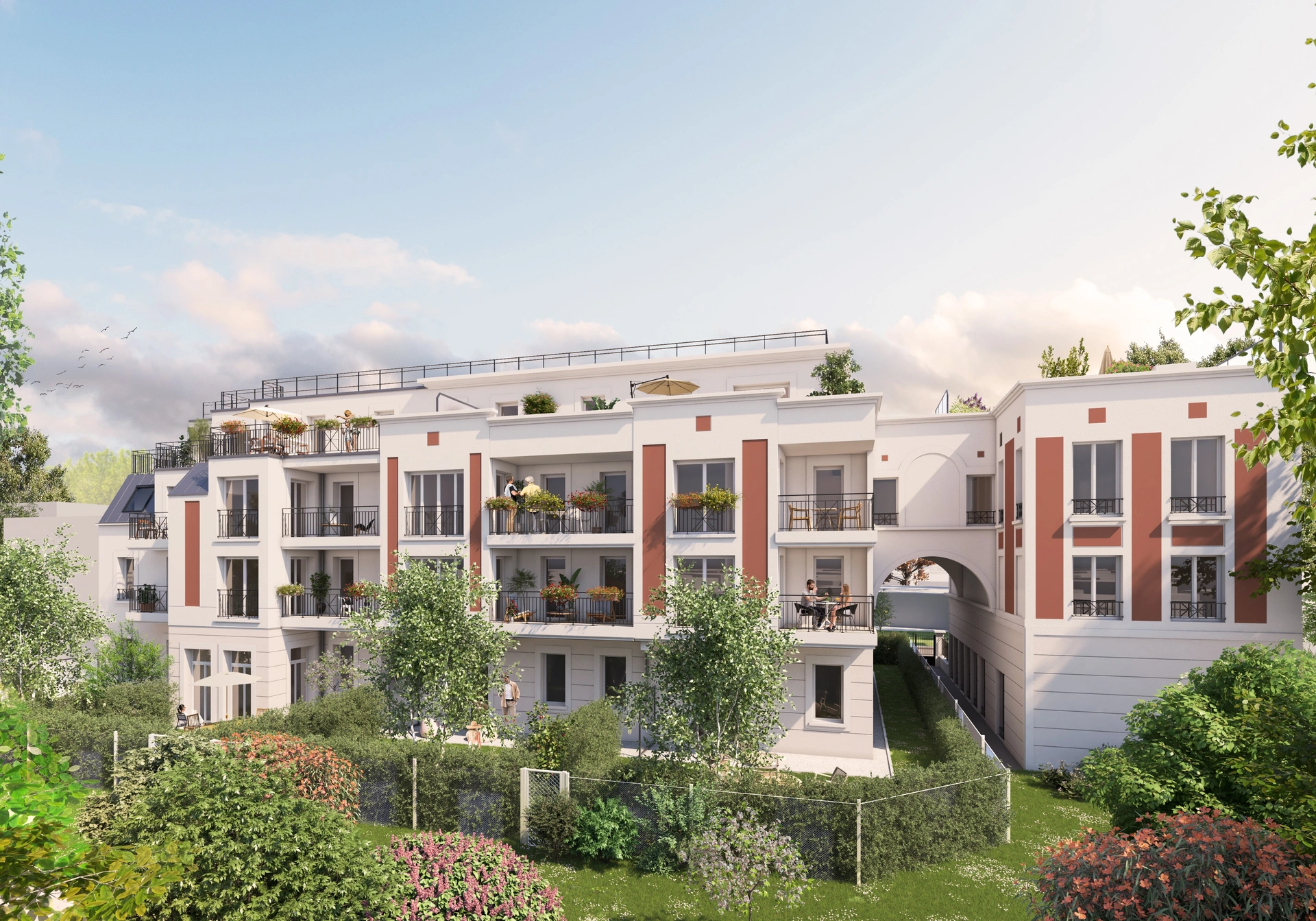
New real estate development of 22 units in Neuilly-Plaisance (93360)
Description of this new development in Neuilly-Plaisance
Localisation :
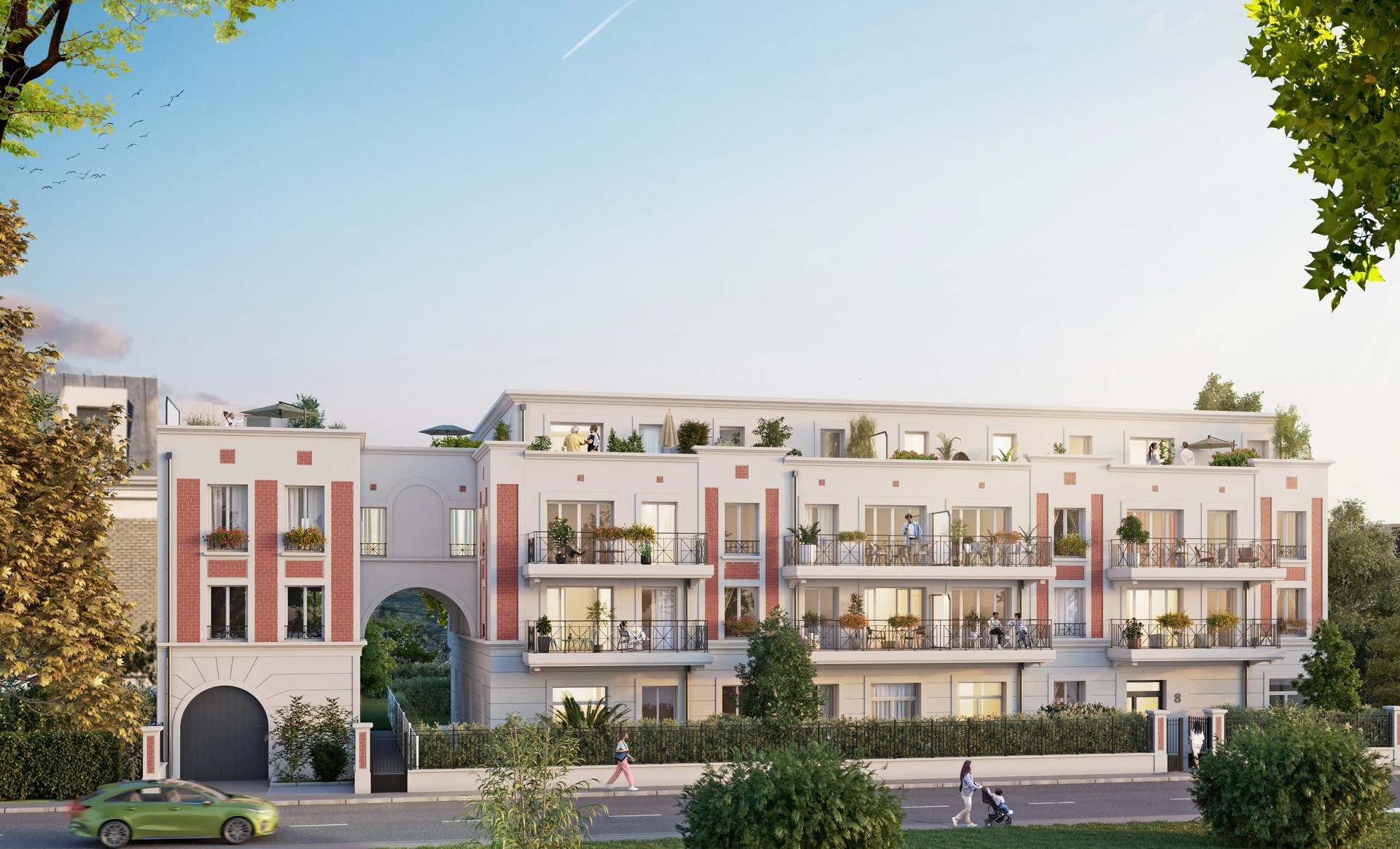
Située au 8-12 rue de la Marne à Neuilly-Plaisance.
Quartier résidentiel Bel-Air - Clemenceau - Carnot : ambiance familiale, verdoyant, proche du centre-ville.
Commodités accessibles à pied (supermarchés, écoles, marché, équipements sportifs).
Proximité du parc des Coteaux d'Avron et des bords de Marne.
Excellente connexion :
RER A (station Neuilly-Plaisance à 6 min en vélo).
A86 à 9 min en voiture.
La résidence : Villa Marnéa
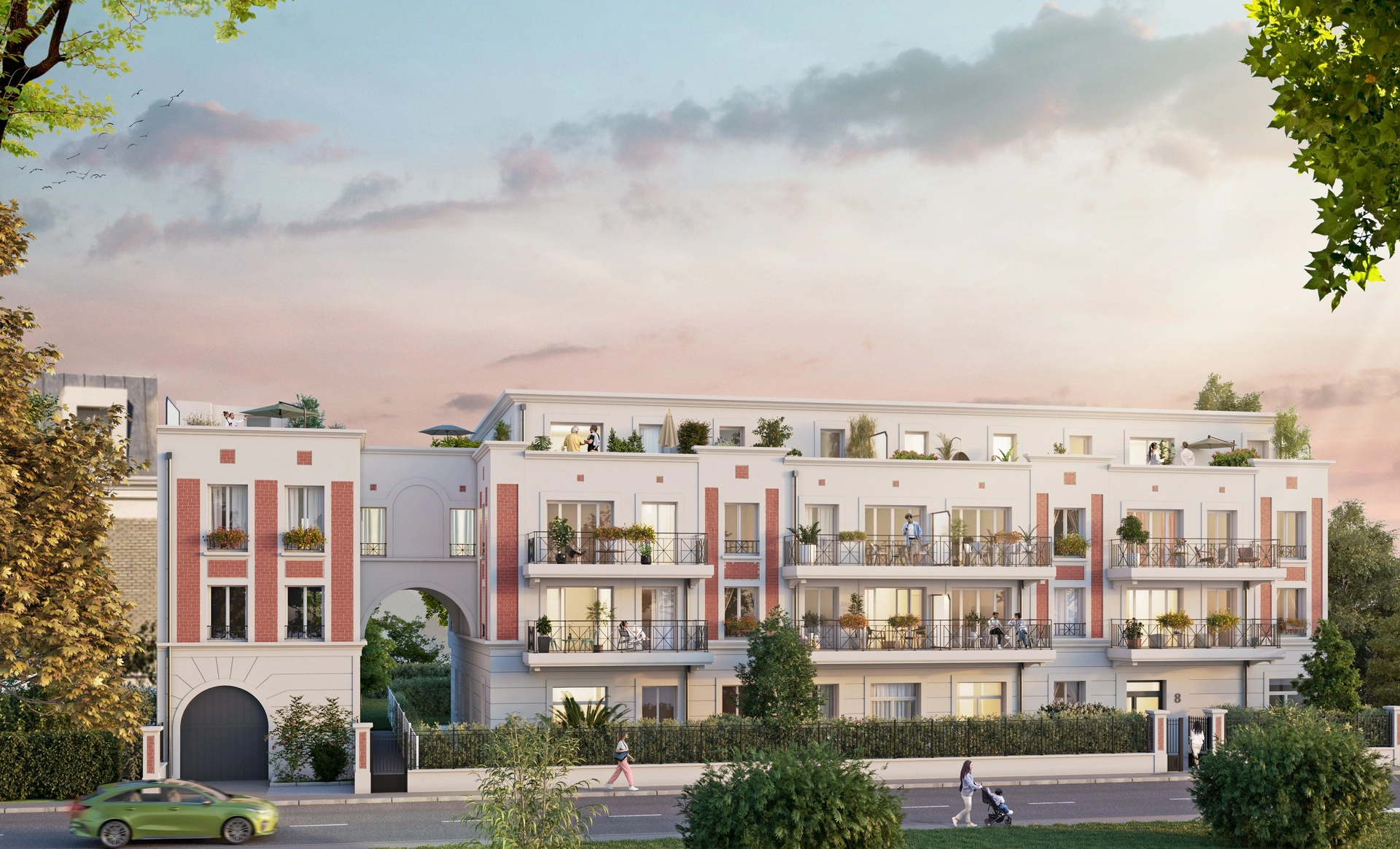
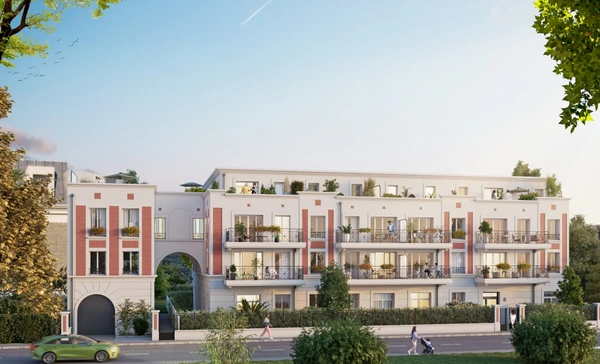
Architecture néoclassique élégante, harmonieuse et intemporelle.
Porche majestueux ouvrant sur un jardin intérieur paysager.
Résidence entièrement clôturée, sécurisée (visiophone, badge Vigik®).
Stationnement souterrain sur deux niveaux.
Zone végétalisée en coeur d'îlot.
Les logements
29 appartements du 2 au 5 pièces duplex.
Tous dotés d'un espace extérieur : balcons, loggias, terrasses ou rooftops.
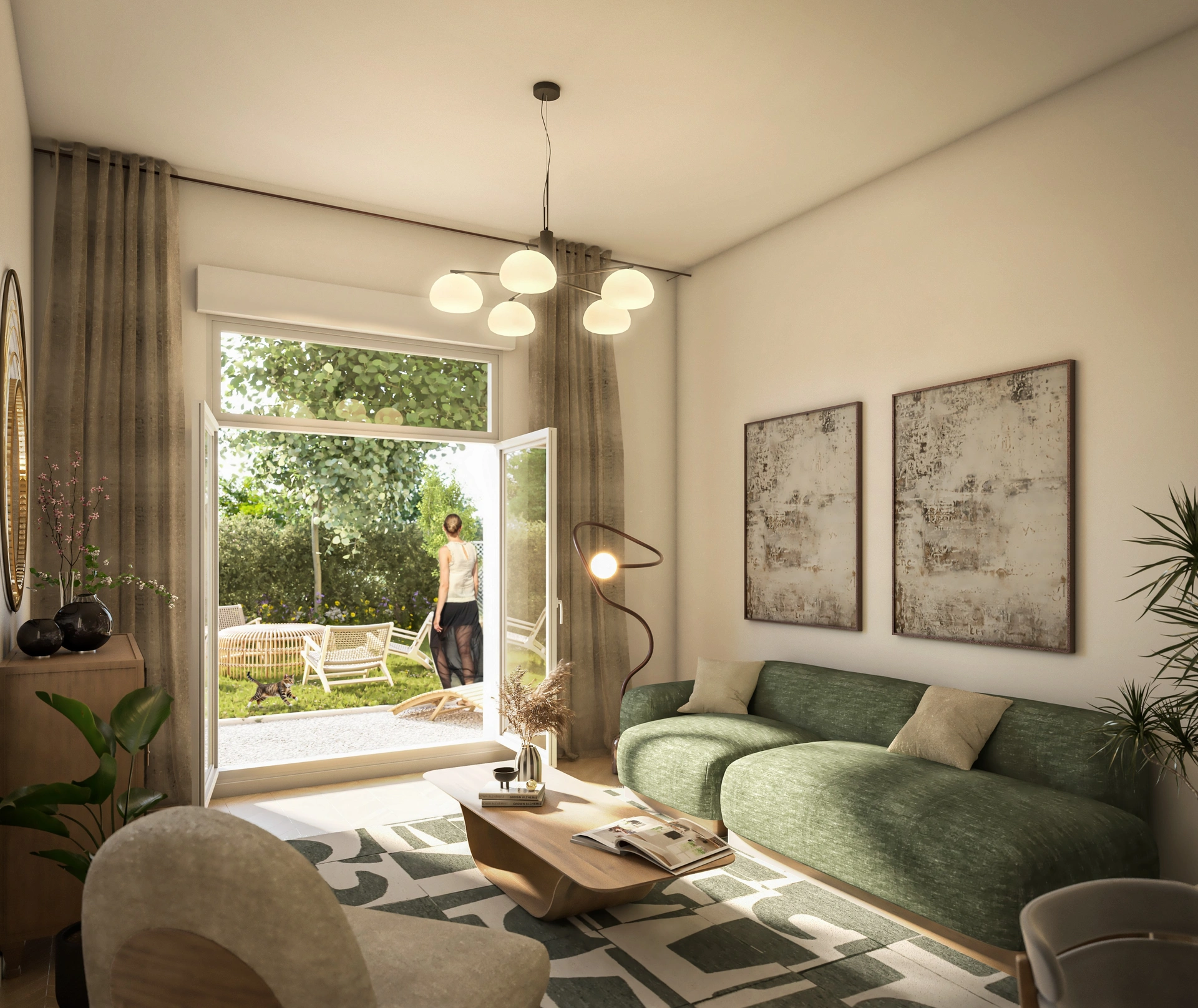
Rez-de-chaussée avec jardins privatifs.
Hauteur sous plafond de 3 m en rez-de-chaussée.
Finitions soignées :
Parquet en chêne contrecollé dans les pièces principales.
Carrelage en grès cérame dans pièces d'eau et cuisine.
Portes palières sécurisées (serrure 3 points A2P*).
Salle de bains équipée (meuble vasque, sèche serviettes).
Chauffage et eau chaude collectifs.
Atouts principaux
Allie nature, confort et proximité urbaine.
Espaces extérieurs généreux pour tous les logements.
Prestations haut de gamme et cadre de vie raffiné.
Adresse rare dans un quartier calme et recherché à proximité immédiate de Paris.
22 lots d'habitations disponibles
-
PriceSurface areaCharacteristics
-
Apartment 40m2Parking Floor : 1280 948€
-
280 948€40m2Parking - Floor : 1
-
Apartment 39m2Parking Floor : 2285 498€
-
285 498€39m2Parking - Floor : 2
-
Apartment 42m2Parking Floor : 0301 422€
-
301 422€42m2Parking - Floor : 0
-
Apartment 40m2Parking Floor : 0303 697€
-
303 697€40m2Parking - Floor : 0
-
PriceSurface areaCharacteristics
-
Apartment 52m2Parking Floor : 0340 095€
-
340 095€52m2Parking - Floor : 0
-
Apartment 55m2Parking Floor : 1340 095€
-
340 095€55m2Parking - Floor : 1
-
Apartment 51m2Parking Floor : 1346 919€
-
346 919€51m2Parking - Floor : 1
-
Apartment 55m2Parking Floor : 2348 057€
-
348 057€55m2Parking - Floor : 2
-
Apartment 51m2Parking Floor : 2352 607€
-
352 607€51m2Parking - Floor : 2
-
Apartment 60m2Parking Floor : 0354 882€
-
354 882€60m2Parking - Floor : 0
-
Apartment 55m2Parking Floor : 1356 019€
-
356 019€55m2Parking - Floor : 1
-
Apartment 57m2Parking Floor : 0360 569€
-
360 569€57m2Parking - Floor : 0
-
Apartment 57m2Parking Floor : 2362 844€
-
362 844€57m2Parking - Floor : 2
-
Apartment 60m2Parking Floor : 1365 118€
-
365 118€60m2Parking - Floor : 1
-
Apartment 60m2Parking Floor : 2371 949€
-
371 949€60m2Parking - Floor : 2
-
Apartment 64m2Parking Floor : 1378 768€
-
378 768€64m2Parking - Floor : 1
-
Apartment 64m2Parking Floor : 1381 043€
-
381 043€64m2Parking - Floor : 1
-
Apartment 63m2Parking Floor : 0384 455€
-
384 455€63m2Parking - Floor : 0
-
PriceSurface areaCharacteristics
-
Apartment 76m2Parking Floor : 3469 763€
-
469 763€76m2Parking - Floor : 3
-
Apartment 82m2Parking Floor : 3497 062€
-
497 062€82m2Parking - Floor : 3
-
PriceSurface areaCharacteristics
-
Apartment 90m2Parking Floor : 2540 284€
-
540 284€90m2Parking - Floor : 2
-
Apartment 92m2Parking Floor : 2544 834€
-
544 834€92m2Parking - Floor : 2
Are you interested in this property? Contact us !



Legal guarantees: Financial completion guarantee, apparent defects guarantee, perfect completion guarantee, two-year guarantee, and ten-year guarantee.
Energy performance: RT2012 and RE2020
Accessibility to housing: disability standards, elevator, etc.
Standards: thermal, acoustic, etc.
A customizable home: modification works (bathtub, electrical outlet) and/or interior fittings such as tiling, painting, bathroom furniture, etc.
Reduced notary fees: approximately 3% vs. 7 to 8% for older properties
State aid: Zero-interest loan, Pinel scheme, etc.
Total or partial exemption from property tax: for the two years following the construction
Reduced VAT: Possibility of buying properties in ANRU zones and benefiting from a 5.5% VAT under certain income conditions.
First-time homebuyers can benefit from the zero-interest loan (PTZ) under certain income conditions.
First-time homebuyers refer to households that have not owned their primary residence in the two years preceding the loan offer and whose income does not exceed the established ceiling.
The assessment of income is based on the reference taxable income from the year N-2 of all the individuals intended to occupy the property.
The amounts of the PTZ and the income limits vary depending on the location of the property (Zone A, B, or C).
Searching for a property that meets your needs (get assistance from a specialized advisor from Capifrance)
Signing a reservation contract detailing the property (size, location, description), price, delivery date, etc. The buyer pays a deposit to the developer into an escrow account.
Financing the purchase with a loan and signing the loan offer
Signing the deed of sale at the notary's office, including all information about the property, the price and payment terms, the delivery date, and the guarantees.
Customizing the property and selecting materials in agreement with the developer (modification works).
Delivery of the property, allowing for the identification of any defects, which are addressed within a month following delivery by the companies involved in the construction.
RE2020 is the new energy and environmental regulation for all new construction. The developer commits to a certain level of building energy consumption and greenhouse gas emissions.
The aim is to design and build the future living spaces for the French population while pursuing three major objectives set by the government:
An objective of energy efficiency and energy decarbonization;
A reduction in the carbon footprint;
Ensuring comfort in case of extreme heat.
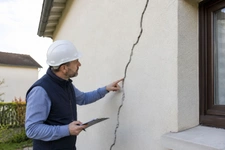
This guarantee applies for 10 years from the date of completion of the work. It protects against potential damages that could compromise the solidity of the construction and make it uninhabitable. Cracks, leaks, roofing problems, etc.: the builder is required to intervene if these damages are not due to normal wear and tear or poor maintenance of the dwelling.
Do you need advice for your real estate project? Contact a Capifrance advisor
