





Valuing a château, an hôtel particulier or an exceptional villa in France does not call for the same methods as a standard valuation: the luxury real estate market lacks comparables and requires an expert reading of intangible elements. An unobstructed view, the history of the property, the signature of a renowned architect or the discretion of the transaction weigh as much as living area in calculating the final value. This article explains, with figures and methods, how professionals build a reliable valuation for an exceptional property in France. You will find the valuation approaches used by experts, the factors that lead to premiums and discounts, and best practices for obtaining a fair valuation before putting a property on the market.
In Summary
- The traditional comparative method quickly reaches its limits in the luxury segment, owing to an insufficient number of similar transactions.
- Experts combine several approaches: broadened comparison, capitalisation of potential rental income and reconstruction cost.
- Intangible elements such as the view, the history, the architectural signature or the discretion can generate premiums or discounts of 10 to 20%.
- Turning to a specialist adviser in prestige real estate remains the guarantee of a realistic property valuation that can be defended in front of buyers.
Why Valuing a Luxury Property Differs from a Standard Valuation
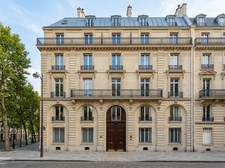
In the mainstream residential market, valuation relies on a solid statistical base: thousands of comparable transactions make it possible to adjust a price per square metre according to the neighbourhood, the condition of the property and local trends. In luxury real estate, this logic breaks down once a certain price threshold or level of architectural rarity is exceeded. An 18th-century hôtel particulier, a contemporary villa designed by a renowned architect or a wine-producing château have, by definition, very few equivalents sold within the same geographical area.
A Market with Shallow Data Depth
In the prestige segment, comparable sales references can amount to just a handful of transactions per year within a single micro-market. This statistical scarcity obliges experts to widen the scope of analysis, sometimes to a regional or national scale, weighting each comparable according to its actual degree of similarity with the property being valued.
Different Buyers and Different Uses
Buyers of exceptional properties do not reason solely in euros per square metre. Second home, wealth-building investment, prestige project or architectural love at first sight: purchase motivations directly influence willingness to pay, which makes the valuation more sensitive to the profile of the targeted clientele than to the local market average.
Valuation Methods Used by Luxury Experts
Faced with insufficient comparable data, luxury real estate professionals combine several valuation approaches, each providing complementary insight into the final price.
The Broadened Comparative Method
It remains the starting point: analysing recent sales of similar properties in terms of standing, surface area and location. For rare properties, the expert widens the geographical area of comparison and relies on specialised databases that record high-end transactions nationwide, in order to establish a consistent price range despite the low density of local references.
Capitalisation of Potential Rental Income
When comparables are lacking, a capitalisation approach can be used, in particular for properties that could be rented by the week or by the year in the high-end segment. The value is then estimated from the property's potential rental income, divided by a yield rate observed on comparable assets.
Replacement or Reconstruction Cost
For properties with exceptional architecture or historic residences that are difficult to reproduce, experts assess the cost that would be involved in rebuilding the structure and outdoor features identically, adjusted for obsolescence and valued in relation to the land. This method usefully complements the comparative approach when the property is truly unique.
The Intangible Elements That Cause Value to Vary
Beyond square metres, a significant part of the value of a prestige property comes down to qualitative criteria that an automated tool cannot assess. An algorithm measures neither the quality of an unobstructed view, nor the rarity of a private garden in a city centre, nor the appeal of a listed staircase.
View, surroundings and rarity
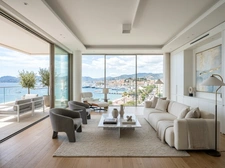
A view of the sea, of an iconic monument or of a listed park can command a substantial premium compared with an equivalent property without an open outlook. The rarity of the plot, the absence of overlooking or the immediate proximity of a remarkable site reinforce this added value, provided that it is lasting and not threatened by a neighbouring construction project.
History, architecture and signature
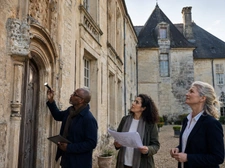
The past of a residence, the personalities who lived there, its symbolic significance or its architectural signature are genuine factors of added value. Period mouldings, listed fireplaces, exceptional ceiling heights or noble materials create an emotional value that conventional price grids do not capture, but that buyers in this segment are prepared to pay for.
Discretion and confidentiality of the transaction
Discretion is an integral part of the value perceived by a demanding clientele. A confidential sale process without excessive public visibility, communication centred on the property's authentic history rather than on standardised criteria, and a rigorous selection of visitors all help preserve the property's value and appeal among the most qualified buyers.
Discounts to anticipate when valuing a property
Conversely to the factors that add a premium, certain elements weigh negatively on the valuation of an exceptional property and must be identified from the valuation stage to avoid any disappointment during negotiation.
Easements and heritage constraints
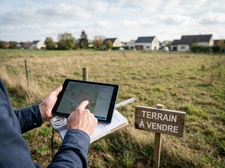
A right of way, a view easement or an architectural constraint linked to the proximity of a listed historic monument can reduce a property's valuation by 10 to 20%. These legal and administrative elements must be checked beforehand, in particular through planning documents and technical surveys, in order to adjust the valuation accordingly.
Renovation work and compliance upgrades
Old or listed residences often impose specific renovation constraints, requiring materials and qualified craftspeople whose cost far exceeds that of a standard renovation. A well-informed buyer factors this potential additional cost into their offer, which the seller must anticipate when setting the price.
Calling on an expert for a reliable valuation
Given the scarcity of comparables and the weight of intangible criteria, the valuation of a luxury property is best entrusted to a professional with specific knowledge of this closed market.
Detailed knowledge of a confidential market
An expert specialising in prestige real estate knows the potential buyers, the recent unpublished transactions and the particularities of each sought-after neighbourhood or village. This field knowledge makes it possible to refine a price range that online valuation tools, designed for the mass market, cannot provide with the same precision.
Tailored support through to the sale
Beyond the figure, the expert supports the seller in showcasing their property: staging, a discreet marketing strategy, selection of the most suitable property listings and negotiation with qualified buyers. It is this combination of a quantified method and human expertise that makes it possible to achieve a fair price, neither undervalued nor unrealistic in light of the market.
Conclusion
Valuing a luxury property requires combining several valuation methods - broad comparison, capitalisation of rental income, reconstruction cost - while taking into account intangible criteria such as the view, history, architectural signature or the discretion of the transaction. These elements, which are difficult to quantify automatically, can cause the final value to vary by several percentage points, upwards as well as downwards. To secure this valuation and defend it effectively against buyers, the support of a real estate advisor specialising in the prestige segment remains the most reliable solution.
The expert's word
"Valuing a prestige property means accepting to step outside the usual frameworks. When direct comparables are lacking, you have to know how to broaden your view, look for references at the regional and sometimes national level, and weight each transaction according to its real degree of similarity with the property in question. But the hardest part is not there: the hardest part is knowing how to translate into euros what cannot easily be measured. An unobstructed view over a listed site (site classé), a period staircase, the history of a family that left its mark on the region, the discretion of a negotiation conducted away from public listings: all of this weighs in the balance, sometimes more than the square metres themselves. Conversely, a poorly documented easement (servitude) or an unanticipated architectural constraint can cost several points of valuation if it is not identified from the outset. That is the whole role of the specialist advisor: combining a rigorous, quantified and defensible method with a detailed knowledge of the confidential market and of the buyers likely to come forward. At Capifrance, our advisors who are experts in the prestige segment support each owner in this twofold approach, in order to arrive at a fair price, consistent with the market and fully upheld at the time of negotiation."
— Frédéric Rémy, Commercial Performance Director at Capifrance
FAQ - Frequently Asked Questions
Why is valuing a luxury property more complex than a standard valuation?
Because the number of comparable transactions is very limited, which makes it necessary to broaden the scope of analysis and combine several valuation methods rather than relying on a single statistical reference.
Is an online valuation tool enough to assess a prestige property?
No, an automated tool cannot assess qualitative criteria such as the quality of a view, the rarity of a garden or the historical value of a listed staircase, which nevertheless weigh heavily on the final price.
What factors can lead to a discount on an exceptional property?
A right-of-way or view easement (servitude de passage ou de vue), an architectural constraint linked to a nearby listed historic monument (monument historique classé), or costly renovation work required by the heritage character of the property can reduce the valuation by 10 to 20%.
Does discretion really influence the value of a luxury property?
Yes, confidential marketing and a rigorous selection of buyers help preserve the property's appeal and avoid negative pressure on the price caused by excessive public exposure.
Why call on a specialist advisor to value a prestige property?
Because they know the confidential market, unpublished transactions and potential buyers, which allows them to refine the valuation with a precision that a general-purpose tool cannot achieve.
Also read on the blog
- Prestige real estate: criteria to check and pitfalls to avoid when buying
- The 4 values of a house you need to know to successfully sell your property
- Selling a property listed as a historic monument: the rules to know
Author
Frédéric Rémy – Director of Sales Performance

A real estate professional with several years of experience within the Capifrance network, I would like to share essential advice with you to help you successfully complete your property project with our advisors.