







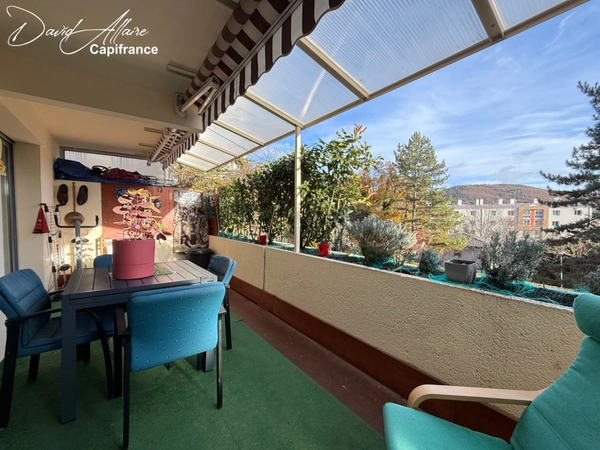

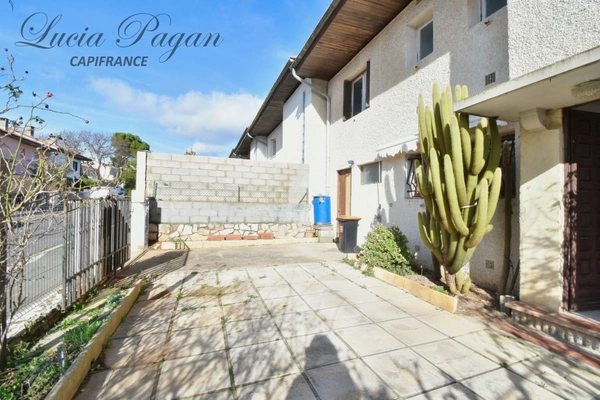
- 1 br
- 90 m²
- 4 bedrooms

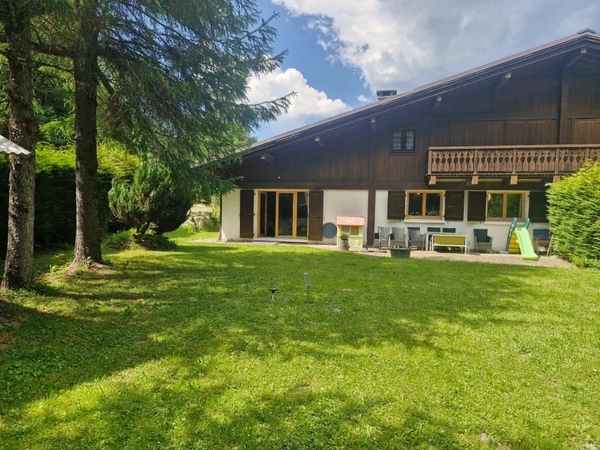
- 2 br
- 115 m²
- 4 bedrooms

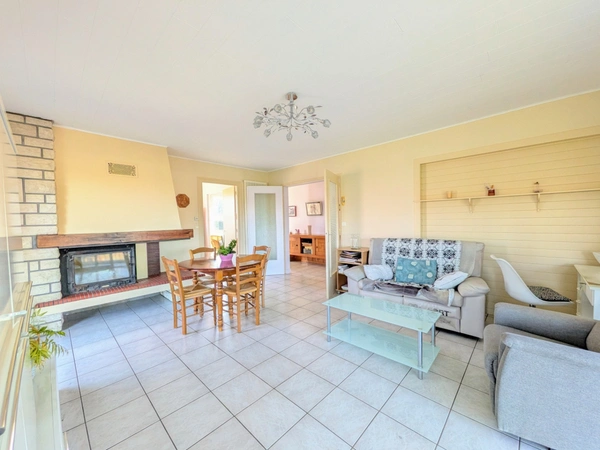
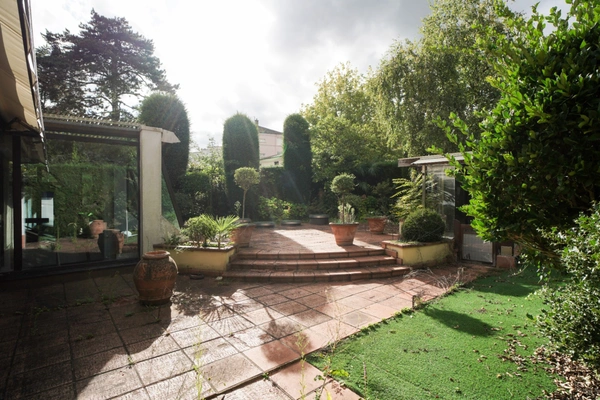

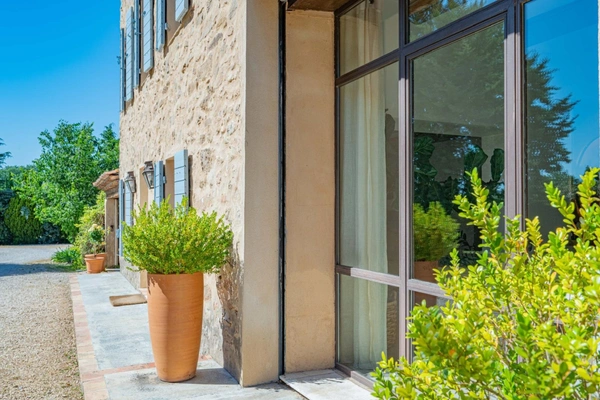
- 3 br
- 200 m²
- 4 bedrooms

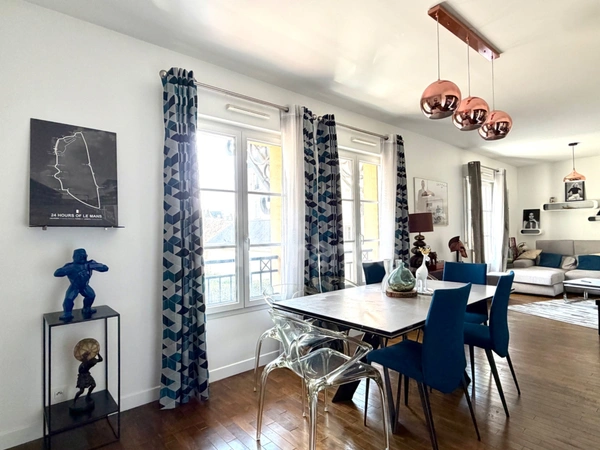
- 1 br
- 60 m²
- 1 bedrooms

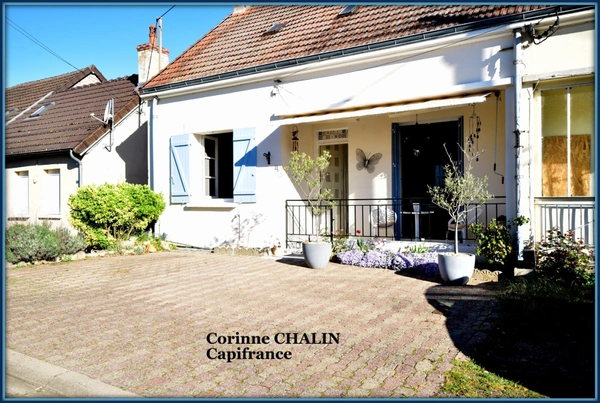
- 1 br
- 67 m²
- 2 bedrooms

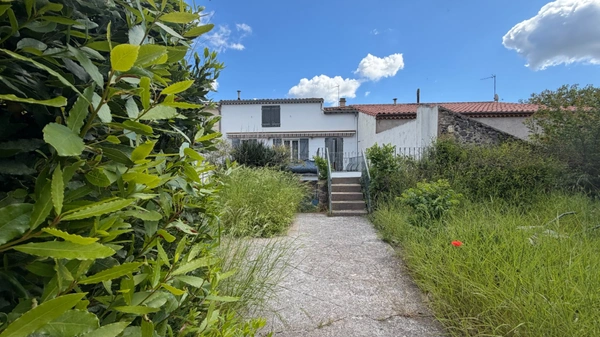

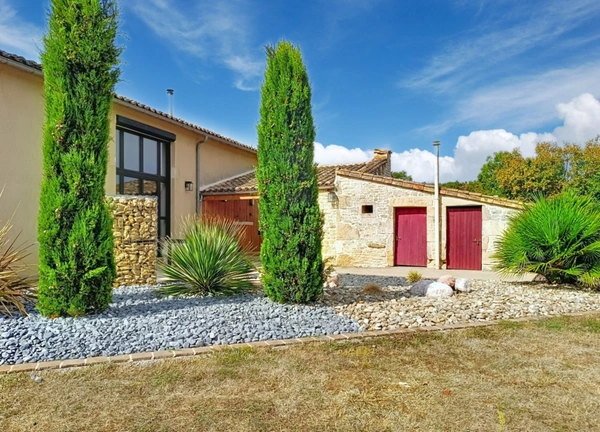
- 2 br
- 157 m²
- 3 bedrooms

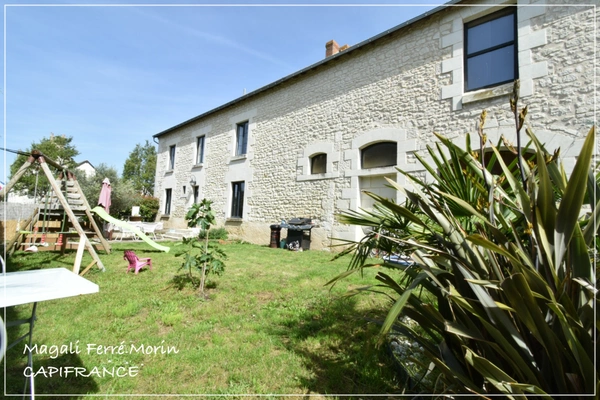
- 1 br
- 155 m²
- 3 bedrooms

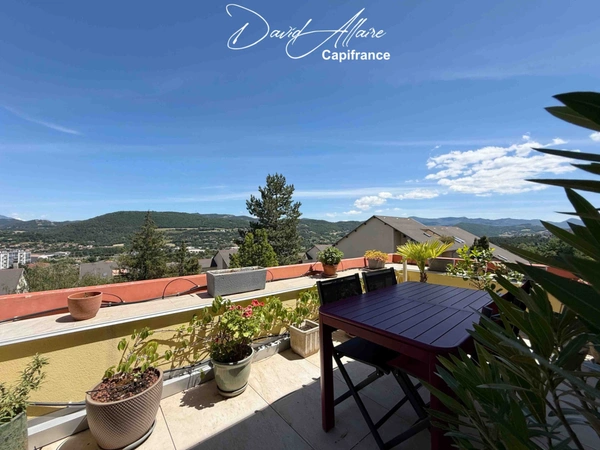
- 1 br
- 95 m²
- 2 bedrooms

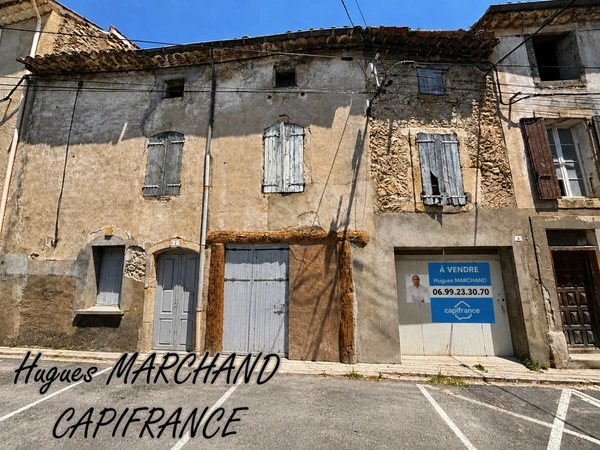
- 1 br
- 87 m²
- 2 bedrooms

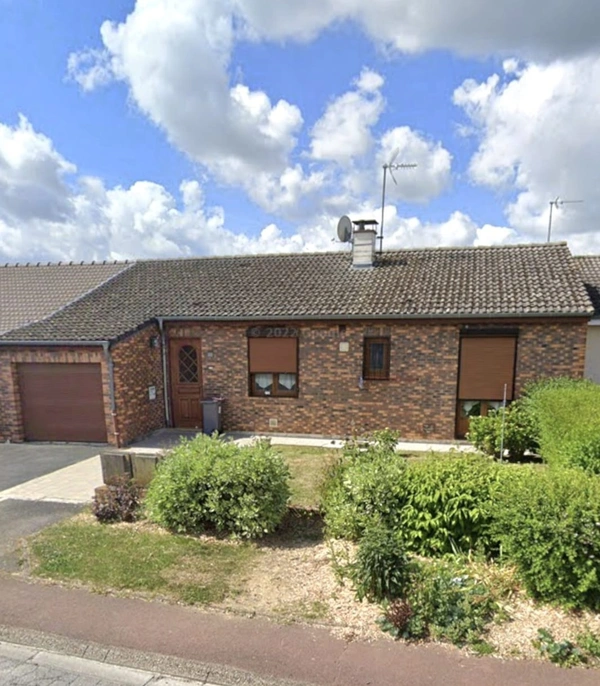
- 1 br
- 110 m²
- 3 bedrooms

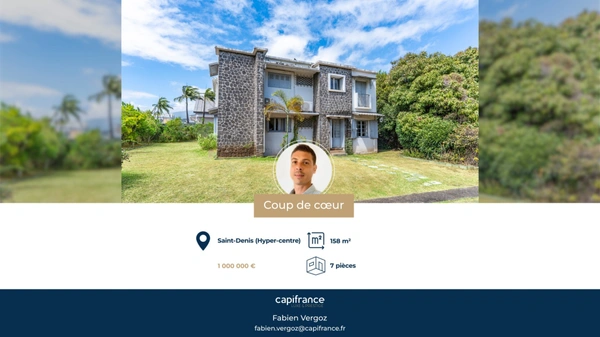
- 2 br
- 158 m²
- 5 bedrooms

- 3 br
- 196 m²
- 5 bedrooms


- 1 br
- 76 m²
- 3 bedrooms





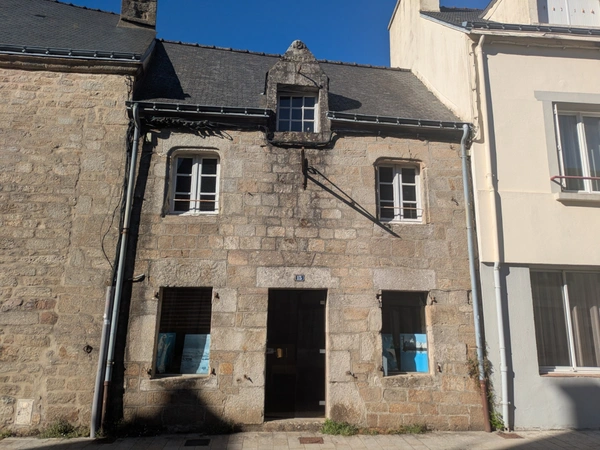
- 1 br
- 100 m²
- 1 bedrooms

- 50 m²












Your real estate purchase in France with a Capifrance advisor

To explore further in your search for a property
Achat in France
By market
By department
- Hérault : 797 ads
- Charente-Maritime : 787 ads
- Haute-Savoie : 683 ads
- Finistère : 669 ads
- Gironde : 633 ads
- Rhône : 630 ads
- Bouches-du-Rhône : 582 ads
- Saône-et-Loire : 579 ads
- Lot-et-Garonne : 549 ads
- Guadeloupe : 530 ads
- See more
- Haute-Garonne : 447 ads
- Savoie : 423 ads
- Vendée : 423 ads
- Gard : 410 ads
- Nord : 406 ads
- Ain : 403 ads
- Yvelines : 377 ads
- Côte-d'Or : 372 ads
- Isère : 350 ads
- Hautes-Pyrénées : 350 ads
- Seine-Maritime : 345 ads
- Essonne : 345 ads
- Pyrénées-Orientales : 344 ads
- Hauts-de-Seine : 343 ads
- Dordogne : 317 ads
- Var : 315 ads
- Loire-Atlantique : 306 ads
- Gers : 304 ads
- Maine-et-Loire : 290 ads
- Alpes-Maritimes : 289 ads
- Morbihan : 285 ads
- Val-d'Oise : 270 ads
- Seine-Saint-Denis : 268 ads
- Ille-et-Vilaine : 253 ads
- Sarthe : 239 ads
- Deux-Sèvres : 239 ads
- Calvados : 238 ads
- Pyrénées-Atlantiques : 231 ads
- Moselle : 227 ads
- Loiret : 225 ads
- Val-de-Marne : 220 ads
- Seine-et-Marne : 218 ads
- Paris : 214 ads
- Indre-et-Loire : 210 ads
- Hautes-Alpes : 208 ads
- Landes : 208 ads
- Aude : 206 ads
- Guyane : 192 ads
- Puy-de-Dôme : 190 ads
- Charente : 184 ads
- Haute-Corse : 180 ads
- Vienne : 180 ads
- Loire : 179 ads
- Jura : 174 ads
- Eure-et-Loir : 168 ads
- Allier : 165 ads
- Pas-de-Calais : 164 ads
- Yonne : 161 ads
- Vaucluse : 159 ads
- Aisne : 152 ads
- Côtes-d'Armor : 152 ads
- Martinique : 151 ads
- Marne : 146 ads
- Meurthe-et-Moselle : 140 ads
- Corse-du-Sud : 139 ads
- La Réunion : 129 ads
- Nièvre : 126 ads
- Cher : 112 ads
- Alpes-de-Haute-Provence : 110 ads
- Oise : 110 ads
- Loir-et-Cher : 105 ads
- Orne : 105 ads
- Vosges : 104 ads
- Bas-Rhin : 103 ads
- Manche : 102 ads
- Drôme : 100 ads
- Tarn-et-Garonne : 94 ads
- Ardèche : 91 ads
- Mayenne : 89 ads
- Eure : 86 ads
- Haut-Rhin : 79 ads
- Tarn : 75 ads
- Doubs : 74 ads
- Indre : 55 ads
- Lot : 54 ads
- Haute-Saône : 48 ads
- Corrèze : 44 ads
- Somme : 44 ads
- Cantal : 42 ads
- Territoire de Belfort : 40 ads
- Saint-Martin : 38 ads
- Ardennes : 35 ads
- Meuse : 30 ads
- Ariège : 23 ads
- Creuse : 23 ads
- Aube : 22 ads
- Haute-Vienne : 20 ads
- Aveyron : 17 ads
- Haute-Marne : 16 ads
- Haute-Loire : 12 ads
- Lozère : 8 ads
- Saint-Barthélemy : 6 ads
- Mayotte : 1 ads
Top cities
- 233 ads in Toulouse
- 103 ads in Orléans
- 94 ads in Lourdes
- 93 ads in La Rochelle
- 91 ads in Nice
- 91 ads in Tarbes
- 90 ads in Aix-en-Provence
- 90 ads in Rennes
- 85 ads in Angers
- 82 ads in Paris
- See more
- 80 ads in Le Havre
- 206 ads in Bordeaux
- 79 ads in Lille
- 79 ads in Chalon-sur-Saône
- 76 ads in Sainte-Anne
- 75 ads in Annemasse
- 74 ads in Tours
- 73 ads in Agde
- 73 ads in Béziers
- 73 ads in Villeneuve-sur-Lot
- 71 ads in Brest
- 71 ads in Agen
- 201 ads in Montpellier
- 70 ads in Châtellerault
- 70 ads in Aix-les-Bains
- 68 ads in Rouen
- 68 ads in Grenoble
- 68 ads in Perpignan
- 68 ads in Narbonne
- 65 ads in Reims



Become a business introducer
and receive 10% of the fees

Selling in life annuity involves "alienating all or part of one's real estate capital" in exchange for the payment of a life annuity for the entire duration of the seller's life.
The debtor is the person who pays this annuity. In the case of an occupied life annuity, they will obtain full ownership upon the death of the annuitant and their spouse. However, for a free life annuity, they acquire full ownership immediately.
The annuitant is the person who receives the annuity. They can retain the right of use and habitation.
Legal guarantees: Financial completion guarantee, apparent defects guarantee, perfect completion guarantee, two-year guarantee, and ten-year guarantee.
Energy performance: RT2012 and RE2020
Accessibility to housing: disability standards, elevator, etc.
Standards: thermal, acoustic, etc.
A customizable home: modification works (bathtub, electrical outlet) and/or interior fittings such as tiling, painting, bathroom furniture, etc.
Reduced notary fees: approximately 3% vs. 7 to 8% for older properties
State aid: Zero-interest loan, Pinel scheme, etc.
Total or partial exemption from property tax: for the two years following the construction
Reduced VAT: Possibility of buying properties in ANRU zones and benefiting from a 5.5% VAT under certain income conditions.
A free online property valuation can be completed in one minute using the Capifrance valuation tool, based on current data from your local real estate market. Simply enter the french property address, surface area, type (house or apartment), and key features such as the number of rooms, year of construction, and other specific characteristics. This first estimate provides a reliable price range before refining the valuation with a real estate advisor.
To estimate the value of your property, you can consult a real estate advisor who will perform an evaluation based on criteria such as location, size, general condition of the property, nearby amenities, and recent sale prices in your area. You can also use our estimation tool to get an initial idea of how much your property is worth.
If you wish to delegate the management of your rental property, your Capifrance advisor can help you subscribe to a mandate with our specialized service at the headquarters. A dedicated team will handle all aspects of your rental and will become your main contact for relations with the tenant.
To obtain a mortgage, it is necessary to compile a loan application file with a bank or a credit institution. The conditions for granting a loan generally include a personal contribution, job stability, a reasonable debt-to-income ratio, and a good repayment capacity. It is advisable to compare offers from different institutions to get the best terms.
The evaluation of the price of a luxury property can be a complex process, often requiring the expertise of a real estate agent specialized in this field.
Location: Location is usually the most crucial factor. Properties located in prestigious areas or popular tourist cities often have higher values.
Property features: The size, quality of construction, age, architectural style, and outdoor amenities can greatly influence the property's value.
View and environment: Properties offering panoramic views of the ocean, mountains, or city, as well as those situated in quiet and peaceful environments, tend to have higher values.
Local real estate market: The state of the local real estate market, including price fluctuations, demand for luxury properties, and current trends, can also impact the value of a property.
Property history: The history, including renovations and previous owners, can also influence the property's value.
Investing in commercial properties can offer several attractive advantages for investors. Here are some reasons why this type of investment can be appealing:
High returns
Tenant stability: Businesses tend to sign long-term leases (often between 3 and 9 years). This provides stable rental income over the long term and reduces the risk of vacancy.
Property appreciation: Commercial properties can increase in value over time, especially if they are located in developing areas or thriving business districts.
Diversification opportunities: Investing in commercial properties allows for the diversification of an investment portfolio. This helps reduce risks by spreading investments across different types of real estate assets (offices, retail spaces, warehouses, etc.).
Less daily management: Compared to managing residential properties, commercial properties require less daily management. Tenant businesses are generally responsible for routine maintenance.
For the seller:
The beneficiary is guaranteed to receive an indexed annuity throughout their lifetime, regardless of its duration. This security is particularly valuable as life expectancy continues to increase. The annuitant will not have to bear the cost of major repairs, and property taxes will be paid on their behalf. The life annuity is revalued, and the annuity rate is fixed at the time of its constitution.
For the buyer:
The buyer acquires the property at a significantly lower price than a freehold property. They only pay the deed and notary fees on a portion of the price. They do not receive rents that would increase their income tax liability. The appeal of such a purchase lies in the fact that it can be paid directly, without resorting to a loan that generates interest and additional costs in terms of life and disability insurance.
A house valuation takes into account specific criteria such as land size, exposure, outbuildings (garage, swimming pool, garden), and extension potential. For an apartment valuation, other elements become essential: floor level, presence of an elevator, co-ownership charges, condition of common areas, and view. In both cases, the local real estate market remains a decisive factor.
The necessary documents to sell your property include: the title deed, technical diagnostics (energy performance certificate, asbestos, lead, etc.), the co-ownership file (if applicable), the latest property tax notices, and the co-ownership regulations. Other documents may be required depending on the specifics of your property.
In addition to the purchase price of the property, several additional costs should be anticipated, such as notary fees (approximately 7 to 8% of the sale price for an older property), agent fees, loan application fees, insurance, as well as potential renovation or furnishing costs.
The criteria that define a luxury property vary according to the preferences and expectations of individuals. However, certain features are generally associated with this type of property:
Location: A luxury property is often situated in a prestigious and sought-after area, such as an upscale residential neighborhood or a world-renowned tourist destination.
Design and architecture: Luxury properties stand out for their exceptional design and architecture, with high-quality finishes, noble materials, and meticulous attention to detail.
Amenities and facilities: These properties are often equipped with high-end amenities, such as an indoor or outdoor pool, a spa, a home cinema, and a sophisticated security system.
Size and space: Luxury properties are generally larger than standard properties, offering generous living spaces and often breathtaking views of the surroundings.
Prestige and exclusivity: A luxury property is distinguished by its exclusivity and prestige, often featuring unique and incomparable characteristics.
History and character: Properties with a particular history or cultural significance can have added value and increased prestige.
Concierge services: Many luxury properties offer concierge services for residents, such as restaurant reservations, dry cleaning services, and travel bookings.
Technology and home automation: These properties are often equipped with advanced home automation systems and cutting-edge technologies for the security, energy efficiency, and comfort of the occupants.
For residential properties, rental fees paid by the tenant are capped according to the Alur law: €8, €10, or €12 per square meter of living space depending on the zone (non-tense, tense, very tense). The fees for the inventory of fixtures are capped at €3 per square meter. The Alur law stipulates that the tenant should not pay more in fees than the landlord. Therefore, the same caps apply to the fees owed by the landlord, in addition to intermediary fees.
There is no tacit renewal. The tenant must request the renewal of the lease 6 months before the lease's expiration. This request cannot be refused.
In the case of tacit extension, the conditions of the initial lease continue to apply, but the parties can terminate the lease at any time, subject to a notice period. The terms of the lease (rent, charges, etc.) continue to apply. If the lease duration exceeds 12 years, the landlord can uncap the rent (i.e., the rent will be set at the market rental value commonly practiced in the vicinity).
First-time homebuyers can benefit from the zero-interest loan (PTZ) under certain income conditions.
First-time homebuyers refer to households that have not owned their primary residence in the two years preceding the loan offer and whose income does not exceed the established ceiling.
The assessment of income is based on the reference taxable income from the year N-2 of all the individuals intended to occupy the property.
The amounts of the PTZ and the income limits vary depending on the location of the property (Zone A, B, or C).
Valuing a business requires a comprehensive approach, taking into account the financial, commercial, material, and immaterial aspects of the company. Consulting a specialist in business valuation can also help to obtain an accurate and professional estimate.
Subscribing to a Rent Guarantee Insurance (RGI) can be very beneficial for several reasons:
Financial protection: RGI insures the landlord against the risk of unpaid rent, ensuring a stable rental income even if the tenant defaults.
Legal fees: In the event of a dispute with a tenant, RGI covers legal and procedural costs to recover unpaid rent or proceed with an eviction.
Property damage: Some insurance policies include coverage for material damage caused by the tenant to the property.
Income security: It provides peace of mind to the landlord by ensuring a regular income, which is essential for those who rely on rent to repay a mortgage, for example.
Tenant selection: Insurance companies often conduct a rigorous assessment of the tenant's solvency, which can help in selecting reliable tenants.
A real estate advisor specialized in luxury properties possesses an in-depth knowledge of the high-end market and a network of privileged contacts. They offer personalized service, expert advice, and absolute discretion. They can also access exclusive properties not publicly listed and negotiate effectively to secure the best terms for buying or selling.
To estimate a french property at the right price, it is necessary to analyze recent sales of comparable properties in the municipality, price trends in the neighborhood, the property’s features, and local demand. An overestimated price can slow down the sale, while an undervalued price can lead to financial loss. Support from a real estate advisor helps obtain a consistent and well-supported valuation. After a visit and an in-depth analysis of your property, your Capifrance advisor will provide a complete and personalized value opinion with a precise and reasoned estimate.
The difference between a sales agreement and a sales promise lies mainly in the commitment of the parties and the consequences in case of non-compliance with the terms of the contract.
Sales agreement: Strong mutual commitment between both parties. If one party withdraws, the other can demand the forced execution of the property sale.
Sales promise: Unilateral commitment from the seller. The buyer has the option to purchase or not, with a reservation fee in case of non-purchase.
Free life annuity:
The debtor (buyer) immediately obtains full enjoyment of the property upon signing the contract. They can live in it, rent it out, or use it as they wish. The sale price is generally higher than that of an occupied life annuity because the buyer benefits from the property immediately.
Occupied life annuity:
The annuitant (seller) retains the right of use and habitation of the property until their death, and sometimes until the death of their spouse. Therefore, the buyer does not have immediate use of the property. The sale price is often lower than that of a free life annuity because the buyer must wait until the end of the right of use and habitation to be able to use the property.
Searching for a property that meets your needs (get assistance from a specialized advisor from Capifrance)
Signing a reservation contract detailing the property (size, location, description), price, delivery date, etc. The buyer pays a deposit to the developer into an escrow account.
Financing the purchase with a loan and signing the loan offer
Signing the deed of sale at the notary's office, including all information about the property, the price and payment terms, the delivery date, and the guarantees.
Customizing the property and selecting materials in agreement with the developer (modification works).
Delivery of the property, allowing for the identification of any defects, which are addressed within a month following delivery by the companies involved in the construction.
The main costs include real estate agency fees (between 3% and 8% of the sale price), notary fees, potential costs of property diagnostics, and capital gains tax (if applicable). It is important to accurately estimate these costs to avoid any surprises.
RE2020 is the new energy and environmental regulation for all new construction. The developer commits to a certain level of building energy consumption and greenhouse gas emissions.
The aim is to design and build the future living spaces for the French population while pursuing three major objectives set by the government:
An objective of energy efficiency and energy decarbonization;
A reduction in the carbon footprint;
Ensuring comfort in case of extreme heat.
An online valuation is an excellent first step for understanding a property’s potential value with a realistic initial price range. However, an on-site visit makes it possible to significantly refine the analysis by taking into account criteria that cannot be measured automatically: brightness, quality of materials, actual condition, possible nuisances, value-enhancement potential, and many other features specific to the house or apartment. The two methods are therefore complementary.
. Contact a Real Estate Advisor
Express your interest in the property for sale.
. Propose a Price and Purchase Conditions
Indicate the offered price and conditions (timeline, contingencies, etc.).
. Wait for the Seller's Response
The seller can accept, reject, or propose a counteroffer.
. Formalize the Sale
If the offer is accepted, sign a sales agreement and verify the legal documents.
Finalize your financing if necessary.
Sign the deed of sale at the notary's office to officially become the owner.
These steps will help you secure and successfully complete your real estate purchase.
Non-Occupant Landlord Insurance (PNO) is an insurance specifically designed for property owners who do not occupy their properties themselves, whether these properties are rented out, vacant, or used occasionally.
PNO insurance often complements the multi-risk home insurance taken out by the tenant and can be mandatory for co-owners depending on the condominium regulations. It offers extensive protection to the owner, whether it is to protect their investment or to guard against liabilities related to the property.
This guarantee applies for 10 years from the date of completion of the work. It protects against potential damages that could compromise the solidity of the construction and make it uninhabitable. Cracks, leaks, roofing problems, etc.: the builder is required to intervene if these damages are not due to normal wear and tear or poor maintenance of the dwelling.
Several criteria directly influence a property valuation: location, living area, overall condition, energy performance rating, features (land or outdoor space, garage, swimming pool, balcony, heating system, etc.), immediate surroundings, and local real estate market trends. Modern valuation tools now cross-reference thousands of data points to provide a more accurate and realistic estimate.
Carrying out a property valuation before listing allows you to define a realistic asking price adapted to the market. A property listed at the right price attracts more qualified buyers, reduces sale times, and limits major negotiations. This step is essential to optimize the visibility of your real estate listing and secure your sale project.
A property’s value changes according to many local market factors: demand levels, mortgage rates, neighborhood attractiveness, urban projects, rental pressure, demographic trends, local employment market, and proximity to services, shops, schools, and infrastructure. An updated valuation takes recent real estate market trends into account and helps adapt your sale or investment strategy.


