



New real estate development of 23 units in Hourtin (33990)
Description of this new development in Hourtin
À proximité
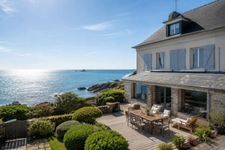
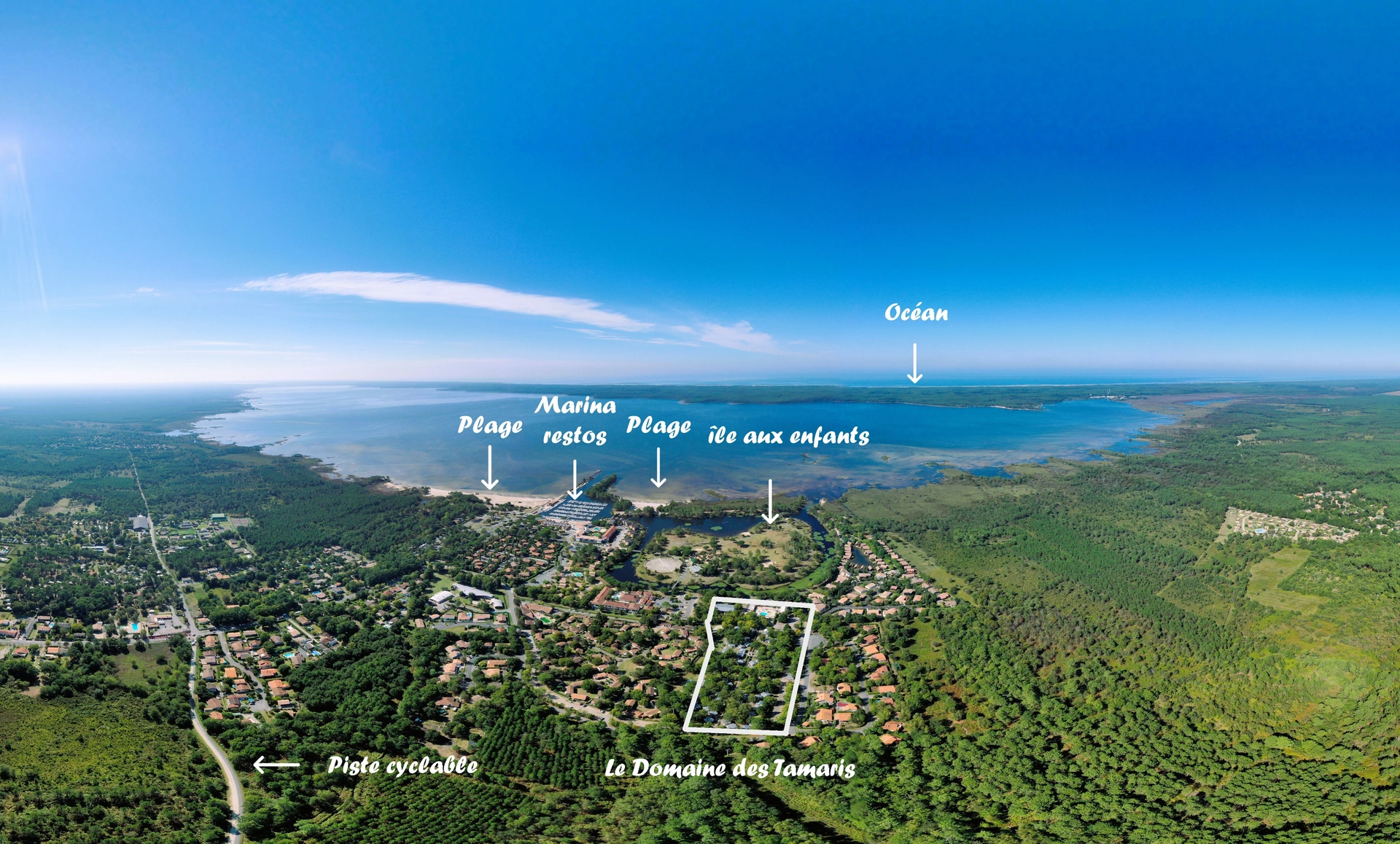
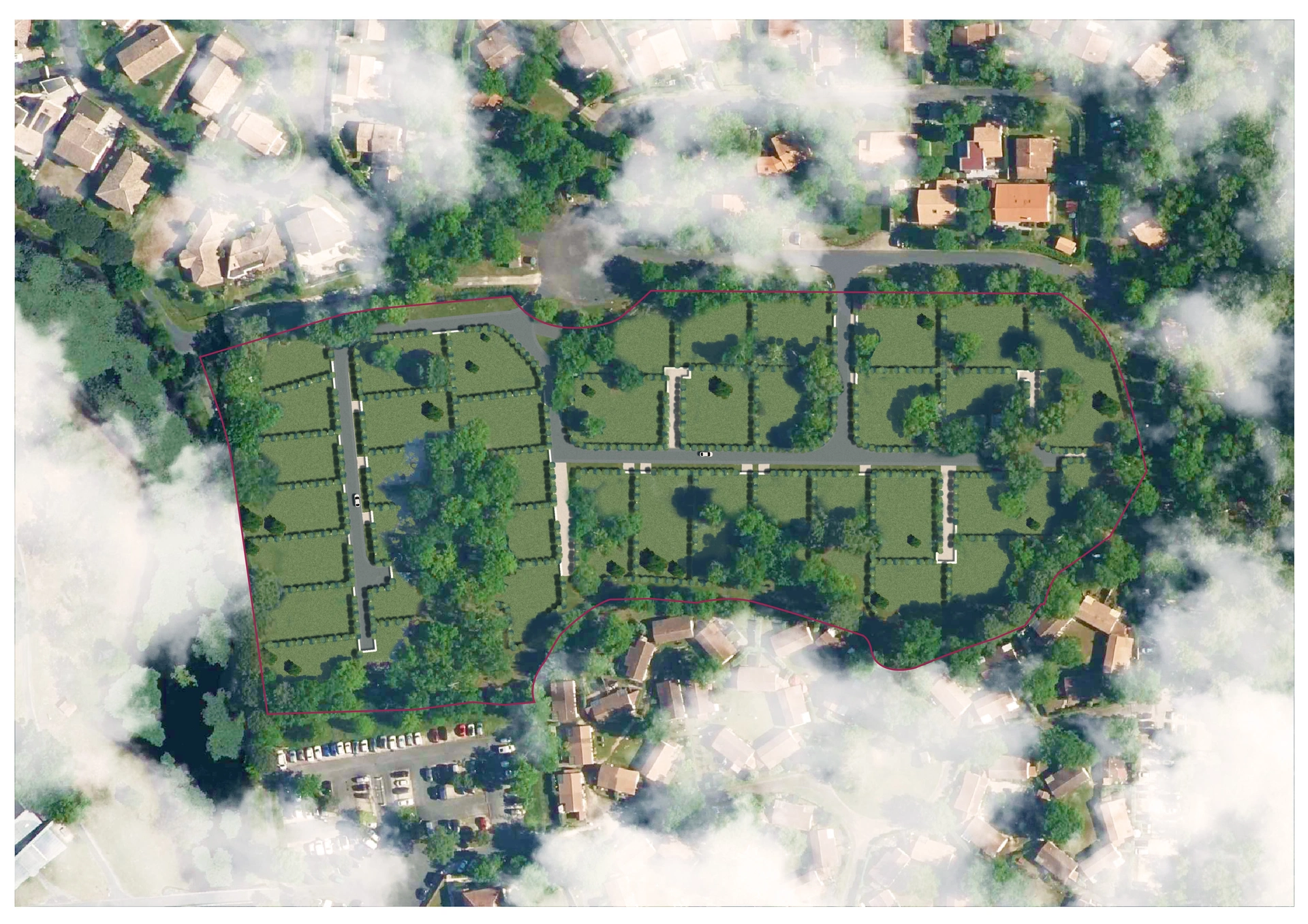
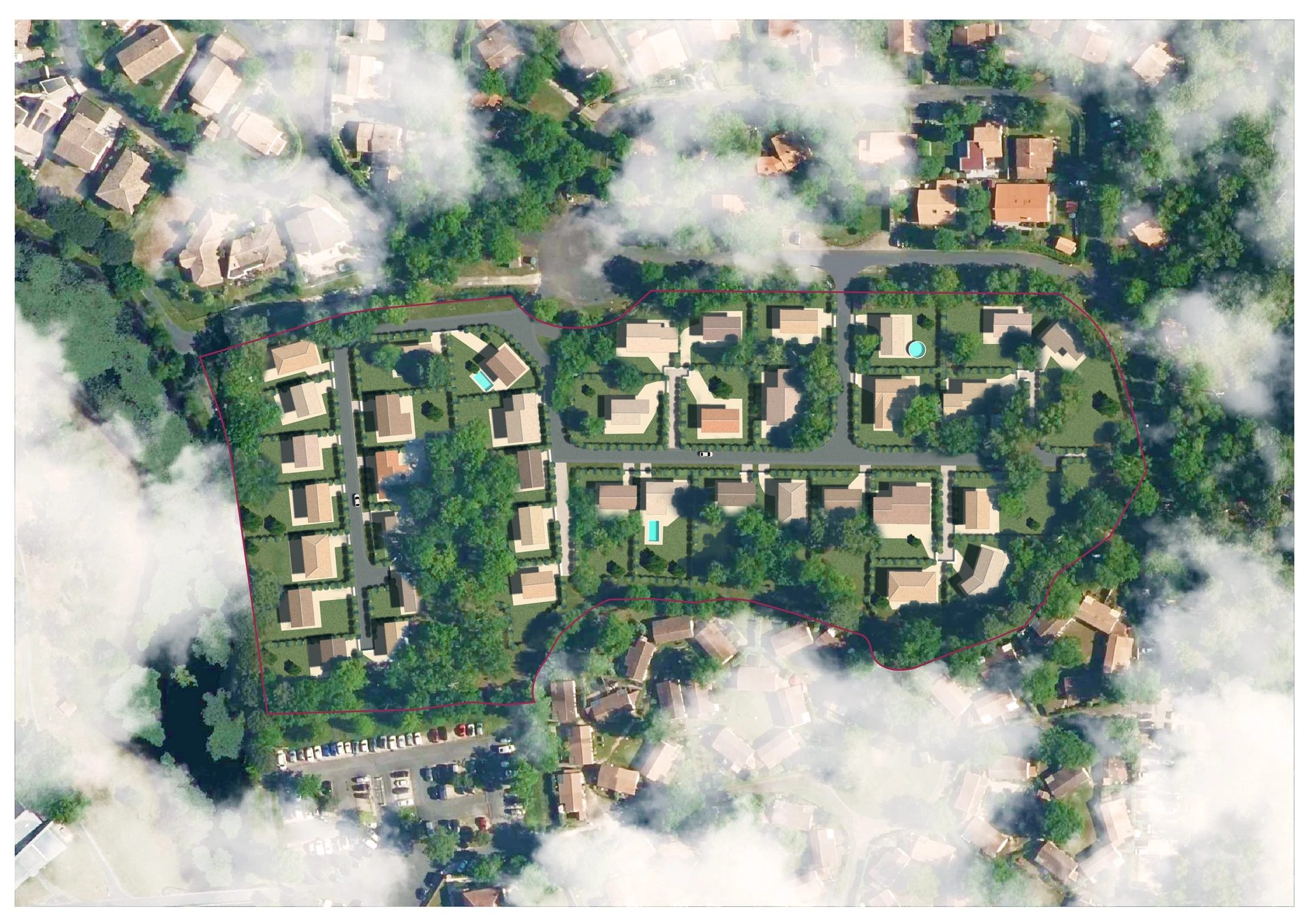
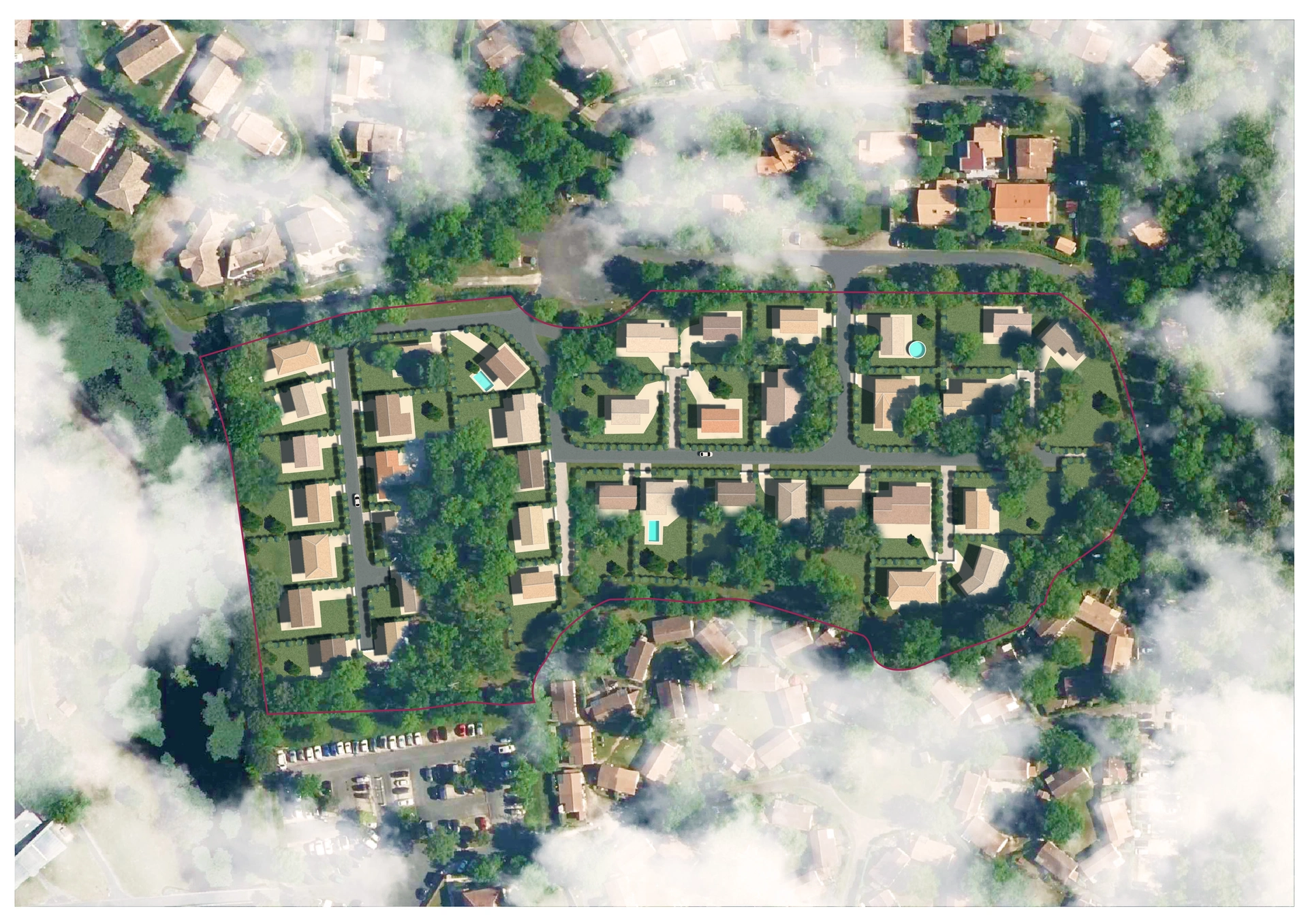
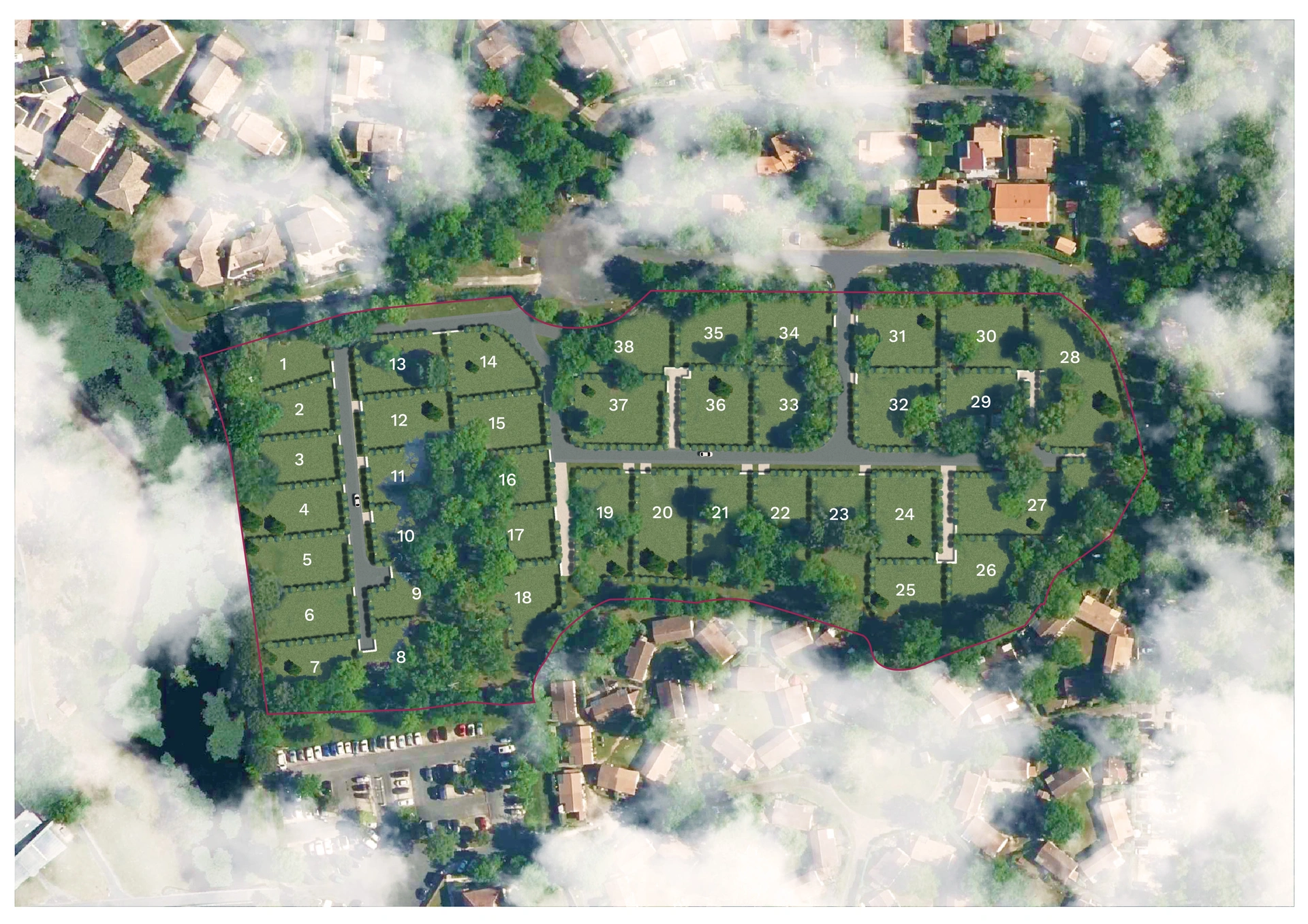
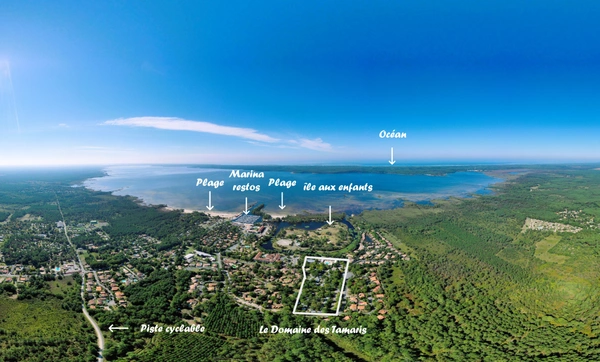
Situés à Hourtin, au cœur du secteur prisé d’Hourtin Port, découvrez des terrains à bâtir viabilisés, libres de constructeur, offrant des superficies généreuses comprises entre environ 500 et 1200m². Implanté rue des Mascottes, à proximité immédiate du lac d’Hourtin, le plus grand lac naturel de France. Ce nouveau lotissement s’inscrit dans un environnement calme, entre forêt, lac et espaces naturels préservés. À deux pas des équipements touristiques, de la base nautique, face à l’Île aux Enfants et des pistes cyclables, il bénéficie d’un cadre de vie privilégié, aussi bien pour une résidence principale que pour une résidence secondaire. Le projet accorde une place centrale à la nature : conservation des arbres existants, vastes espaces verts communs, corridors végétaux et intégration paysagère soignée garantissent une ambiance résidentielle calme et qualitative. Les terrains sont vendus prêts à bâtir, entièrement viabilisés, au sein d’un aménagement harmonieux pensé pour préserver l’identité littorale et forestière du site. Un lieu rare et recherché pour construire votre maison neuve à Hourtin, dans un environnement naturel d’exception, à quelques minutes du lac et de l’océan. TRANSPORTS : Centre-bourg d’Hourtin à environ 5 minutes en voiture Carcans à 10 minutes Lesparre-Médoc (gare TER) à environ 20 minutes Bordeaux à environ 1h10 en voiture Lignes de cars régionaux reliant Hourtin aux communes du Médoc et à Bordeaux
23 lots d'habitations disponibles
-
PriceSurface areaCharacteristics
-
Ground 524m2Floor : 0173 000€
-
173 000€524m2Floor : 0
-
Ground 524m2Floor : 0173 000€
-
173 000€524m2Floor : 0
-
Ground 524m2Floor : 0173 000€
-
173 000€524m2Floor : 0
-
Ground 532m2Floor : 0178 000€
-
178 000€532m2Floor : 0
-
Ground 540m2Floor : 0181 000€
-
181 000€540m2Floor : 0
-
Ground 540m2Floor : 0181 000€
-
181 000€540m2Floor : 0
-
Ground 542m2Floor : 0182 000€
-
182 000€542m2Floor : 0
-
Ground 543m2Floor : 0182 000€
-
182 000€543m2Floor : 0
-
Ground 554m2Floor : 0194 000€
-
194 000€554m2Floor : 0
-
Ground 615m2Floor : 0197 000€
-
197 000€615m2Floor : 0
-
Ground 565m2Floor : 0198 000€
-
198 000€565m2Floor : 0
-
Ground 587m2Floor : 0199 000€
-
199 000€587m2Floor : 0
-
Ground 600m2Floor : 0204 000€
-
204 000€600m2Floor : 0
-
Ground 602m2Floor : 0204 000€
-
204 000€602m2Floor : 0
-
Ground 678m2Floor : 0205 000€
-
205 000€678m2Floor : 0
-
Ground 1258m2Floor : 0209 000€
-
209 000€1258m2Floor : 0
-
Ground 659m2Floor : 0212 000€
-
212 000€659m2Floor : 0
-
Ground 664m2Floor : 0215 000€
-
215 000€664m2Floor : 0
-
Ground 692m2Floor : 0219 000€
-
219 000€692m2Floor : 0
-
Ground 1060m2Floor : 0219 000€
-
219 000€1060m2Floor : 0
-
Ground 683m2Floor : 0220 000€
-
220 000€683m2Floor : 0
-
Ground 711m2Floor : 0228 000€
-
228 000€711m2Floor : 0
-
Ground 737m2Floor : 0235 000€
-
235 000€737m2Floor : 0
Are you interested in this property? Contact us !

Legal guarantees: Financial completion guarantee, apparent defects guarantee, perfect completion guarantee, two-year guarantee, and ten-year guarantee.
Energy performance: RT2012 and RE2020
Accessibility to housing: disability standards, elevator, etc.
Standards: thermal, acoustic, etc.
A customizable home: modification works (bathtub, electrical outlet) and/or interior fittings such as tiling, painting, bathroom furniture, etc.
Reduced notary fees: approximately 3% vs. 7 to 8% for older properties
State aid: Zero-interest loan, Pinel scheme, etc.
Total or partial exemption from property tax: for the two years following the construction
Reduced VAT: Possibility of buying properties in ANRU zones and benefiting from a 5.5% VAT under certain income conditions.
First-time homebuyers can benefit from the zero-interest loan (PTZ) under certain income conditions.
First-time homebuyers refer to households that have not owned their primary residence in the two years preceding the loan offer and whose income does not exceed the established ceiling.
The assessment of income is based on the reference taxable income from the year N-2 of all the individuals intended to occupy the property.
The amounts of the PTZ and the income limits vary depending on the location of the property (Zone A, B, or C).
Searching for a property that meets your needs (get assistance from a specialized advisor from Capifrance)
Signing a reservation contract detailing the property (size, location, description), price, delivery date, etc. The buyer pays a deposit to the developer into an escrow account.
Financing the purchase with a loan and signing the loan offer
Signing the deed of sale at the notary's office, including all information about the property, the price and payment terms, the delivery date, and the guarantees.
Customizing the property and selecting materials in agreement with the developer (modification works).
Delivery of the property, allowing for the identification of any defects, which are addressed within a month following delivery by the companies involved in the construction.
RE2020 is the new energy and environmental regulation for all new construction. The developer commits to a certain level of building energy consumption and greenhouse gas emissions.
The aim is to design and build the future living spaces for the French population while pursuing three major objectives set by the government:
An objective of energy efficiency and energy decarbonization;
A reduction in the carbon footprint;
Ensuring comfort in case of extreme heat.
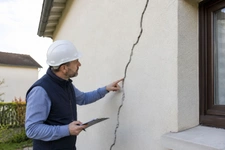
This guarantee applies for 10 years from the date of completion of the work. It protects against potential damages that could compromise the solidity of the construction and make it uninhabitable. Cracks, leaks, roofing problems, etc.: the builder is required to intervene if these damages are not due to normal wear and tear or poor maintenance of the dwelling.
Do you need advice for your real estate project? Contact a Capifrance advisor
