







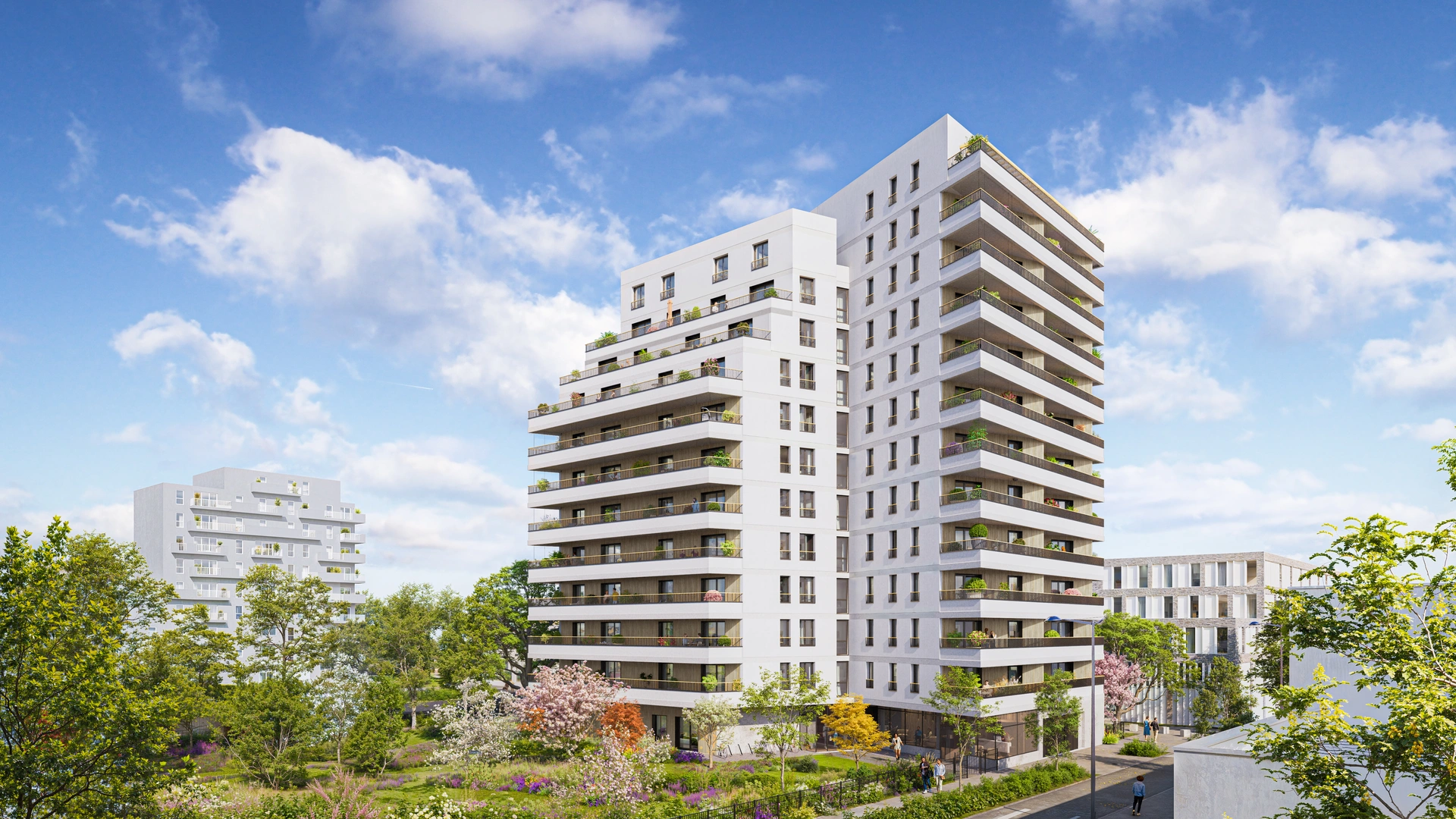
New real estate development of 39 units in Lyon (69007)
Description of this new development in Lyon
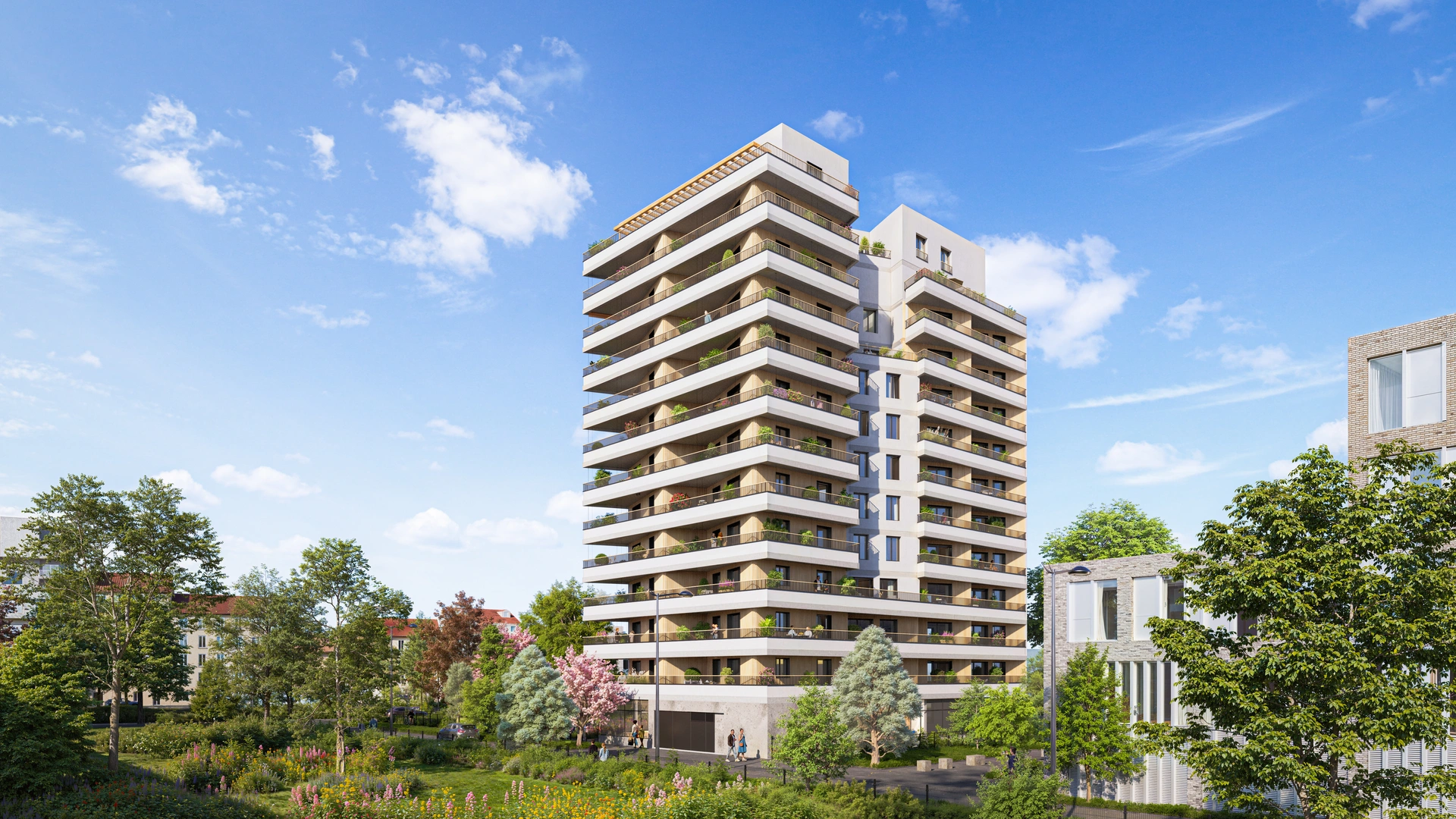
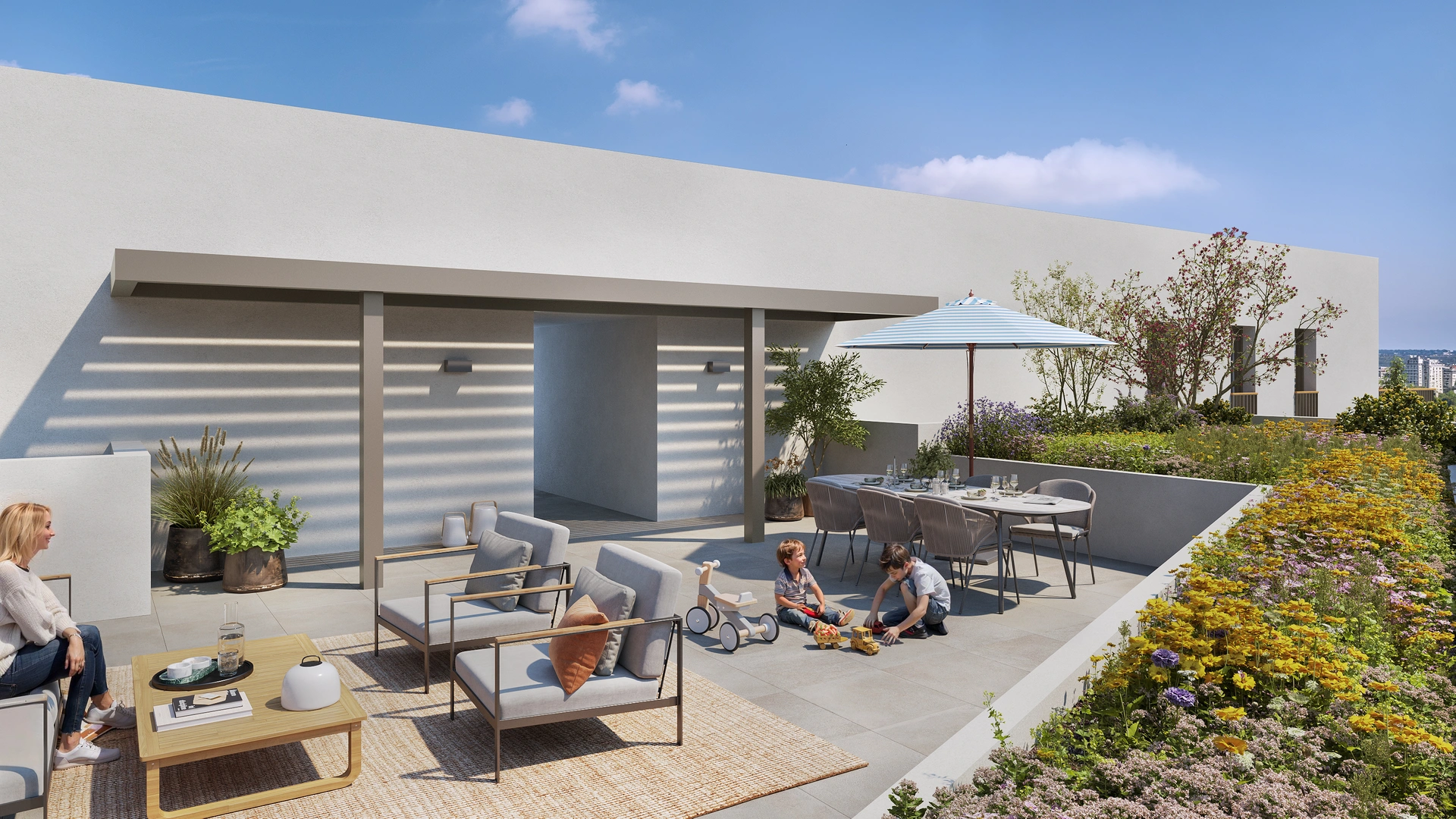
UN SIGNAL CONTEMPORAIN À la croisée de l’allée Christine Pascal et de la rue Françoise Sagan, Néo7 s’élève comme un signal fort, vert et contemporain, qui se détache en ligne de crête du quartier. Il offre un trait d’union entre la ville et le nouveau parc habité, à la fois fragmenté dans sa verticalité de 7 et 11 étages et offrant une unicité architecturale épurée, mariage de béton, de métal et de bois connecté à la nature environnante. Habitat urbain et bâti-jardin, la résidence a été guidée par une conception bioclimatique, proposant des logements multiorientés avec des séjours exposés au Sud et à l’Ouest permettant de maximiser l’entrée de la lumière et les apports énergétiques passifs. Du studio au 5 pièces, les logements se déclinent dans une grande variété de superficies, de plans (simplex et duplex), et de points de vue, offrent des extérieurs généreux tournés vers l’îlot paysager, l’allée plantée, la cour végétalisée… Le pied d’immeuble, aéré et ouvert sur de grands espaces, est animé par une mixité de lieux à usages résidentiels : abris à vélos, locaux à poussettes, accès aux stationnements. Néo7 dialogue avec la rue, les jardins, les espaces privatifs et partagés, comme un habitat qui a tout compris de ce que signifie « vivre-ensemble ». N'attendez plus, et prenez contact dès maintenant avec notre équipe commerciale pour plus d'information.
39 lots d'habitations disponibles
-
PriceSurface areaCharacteristics
-
Apartment 31m2Floor : 0205 000€
-
205 000€31m2Floor : 0
-
PriceSurface areaCharacteristics
-
Apartment 43m2Floor : 1265 000€
-
265 000€43m2Floor : 1
-
Apartment 44m2Floor : 4272 000€
-
272 000€44m2Floor : 4
-
Apartment 47m2Floor : 2275 000€
-
275 000€47m2Floor : 2
-
Apartment 44m2Floor : 5277 000€
-
277 000€44m2Floor : 5
-
Apartment 47m2Floor : 3280 000€
-
280 000€47m2Floor : 3
-
Apartment 44m2Floor : 6282 000€
-
282 000€44m2Floor : 6
-
Apartment 44m2Floor : 0285 000€
-
285 000€44m2Floor : 0
-
Apartment 47m2Floor : 4285 000€
-
285 000€47m2Floor : 4
-
Apartment 47m2Floor : 5290 000€
-
290 000€47m2Floor : 5
-
Apartment 47m2Floor : 4292 000€
-
292 000€47m2Floor : 4
-
Apartment 47m2Floor : 7300 000€
-
300 000€47m2Floor : 7
-
Apartment 47m2Floor : 8305 000€
-
305 000€47m2Floor : 8
-
Apartment 47m2Floor : 9310 000€
-
310 000€47m2Floor : 9
-
Apartment 46m2Floor : 9312 000€
-
312 000€46m2Floor : 9
-
Apartment 47m2Floor : 10315 000€
-
315 000€47m2Floor : 10
-
Apartment 47m2Floor : 11320 000€
-
320 000€47m2Floor : 11
-
PriceSurface areaCharacteristics
-
Apartment 60m2Floor : 1340 000€
-
340 000€60m2Floor : 1
-
Apartment 60m2Floor : 2345 000€
-
345 000€60m2Floor : 2
-
Apartment 62m2Floor : 1355 000€
-
355 000€62m2Floor : 1
-
Apartment 60m2Floor : 5360 000€
-
360 000€60m2Floor : 5
-
Apartment 62m2Floor : 3365 000€
-
365 000€62m2Floor : 3
-
Apartment 60m2Floor : 7370 000€
-
370 000€60m2Floor : 7
-
Apartment 60m2Parking Floor : 6385 000€
-
385 000€60m2Parking - Floor : 6
-
Apartment 60m2Parking Floor : 8395 000€
-
395 000€60m2Parking - Floor : 8
-
Apartment 60m2Parking Floor : 9400 000€
-
400 000€60m2Parking - Floor : 9
-
Apartment 62m2Parking Floor : 5401 000€
-
401 000€62m2Parking - Floor : 5
-
Apartment 60m2Parking Floor : 10405 000€
-
405 000€60m2Parking - Floor : 10
-
Apartment 62m2Parking Floor : 6406 000€
-
406 000€62m2Parking - Floor : 6
-
Apartment 62m2Parking Floor : 7411 000€
-
411 000€62m2Parking - Floor : 7
-
Apartment 65m2Parking Floor : 9437 000€
-
437 000€65m2Parking - Floor : 9
-
PriceSurface areaCharacteristics
-
Apartment 75m2Parking Floor : 9496 000€
-
496 000€75m2Parking - Floor : 9
-
Apartment 81m2Parking Floor : 3501 000€
-
501 000€81m2Parking - Floor : 3
-
Apartment 75m2Parking Floor : 10501 000€
-
501 000€75m2Parking - Floor : 10
-
Apartment 81m2Parking Floor : 4506 000€
-
506 000€81m2Parking - Floor : 4
-
Apartment 90m2Parking Floor : 11601 000€
-
601 000€90m2Parking - Floor : 11
-
PriceSurface areaCharacteristics
-
Apartment 96m2Parking Floor : 7596 000€
-
596 000€96m2Parking - Floor : 7
-
Apartment 96m2Parking Floor : 8601 000€
-
601 000€96m2Parking - Floor : 8
-
Apartment 103m2Parking Floor : 11716 000€
-
716 000€103m2Parking - Floor : 11
Are you interested in this property? Contact us !

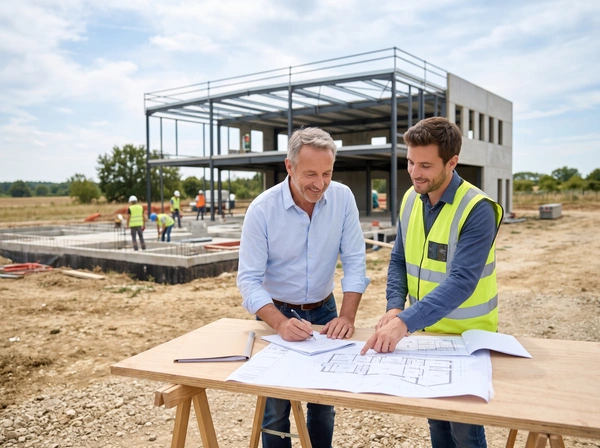

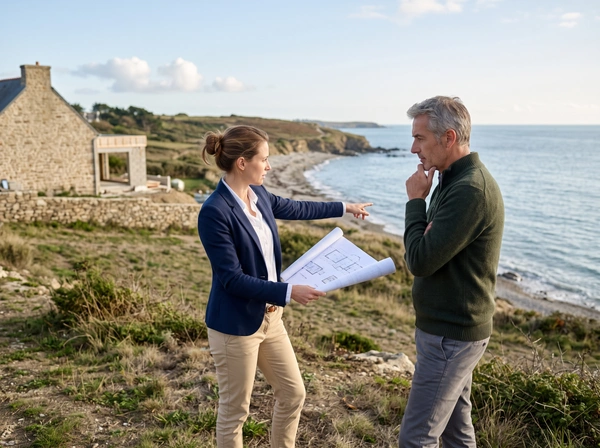



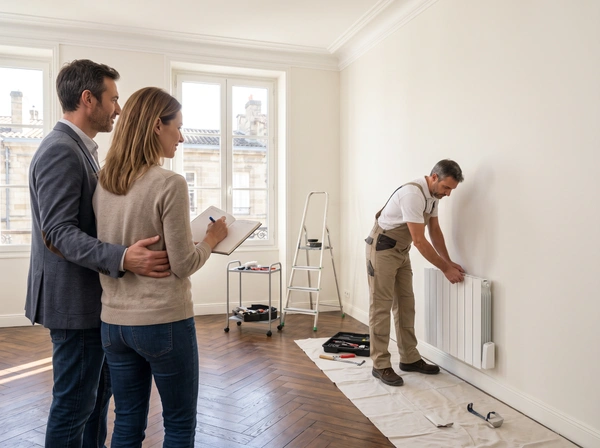
Legal guarantees: Financial completion guarantee, apparent defects guarantee, perfect completion guarantee, two-year guarantee, and ten-year guarantee.
Energy performance: RT2012 and RE2020
Accessibility to housing: disability standards, elevator, etc.
Standards: thermal, acoustic, etc.
A customizable home: modification works (bathtub, electrical outlet) and/or interior fittings such as tiling, painting, bathroom furniture, etc.
Reduced notary fees: approximately 3% vs. 7 to 8% for older properties
State aid: Zero-interest loan, Pinel scheme, etc.
Total or partial exemption from property tax: for the two years following the construction
Reduced VAT: Possibility of buying properties in ANRU zones and benefiting from a 5.5% VAT under certain income conditions.
First-time homebuyers can benefit from the zero-interest loan (PTZ) under certain income conditions.
First-time homebuyers refer to households that have not owned their primary residence in the two years preceding the loan offer and whose income does not exceed the established ceiling.
The assessment of income is based on the reference taxable income from the year N-2 of all the individuals intended to occupy the property.
The amounts of the PTZ and the income limits vary depending on the location of the property (Zone A, B, or C).
Searching for a property that meets your needs (get assistance from a specialized advisor from Capifrance)
Signing a reservation contract detailing the property (size, location, description), price, delivery date, etc. The buyer pays a deposit to the developer into an escrow account.
Financing the purchase with a loan and signing the loan offer
Signing the deed of sale at the notary's office, including all information about the property, the price and payment terms, the delivery date, and the guarantees.
Customizing the property and selecting materials in agreement with the developer (modification works).
Delivery of the property, allowing for the identification of any defects, which are addressed within a month following delivery by the companies involved in the construction.
RE2020 is the new energy and environmental regulation for all new construction. The developer commits to a certain level of building energy consumption and greenhouse gas emissions.
The aim is to design and build the future living spaces for the French population while pursuing three major objectives set by the government:
An objective of energy efficiency and energy decarbonization;
A reduction in the carbon footprint;
Ensuring comfort in case of extreme heat.
This guarantee applies for 10 years from the date of completion of the work. It protects against potential damages that could compromise the solidity of the construction and make it uninhabitable. Cracks, leaks, roofing problems, etc.: the builder is required to intervene if these damages are not due to normal wear and tear or poor maintenance of the dwelling.
Do you need advice for your real estate project? Contact a Capifrance advisor
