



New real estate development of 1 unit in Saint-Martin-de-Ré (17410)
Description of this new development in Saint-Martin-de-Ré
- Emplacement rare au coeur de l'île de Ré :
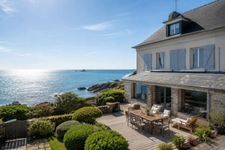
résidence idéalement placée au cœur de Saint-Martin-de-Ré, installée dans l'ancien "Palais des Gouverneurs" dans un grand parc privatif
située à seulement 250 m du port, des restaurants et commerces, et à 10 min à pied de la plage
la location de vélos proposée sur place permet de découvrir l'ile avec ses nombreuses pistes cyclables en partant de la résidence
dispose d'une architecture typiquement rétaise avec ses trois bâtiments blancs aux volets colorés
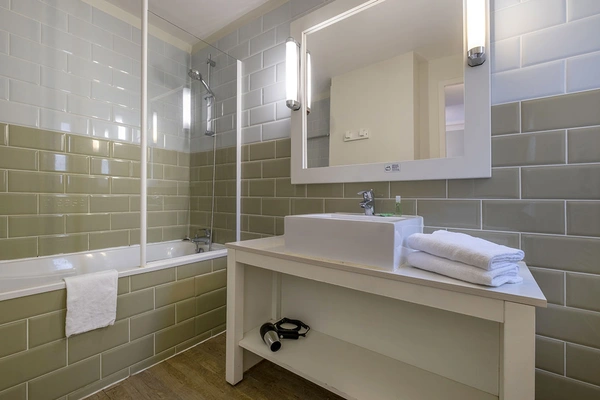
composée d'appartements du studio 2 personnes au 2 pièces 5 personnes, tous décorés de teintes douces
sa piscine semi-couverte et son solarium sont des atouts supplémentaires indéniables
résidence labellisée Clef Verte, 1er label international de tourisme responsable. Le label Clef Verte est doté de 119 critères certifiant l'engagement de l'exploitant de limiter son impact sur l’environnement et de promouvoir la richesse des destinations dans lesquelles il est situé
- Gestion et prix :
Votre locataire est Pierre & Vacances, gage d’une signature locative de qualité, N°1 en Europe
Résidence ouverte 300 jours / An
Un rendement locatif performant net de toute charge courante et d’impôt
Taux d’Occupation : plus de 70% en moyenne = pérennité locative assurée
Prix au m² de 5800 € VS 6800 € en moyenne sur le secteur (https://www.meilleursagents.com/prix-immobilier/saint-martin-de-re-17410/)
Appartement Rénové
Mobilier Neuf
Conclusion : cette résidence respecte tous les fondamentaux d'un patrimoine de grande qualité
1 lot d'habitation disponible
-
PriceSurface areaCharacteristics
-
Apartment 57m2Parking Floor : 0288 200€
-
288 200€57m2Parking - Floor : 0
Are you interested in this property? Contact us !

Legal guarantees: Financial completion guarantee, apparent defects guarantee, perfect completion guarantee, two-year guarantee, and ten-year guarantee.
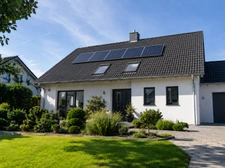
Energy performance: RT2012 and RE2020
Accessibility to housing: disability standards, elevator, etc.
Standards: thermal, acoustic, etc.
A customizable home: modification works (bathtub, electrical outlet) and/or interior fittings such as tiling, painting, bathroom furniture, etc.
Reduced notary fees: approximately 3% vs. 7 to 8% for older properties
State aid: Zero-interest loan, Pinel scheme, etc.
Total or partial exemption from property tax: for the two years following the construction
Reduced VAT: Possibility of buying properties in ANRU zones and benefiting from a 5.5% VAT under certain income conditions.
First-time homebuyers can benefit from the zero-interest loan (PTZ) under certain income conditions.
First-time homebuyers refer to households that have not owned their primary residence in the two years preceding the loan offer and whose income does not exceed the established ceiling.
The assessment of income is based on the reference taxable income from the year N-2 of all the individuals intended to occupy the property.
The amounts of the PTZ and the income limits vary depending on the location of the property (Zone A, B, or C).
Searching for a property that meets your needs (get assistance from a specialized advisor from Capifrance)
Signing a reservation contract detailing the property (size, location, description), price, delivery date, etc. The buyer pays a deposit to the developer into an escrow account.
Financing the purchase with a loan and signing the loan offer
Signing the deed of sale at the notary's office, including all information about the property, the price and payment terms, the delivery date, and the guarantees.
Customizing the property and selecting materials in agreement with the developer (modification works).
Delivery of the property, allowing for the identification of any defects, which are addressed within a month following delivery by the companies involved in the construction.
RE2020 is the new energy and environmental regulation for all new construction. The developer commits to a certain level of building energy consumption and greenhouse gas emissions.
The aim is to design and build the future living spaces for the French population while pursuing three major objectives set by the government:
An objective of energy efficiency and energy decarbonization;
A reduction in the carbon footprint;
Ensuring comfort in case of extreme heat.
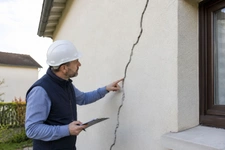
This guarantee applies for 10 years from the date of completion of the work. It protects against potential damages that could compromise the solidity of the construction and make it uninhabitable. Cracks, leaks, roofing problems, etc.: the builder is required to intervene if these damages are not due to normal wear and tear or poor maintenance of the dwelling.
Do you need advice for your real estate project? Contact a Capifrance advisor
