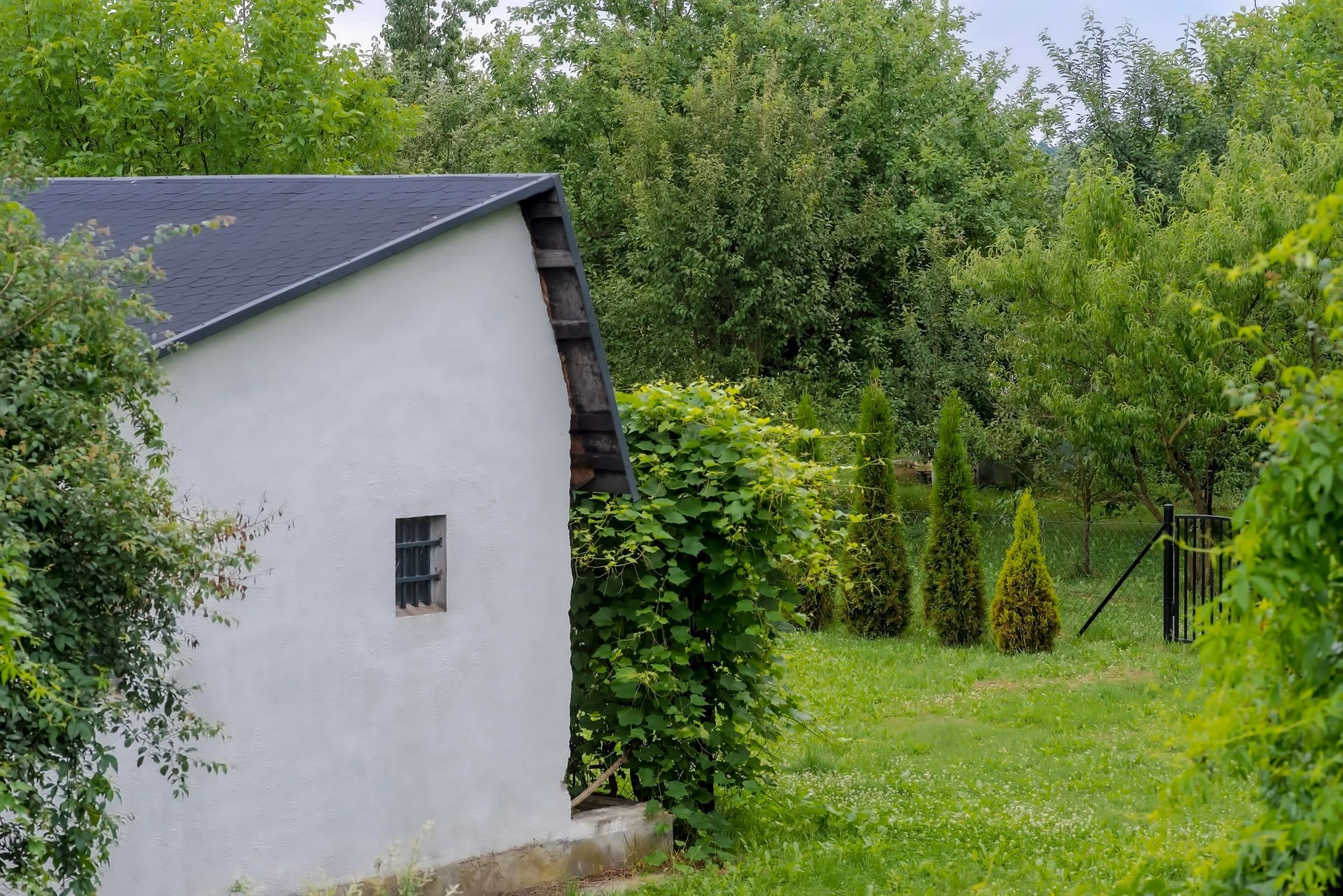










Are you wondering whether buying a house built by a private individual is a good opportunity for your real estate project?
Are you worried about technical, legal, or insurance risks when the construction was not carried out by a company or a professional?
This practical guide explains in detail how to secure a purchase when buying a house built by a private individual, comparing this choice with professionally built new homes.
We also cover the specific features of privately built houses, such as self-construction, full renovations, and extensions completed without a contractor.
Each section provides concrete advice: technical inspections, guarantees, contingency clauses, negotiation, and possible remedies in case of unpleasant surprises.
For answers to your specific situation and personalized local support to ensure the success of your real estate purchase, contact your Capifrance real estate advisor.
Understanding the Purchase of a House Built by a Private Individual: Differences and Specific Features in France
A house built by a private individual refers to a property whose construction was carried out by a non-professional owner. The project may involve full self-construction or the coordination of craftsmen directly hired by the owner.
This type of project often results in highly customized technical choices and finishes. It also allows direct communication between buyer and seller to understand the history of construction decisions.
Compared to a home delivered by a professional builder, the legal and insurance aspects differ. Some guarantees may be missing. “Dommages-ouvrage” insurance is sometimes absent. Producing documentation can be more complex.
In practice, quality varies widely. Some self-built homes are very well constructed. Others show defects due to the lack of a coordinated building process.
In any case, increased vigilance is required. You must multiply technical and administrative checks before purchasing.
Financing can also be more demanding. Banks often require technical assessments or a larger down payment if the insurance documentation is incomplete.
What Is a House Built by a Private Individual?
Self-construction refers to a situation where the owner carried out all or most of the work themselves. They may also have sought advice from craftsmen or received occasional professional help on specific tasks.
The private individual may also have overseen the project by coordinating several craftsmen, without necessarily appointing a single professional project manager.
The advantages include personalized finishes and sometimes optimized costs. Buyers may know exactly which materials were used and how the home was constructed.
However, the absence of a single professional point of contact can lead to holes in the documentation and construction defects. In such cases, invoices and insurance certificates are essential points of vigilance.
Key Differences Compared to a Professionally Built Home
A professional builder provides contractual guarantees such as the 10-year structural warranty, the one-year perfect completion guarantee, and often “dommages-ouvrage” insurance.
These protections ensure faster coverage of major defects.
For a house built by a private individual, a 10-year warranty applies only if the craftsmen involved are covered by insurance. The buyer must therefore obtain the necessary certificates.
If these documents are missing, coverage may be insufficient. The absence of “dommages-ouvrage” insurance complicates claims and slows down repairs.
Legally, the seller may be held liable for hidden defects. However, such procedures are long and costly. This is why it is essential to require a complete file before signing.
Essential Technical Checks Before Buying a House Built by a Private Individual
Before committing, inspect key technical elements: masonry, foundations, roof waterproofing, insulation, electrical systems, plumbing, and windows.
These determine construction quality and help estimate the renovation budget. Without technical expertise, structural cracks or water infiltration may go unnoticed.
Check secondary structures: garage, pool, outbuildings. Assess the land: drainage, slopes, basement humidity—these factors can cause heavy future costs.
The seller must provide the mandatory Technical Diagnostic File (DDT), which includes the energy performance diagnosis (DPE), asbestos, lead, termites, gas, and electricity.
Ask for invoices for materials and craftsmen’s interventions. These documents prove construction traceability and equipment quality.
An independent building expert is often the most profitable investment. Their report identifies hidden defects and provides negotiation leverage.
Administrative and Legal Documents to Check
Request essential administrative documents: building permit, declaration of completion and compliance (DAACT), or conformity certificate.
Ask for the cadastral map and information on easements. Review the local urban planning regulations.
Request invoices, insurance certificates from craftsmen (if available), and compliance certificates for electricity or gas.
Check tax declarations and construction cost records if the seller claims to have completed the work themselves. These documents influence capital gains calculations.
Lastly, obtain the natural and technological risk report (ERP) for the property.
Using an Independent Technical Expert
Hiring a building expert before signing is strongly recommended. Their report covers foundations, load-bearing walls, roofing, insulation, and technical systems.
The cost varies based on the scope of assessment but is quickly offset by the security it provides.
The expert quantifies necessary repairs, distinguishes superficial defects from major issues, and identifies potential hidden defects.
To secure the transaction, include a clause in the preliminary agreement allowing a post-signature inspection. Allow enough time for these checks.
Insurance, Guarantees, and Liabilities When Buying a House Built by a Private Individual
Insurance and guarantees determine the buyer’s financial protection after the sale.
Under French law, the seller may be considered a builder under Article 1792-1 of the Civil Code, meaning certain legal guarantees may apply.
The 10-year warranty covers structural defects affecting solidity or usability. Its validity depends on insurance taken out by the craftsmen.
“Dommages-ouvrage” insurance covers repairs upfront without waiting for a court decision. It is often missing in self-construction.
Without these protections, the buyer faces significant financial risks and may have difficulty obtaining a mortgage.
If guarantees are missing, the buyer may pursue legal action for hidden defects or contractual liability. These procedures require specialized legal advice.
Impact of Missing 10-Year Warranty and Dommages-Ouvrage Insurance
Without 10-year warranty certificates, the buyer assumes the financial risk of structural defects.
Without “dommages-ouvrage” insurance, major repairs typically require lengthy and costly legal action.
Banks may require a higher down payment or refuse financing altogether if insurance documentation is insufficient.
Use the expert’s report to quantify necessary repairs and negotiate a proportional price reduction.
The seller may still be held legally responsible, but success depends on available evidence and expert assessments.
Rights, Obligations, and Responsibilities of Buyer and Seller
The seller must disclose all work carried out and provide available documentation. They must declare any known defect or past damage.
The seller’s liability for hidden defects may be triggered after the sale, requiring repairs or compensation.
The buyer must carry out reasonable checks before purchasing. They should include protective contingency clauses.
In case of major defects, the buyer may rely on the 10-year warranty if the seller qualifies as a builder. Otherwise, legal action must be based on hidden defects or contractual liability.
Clear clauses should be inserted in the sales agreement and final deed. A skilled notary is essential to verify documentation and preserve the possibility of later legal action.
Common Types of Homes Built by Private Individuals
Private builders construct various types of houses: brick, concrete block, wooden houses, container homes, stone houses, and renovated older properties.
Each requires specific checks. Traditional masonry requires foundation and load-bearing wall inspections.
Wooden houses require attention to moisture protection, insulation, and material treatment.
Container homes require assessment of waterproofing, insulation, and anchoring. Stone houses may hide moisture issues or fungus.
For extensions built by private individuals, the 10-year warranty issue is often critical.
In all cases, adapt the technical inspection to the construction type and request supporting documents for each intervention.
New Traditional Homes and Alternative Builds
For a new house made of concrete blocks or bricks, check foundations, waterproofing, and compliance with utility connections.
For alternatives (timber frame, containers), request documents on energy performance and insulation.
Verify compliance with the thermal regulations in force at the time of construction. Bringing a home up to standard can be costly.
Older Homes Renovated by Private Individuals and Extensions
For fully renovated houses, request invoices, accepted quotations, and insurance certificates. Traceability of work is crucial.
For extensions built without an insured professional, be cautious about the structural connection between extension and main building.
A targeted expert assessment avoids costly surprises.
Price, Negotiation, and Securing the Purchase of a House Built by a Private Individual
Privately built homes influence the sale price. Sellers may ask less than for professionally built new properties. Buyers must factor in risks and potential work costs.
Start with a professional valuation that considers construction quality and available guarantees.
Expert reports and invoices support negotiation. Missing insurance documents or compliance issues are leverage points.
Include protective contingencies: loan approval, expert inspection, and verification of administrative documents.
The notary plays a key role, ensuring the file is compliant and recording necessary clauses—such as “sale without 10-year warranty,” if applicable.
Calculate additional costs: notary fees, extra diagnostics, and potential renovation work.
How to Set and Negotiate the Price
Estimate the price by combining market value, technical condition, and expert-estimated repair costs.
The price must reflect defects and the value added by customized features.
Use the expert report and missing documentation as negotiation leverage. Lack of insurance justifies a reduction.
Negotiation ranges often fall between 5% and 15%, depending on required work.
You may also negotiate a lower price in exchange for the seller completing certain repairs before the sale.
Contingency Clauses and the Role of the Notary
Essential clauses include: loan approval, satisfactory technical inspection, and verification of permits and compliance.
Add a clause for obtaining insurance when possible or for providing additional documents.
Choose an experienced notary who will draft appropriate clauses and ensure all disclosures are included.
Why Work With a Capifrance Real Estate Advisor?
A Capifrance advisor brings in-depth knowledge of the local market and experience with privately built homes. They know how to assess construction risks and missing guarantees.
They help gather required documents and recommend reliable experts. They negotiate based on objective elements.
Capifrance provides customized support throughout the transaction: valuation, listing, visits, expert coordination, and assistance up to the final deed.
For buyers and sellers, this support reduces risks, speeds up the process, and enhances property value.
Conclusion
Always check administrative documents: permits, DAACT, and insurance certificates.
Have a technical expert assess the home for potential defects and work costs.
Negotiate based on missing guarantees or insurance.
Include protective clauses in the sales agreement.
Adapt inspections to the construction type.
Rely on an experienced notary and legal guidance if needed.
Contact your Capifrance advisor for professional and secure support.
FAQ
What guarantees must a private seller provide?
They must provide any available 10-year warranty certificates, biennial guarantees, and perfect completion guarantees from craftsmen, along with the DDT and administrative documents.
Which diagnostics are mandatory?
The DDT includes the DPE, asbestos, lead, termites, gas, electricity, natural/technological risks, and sometimes fungus diagnostics.
What if there is no 10-year warranty?
Get a thorough technical inspection, negotiate the price accordingly, and check possible insurance or compensation options.
How to obtain all invoices and certificates?
Explain that documentation builds trust and speeds up the sale. Transparency benefits both parties.
What are the buyer’s remedies if defects are discovered?
If applicable, the 10-year warranty covers structural defects. Otherwise, the buyer may take legal action for hidden defects or contractual liability, supported by experts and lawyers.
Author :

Frédéric Rémy – Director of Commercial Performance
A real estate professional for several years within the Capifrance network, I would like to share with you some essential advice to help you succeed in your real estate project with the support of our advisors.