






New real estate development of 8 units in Anglet (64600)
Description of this new development in Anglet
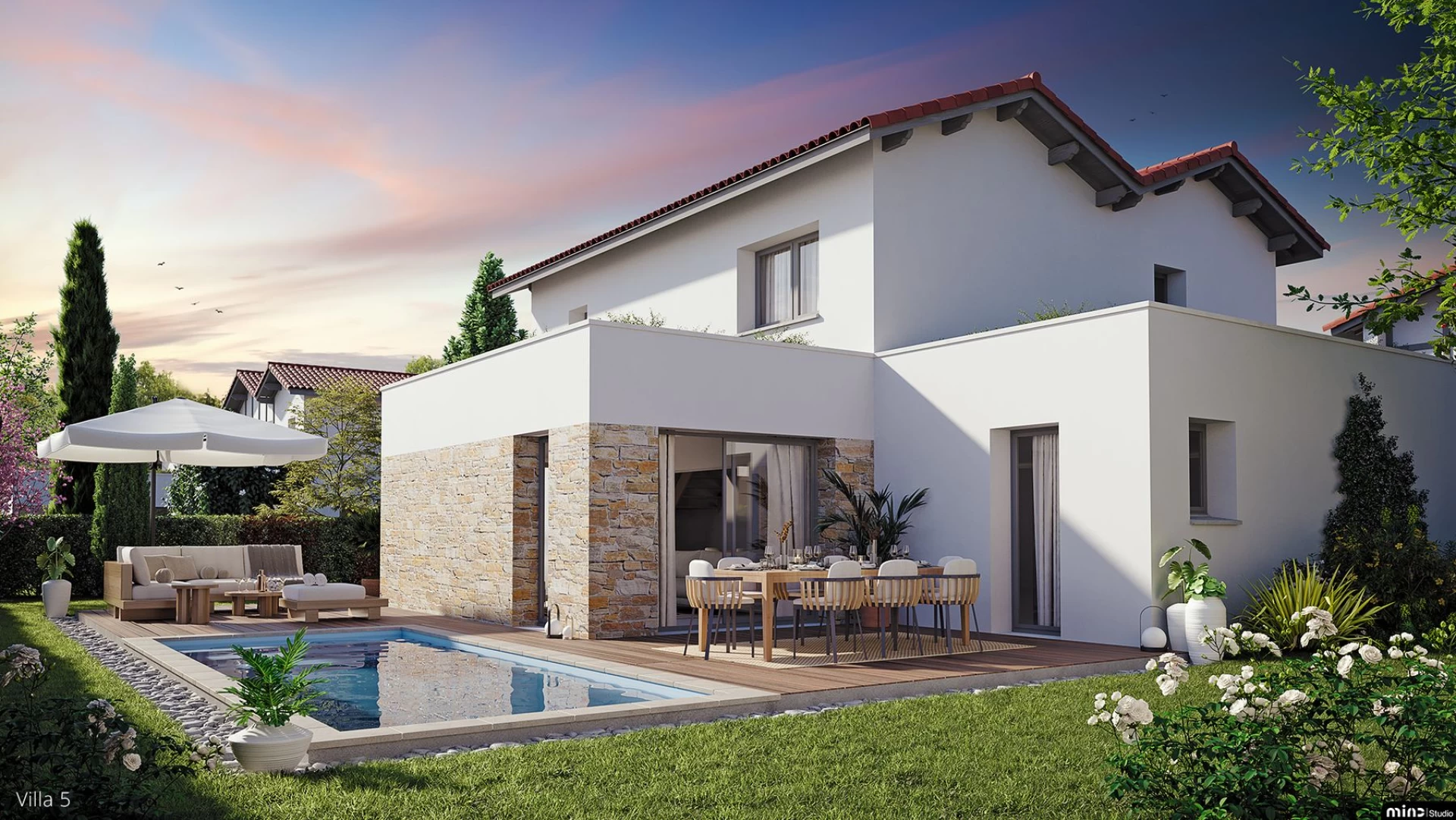
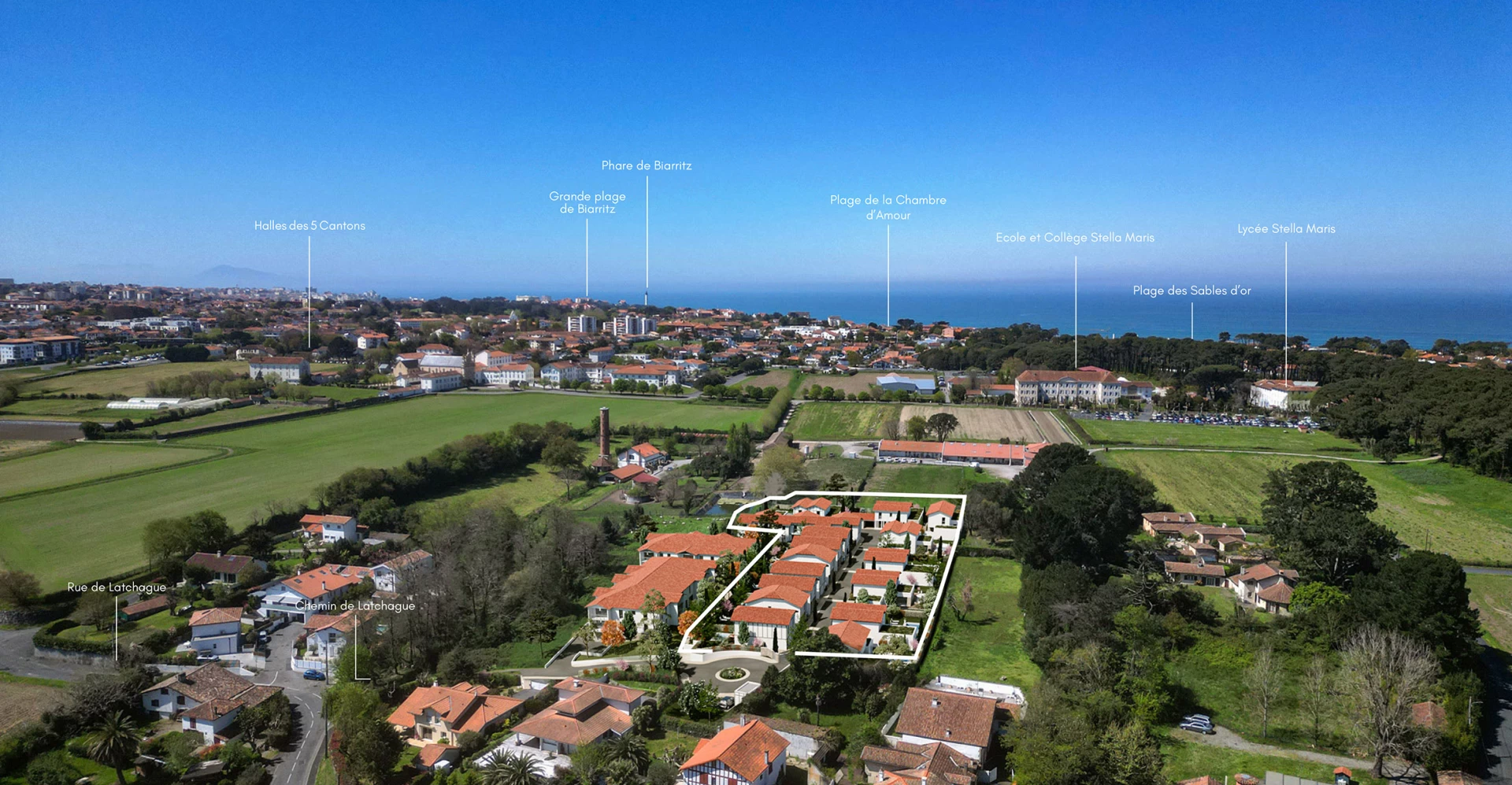
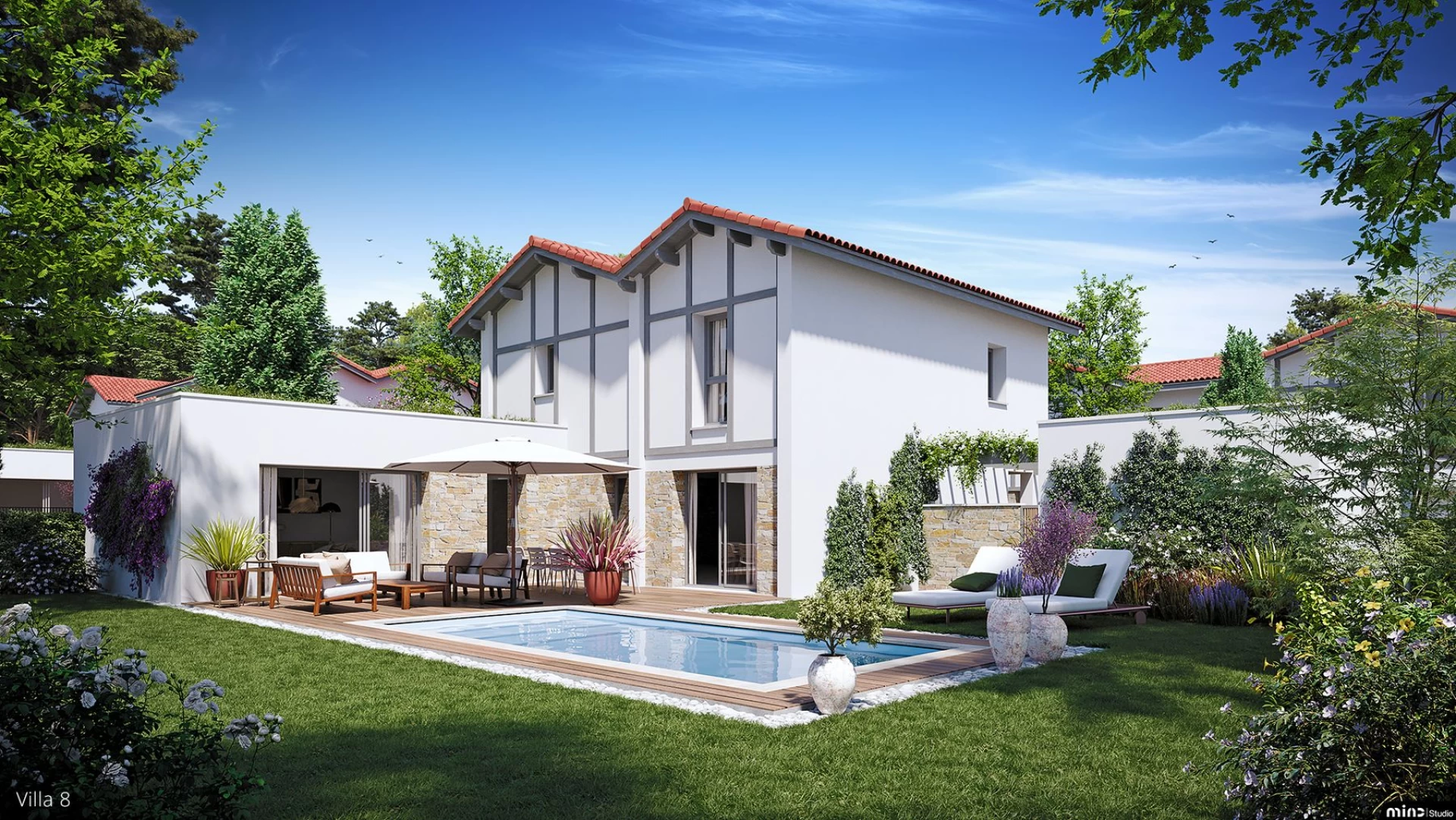
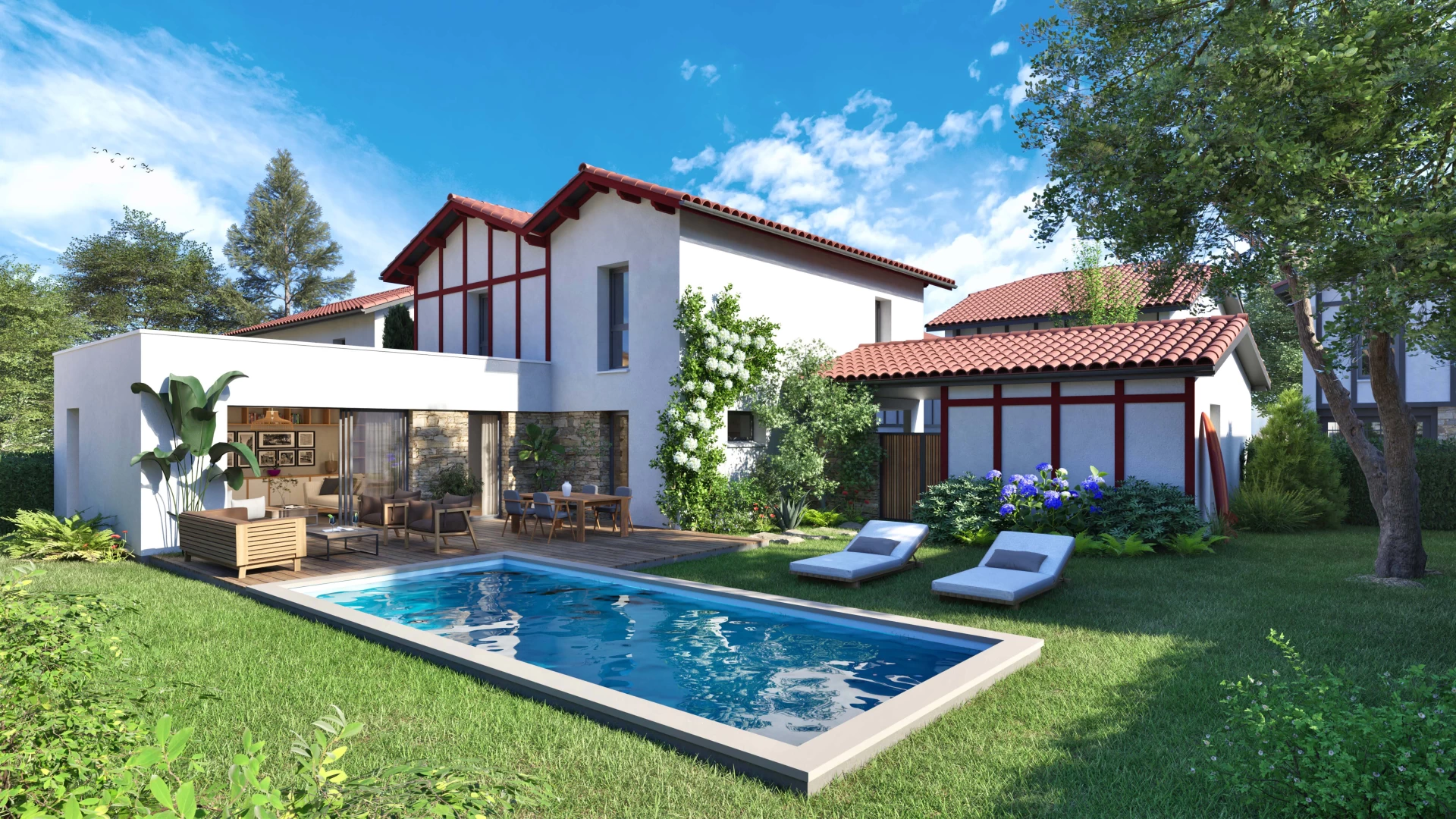
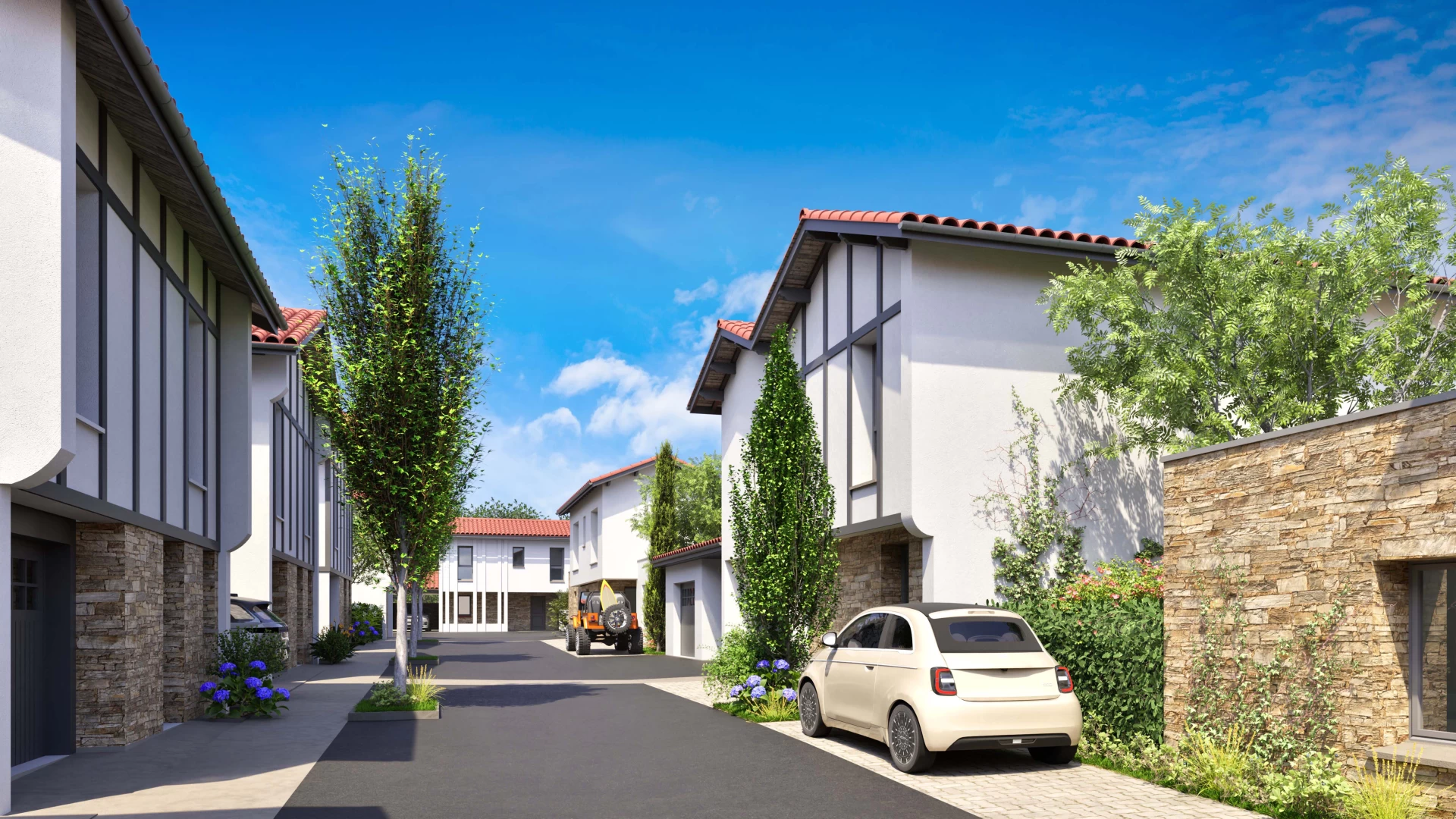
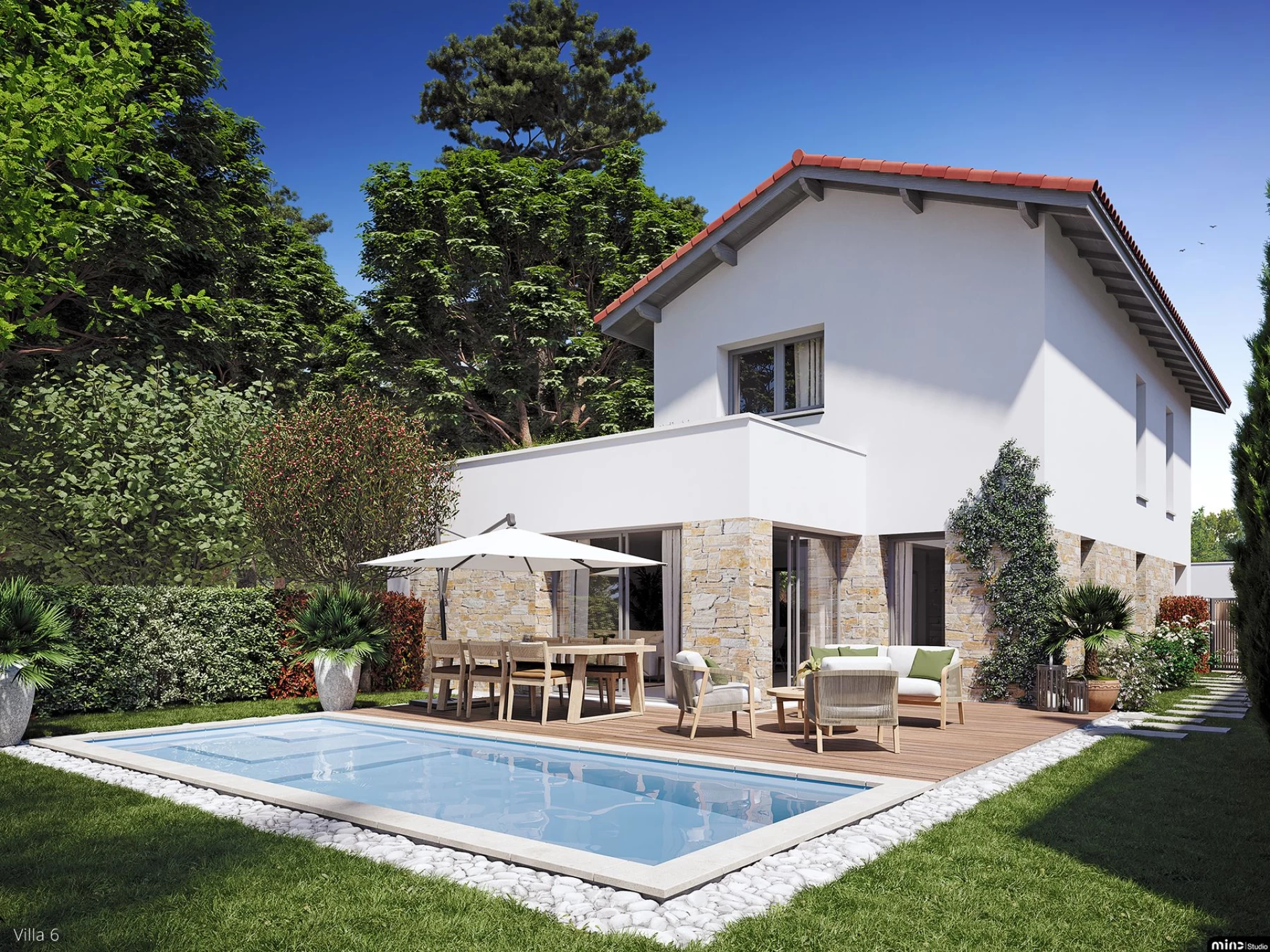
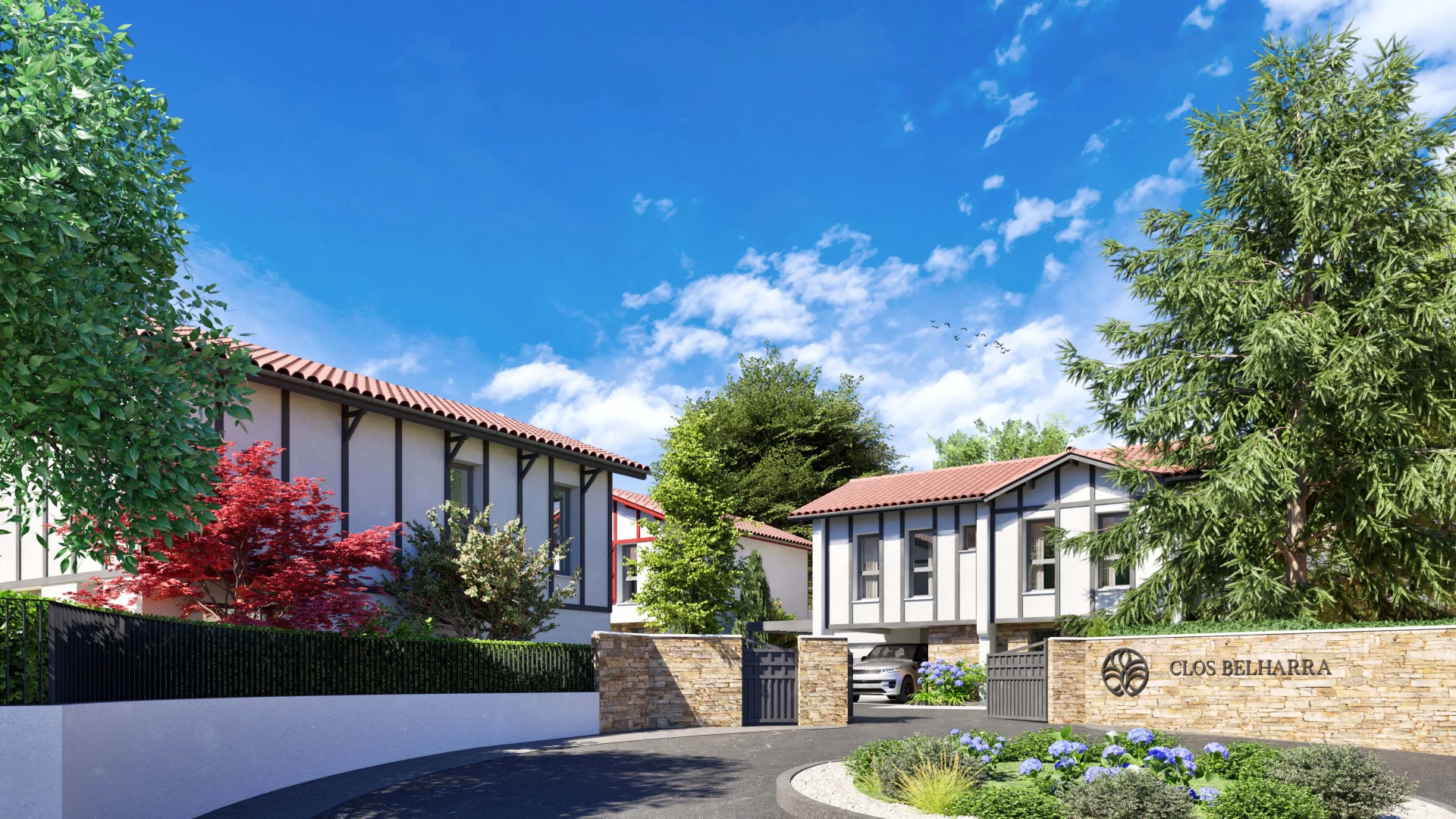
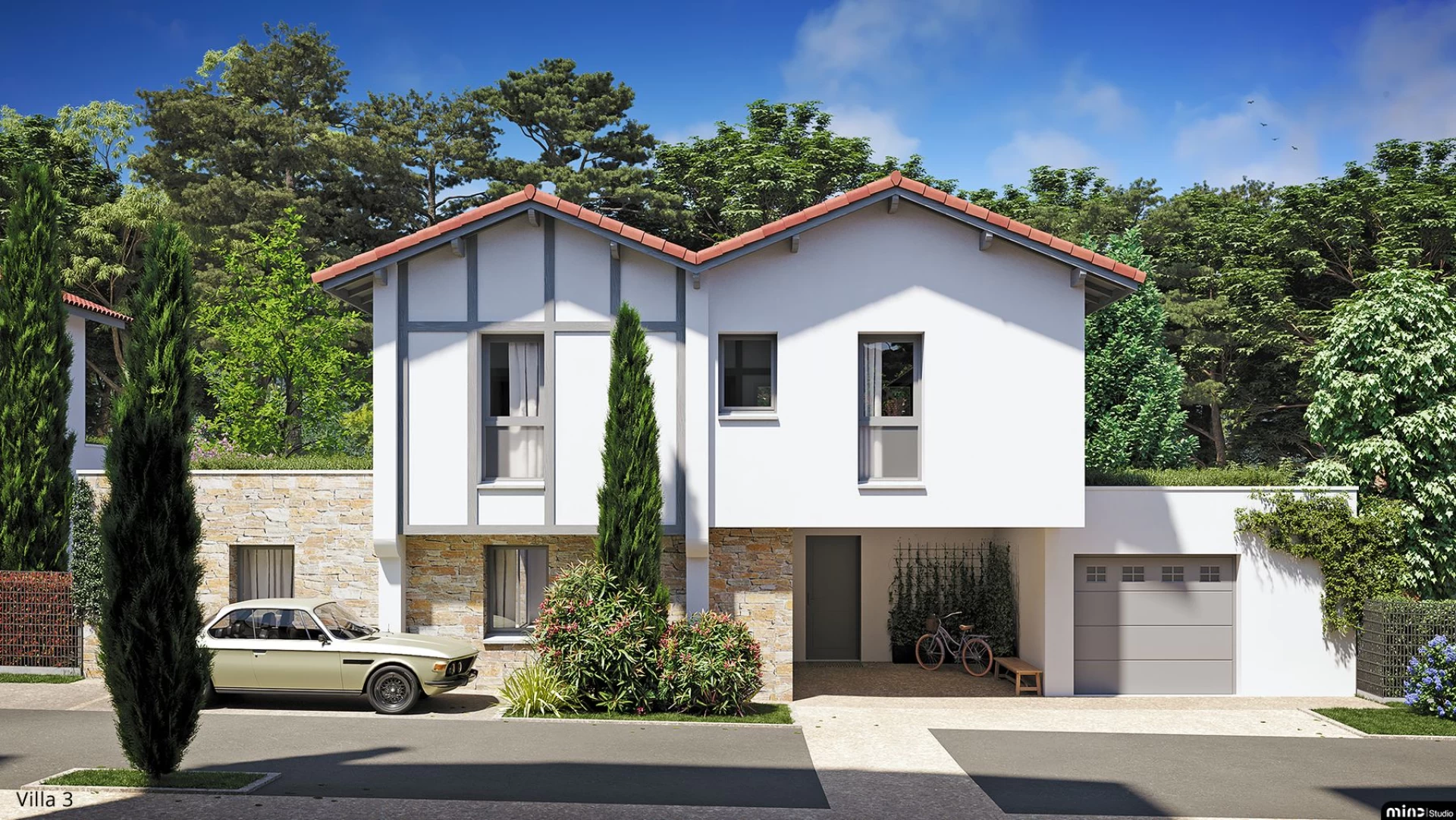
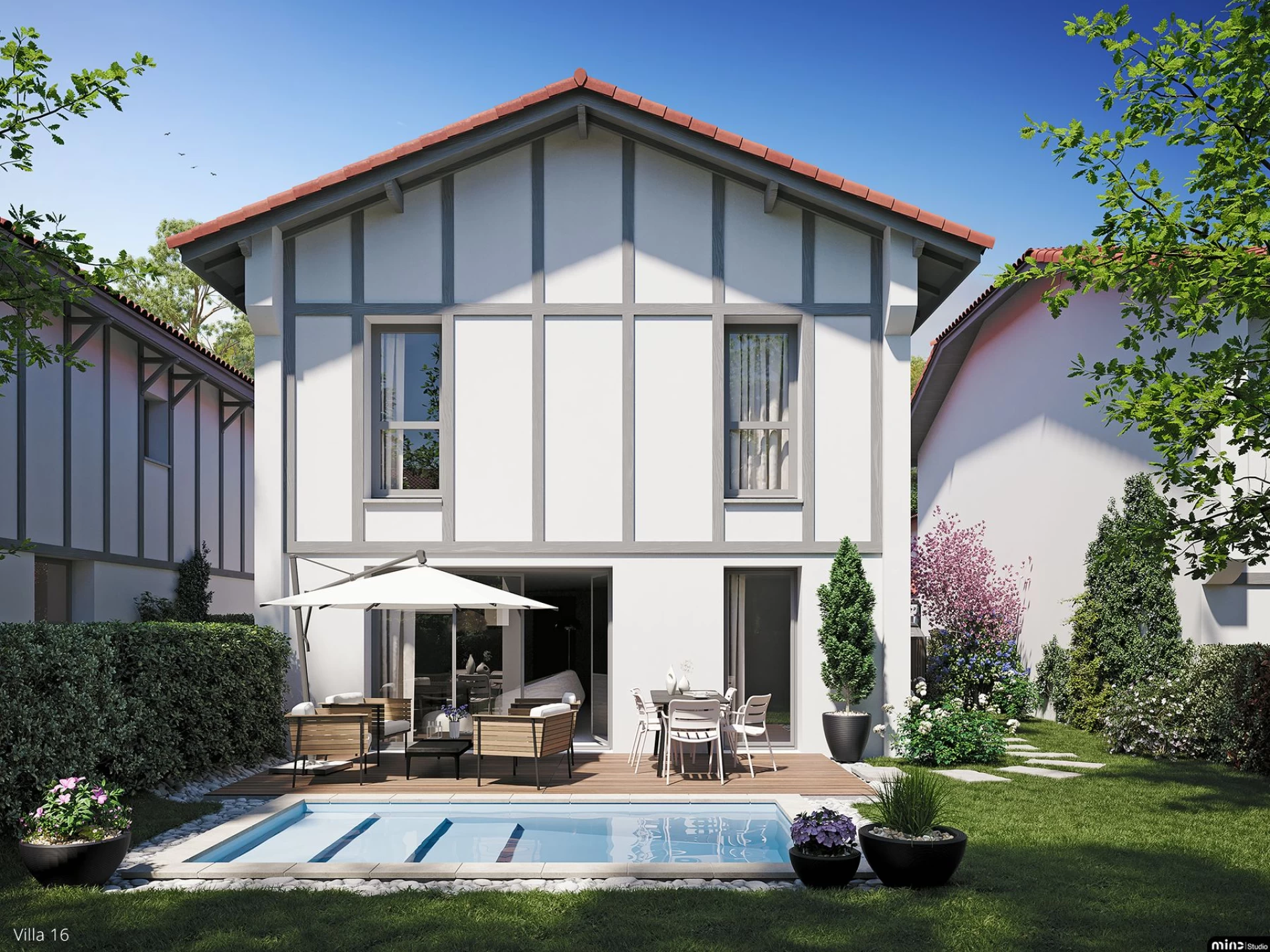
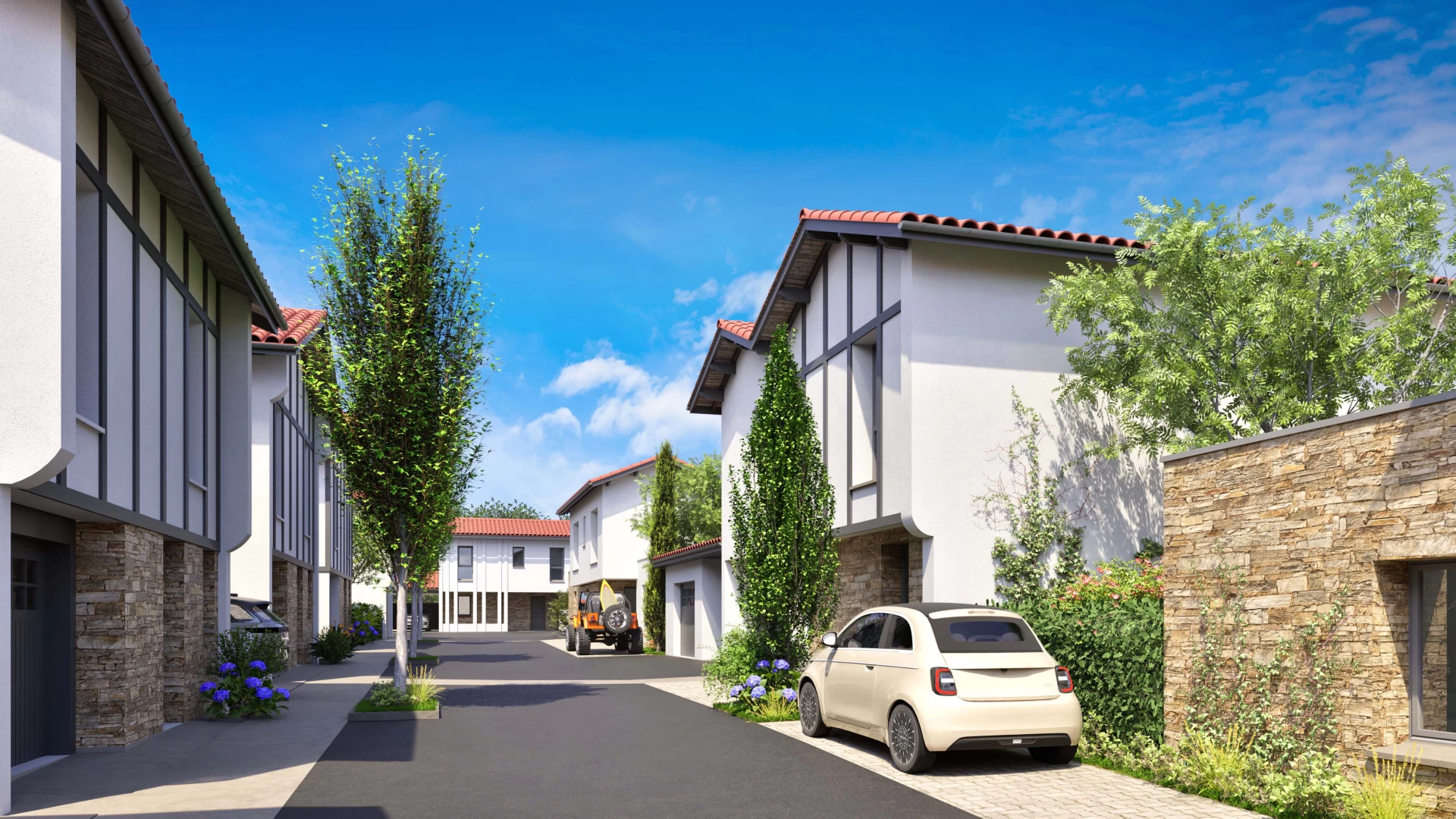
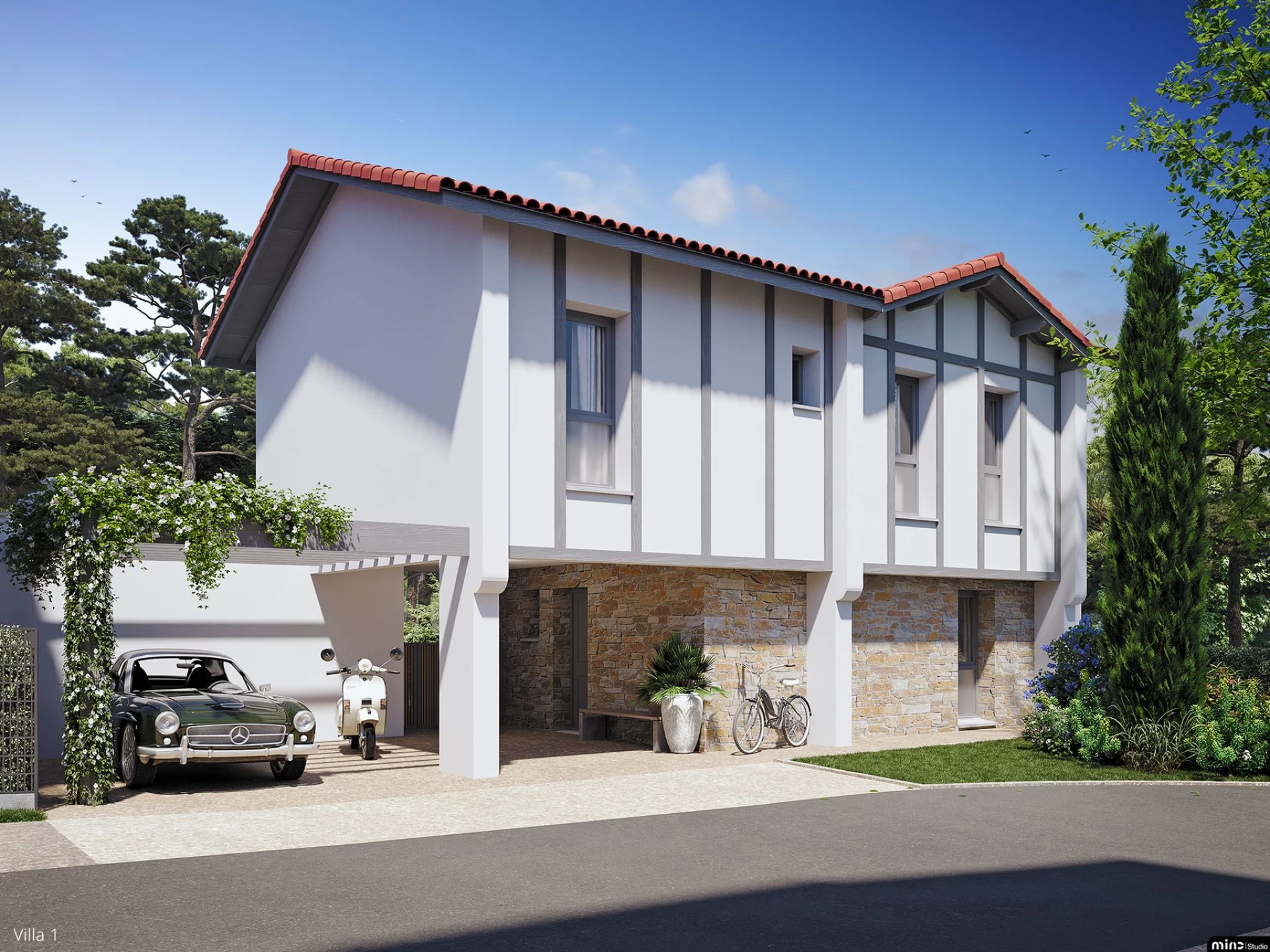
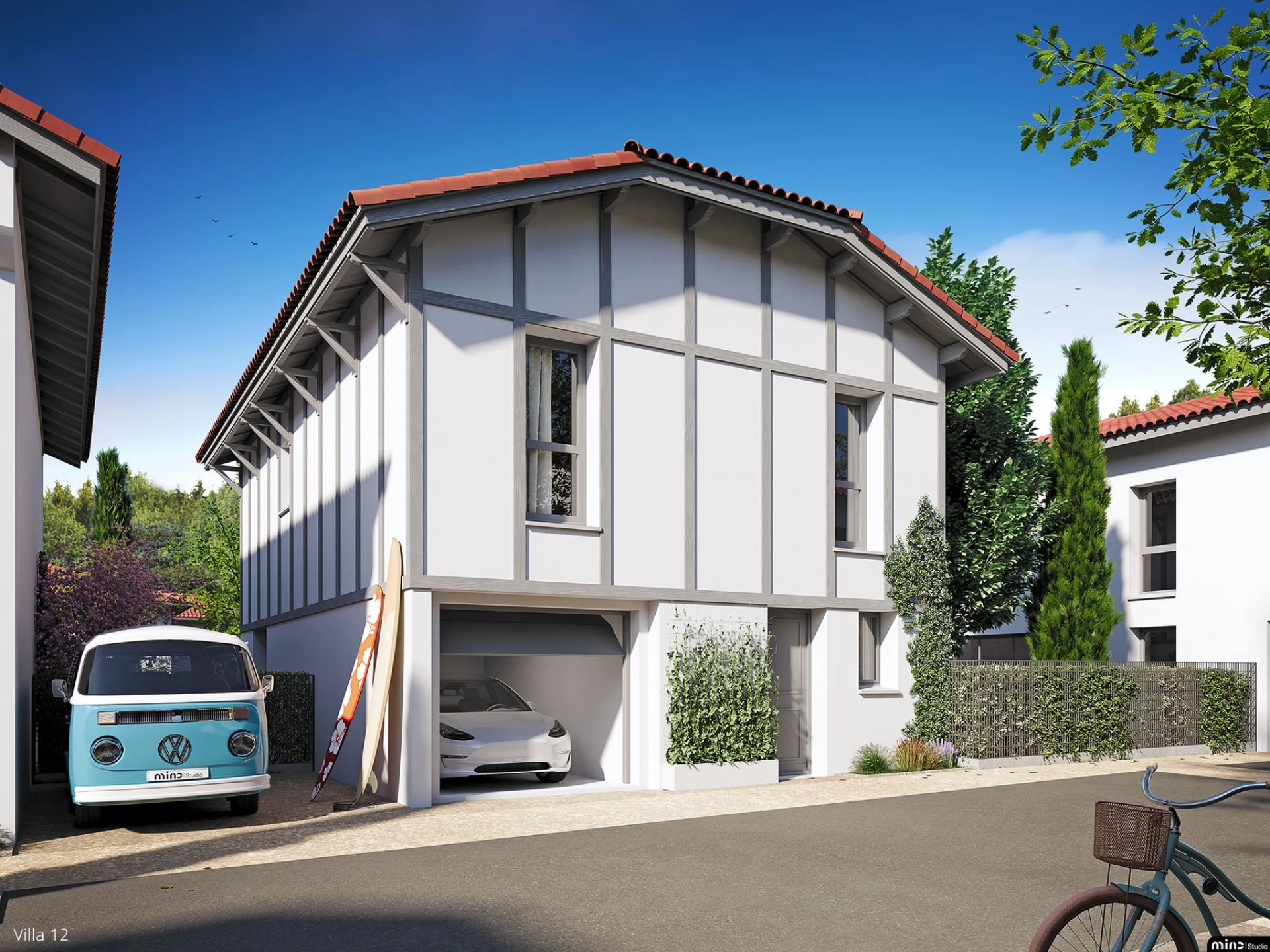
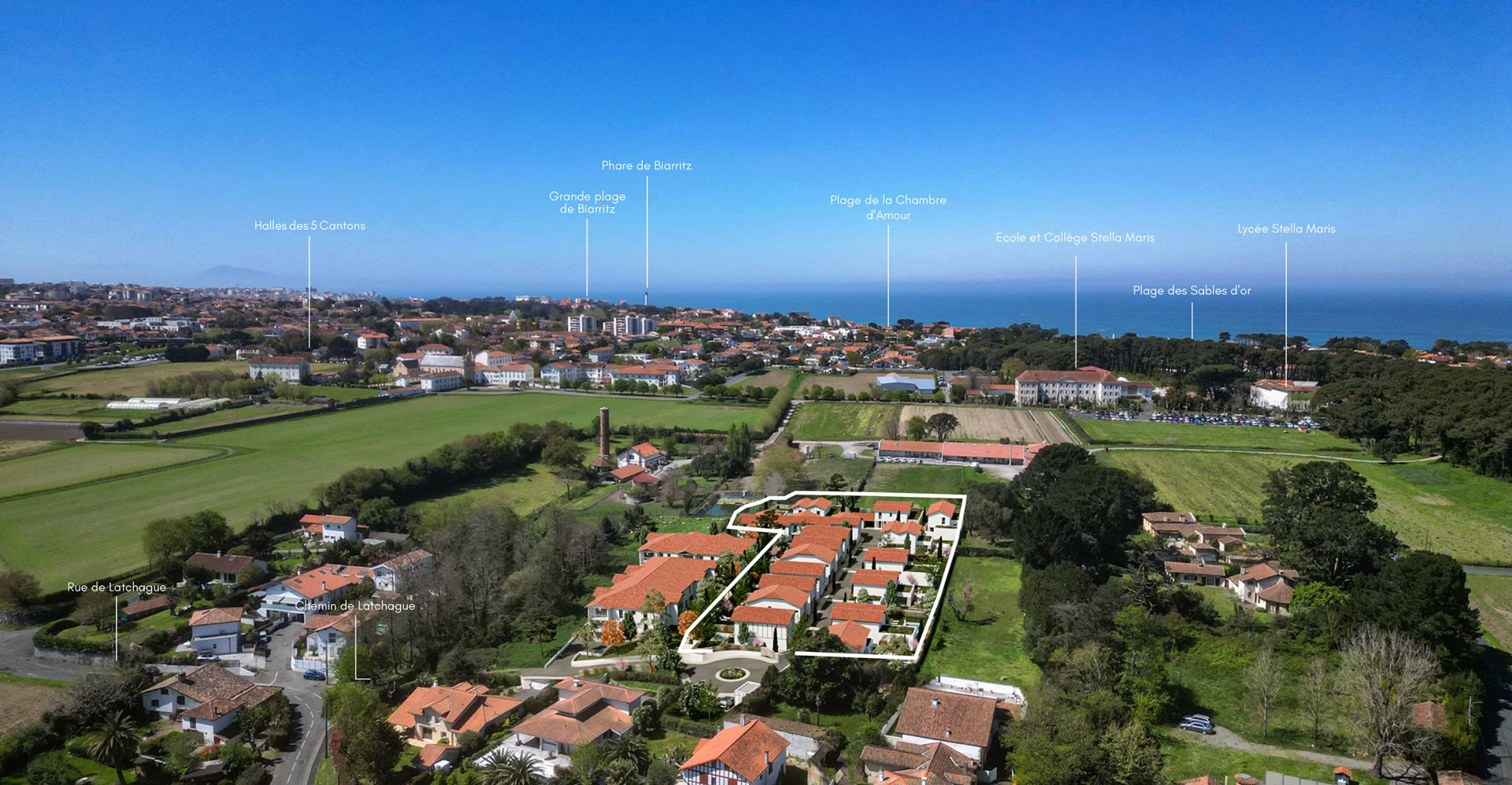
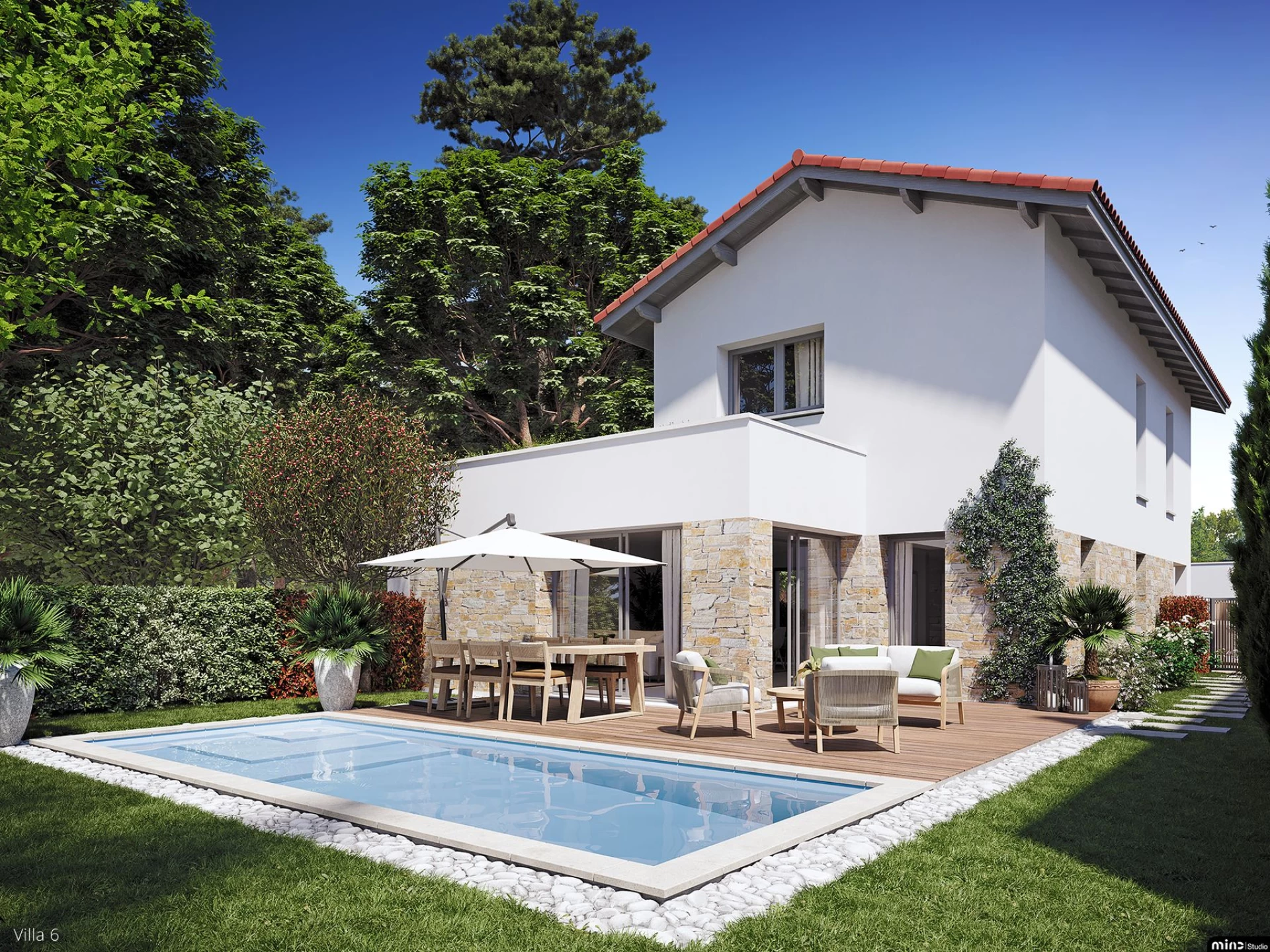
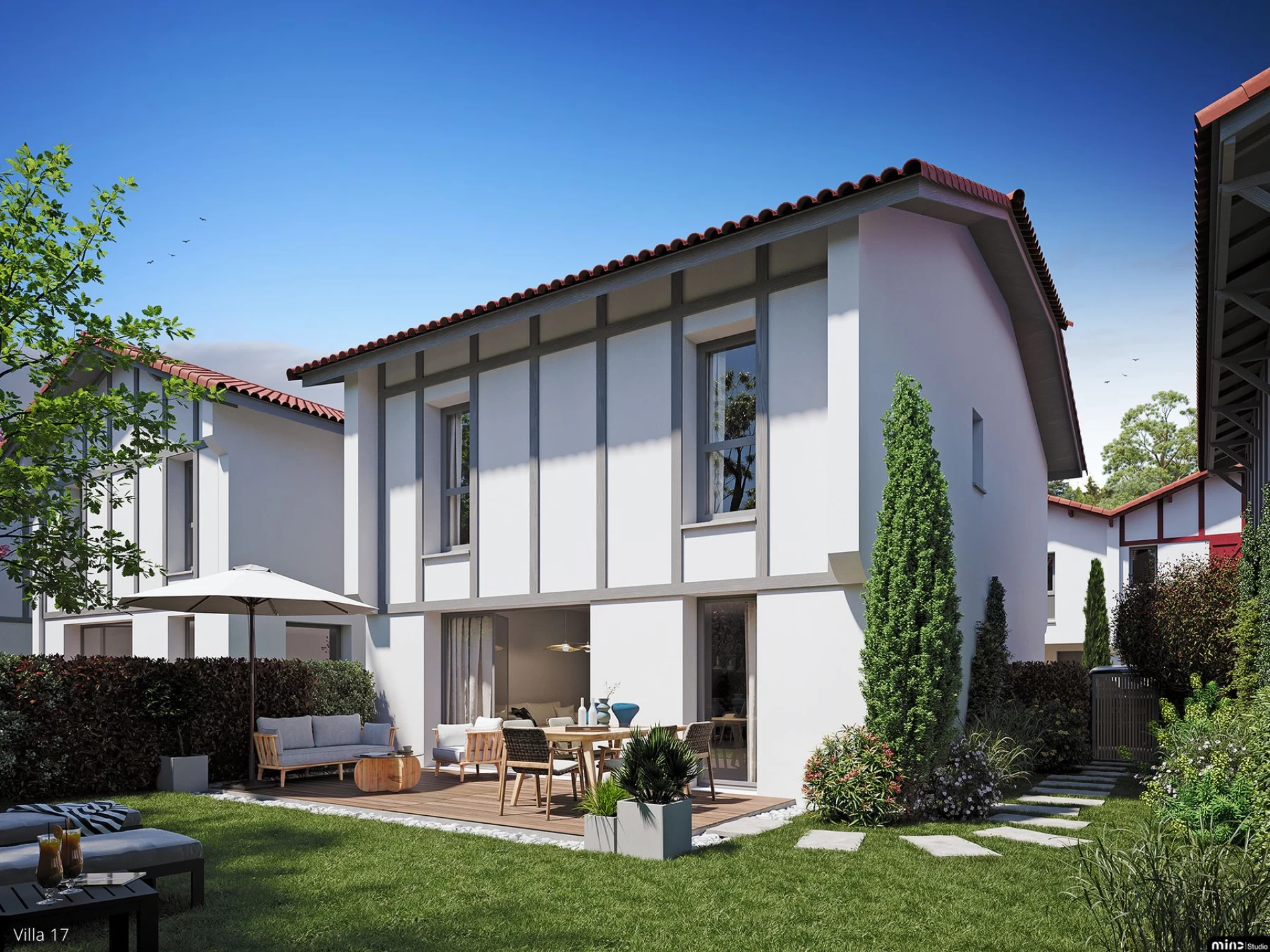
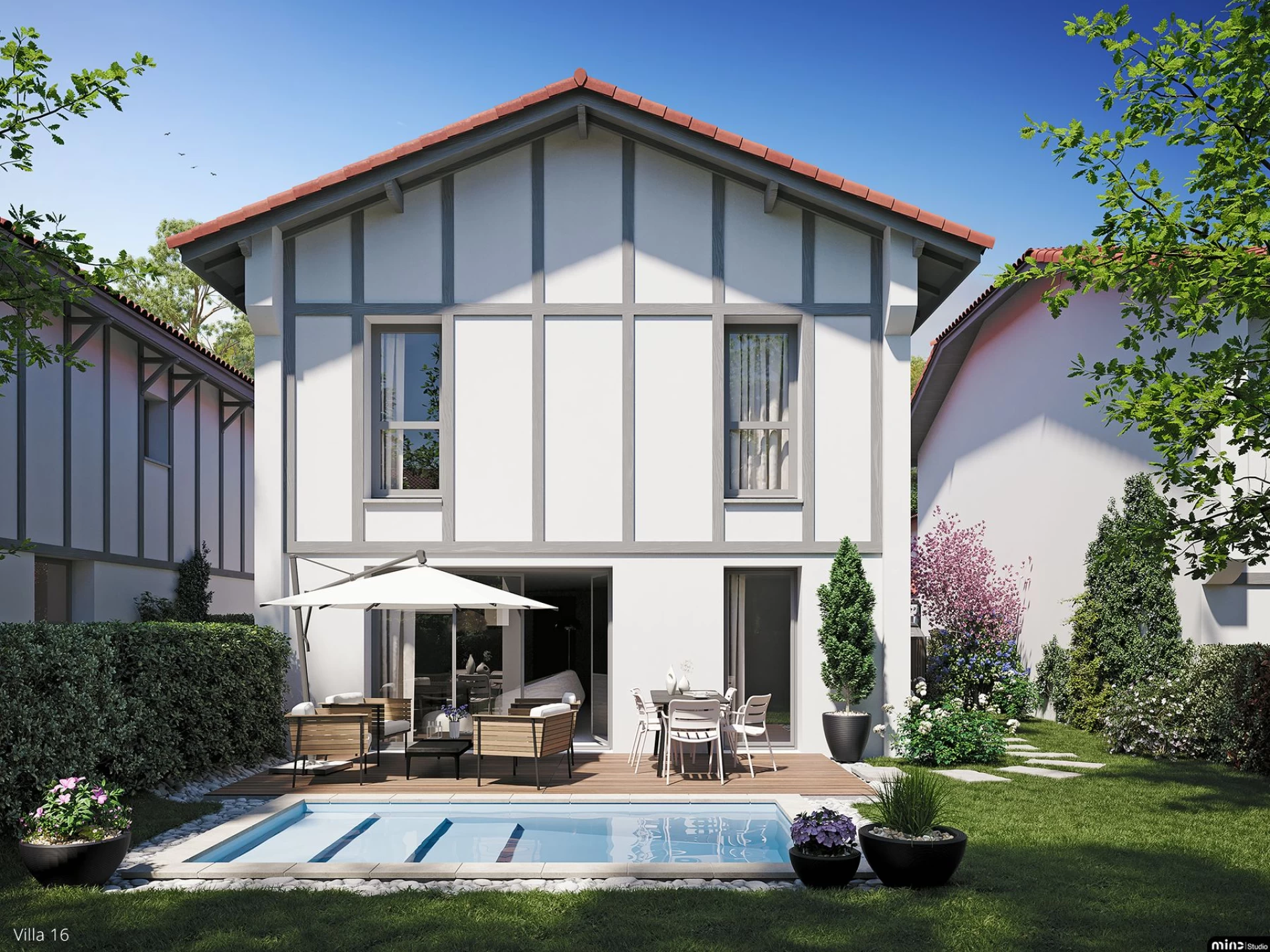
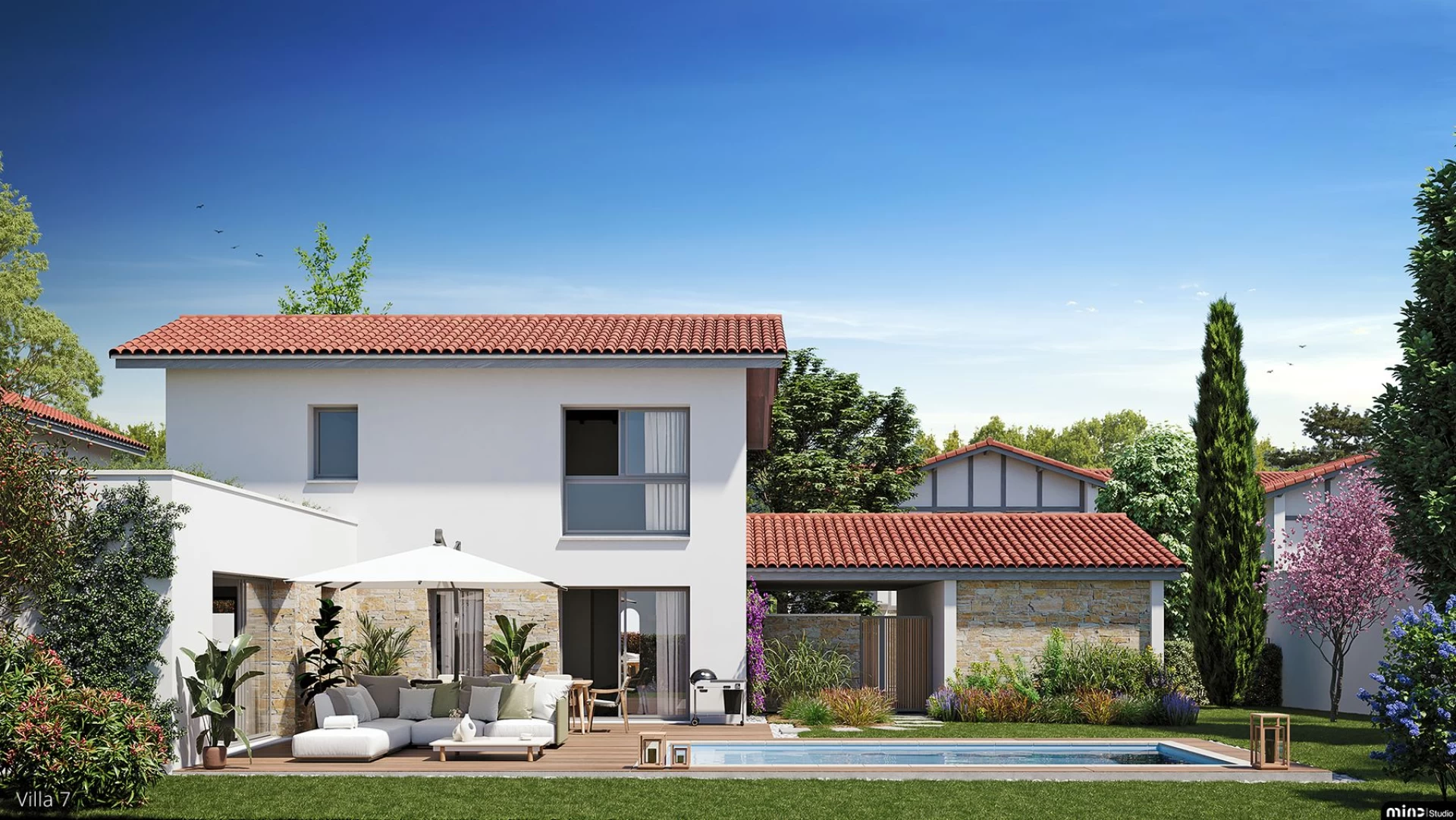
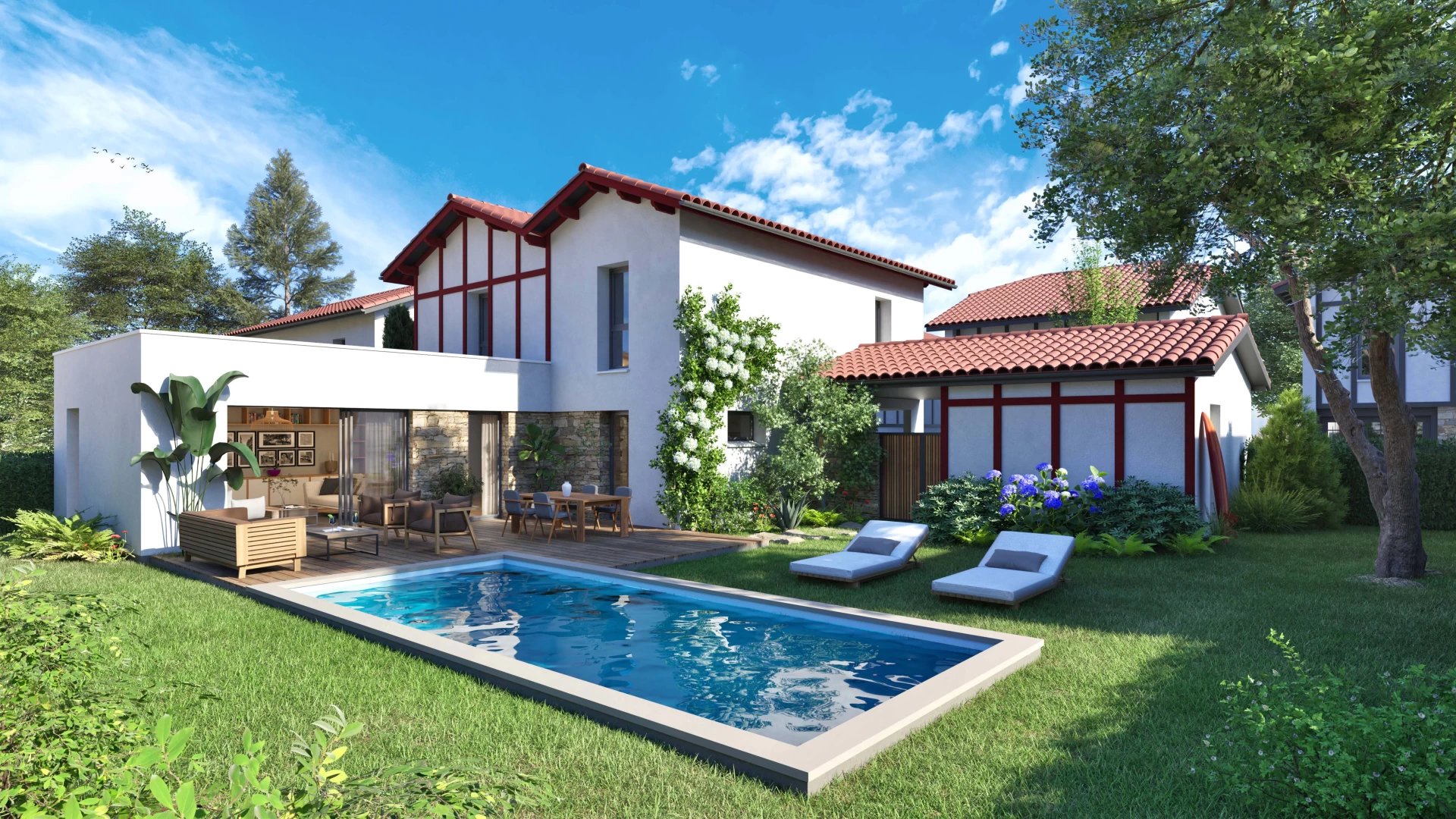
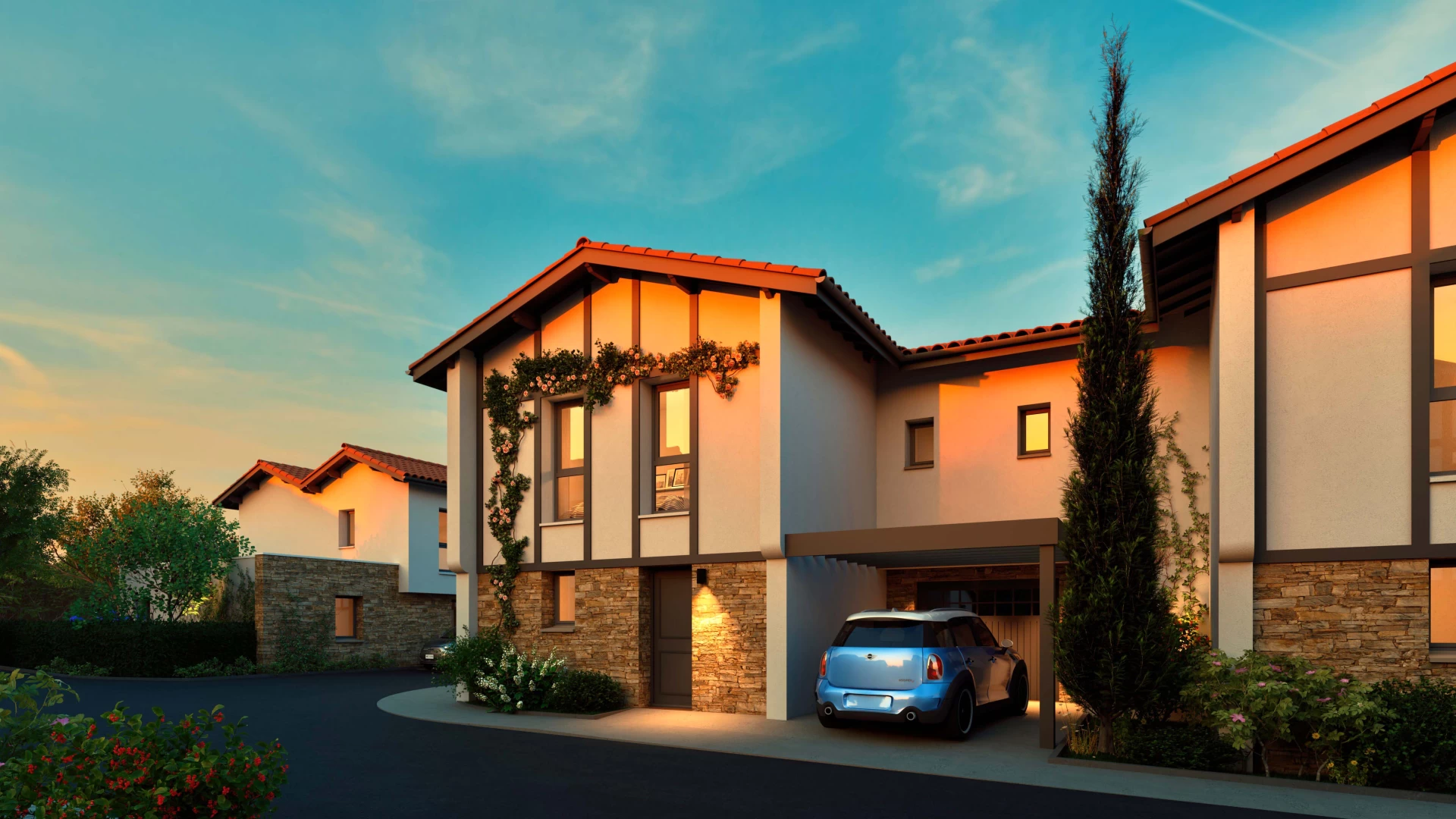
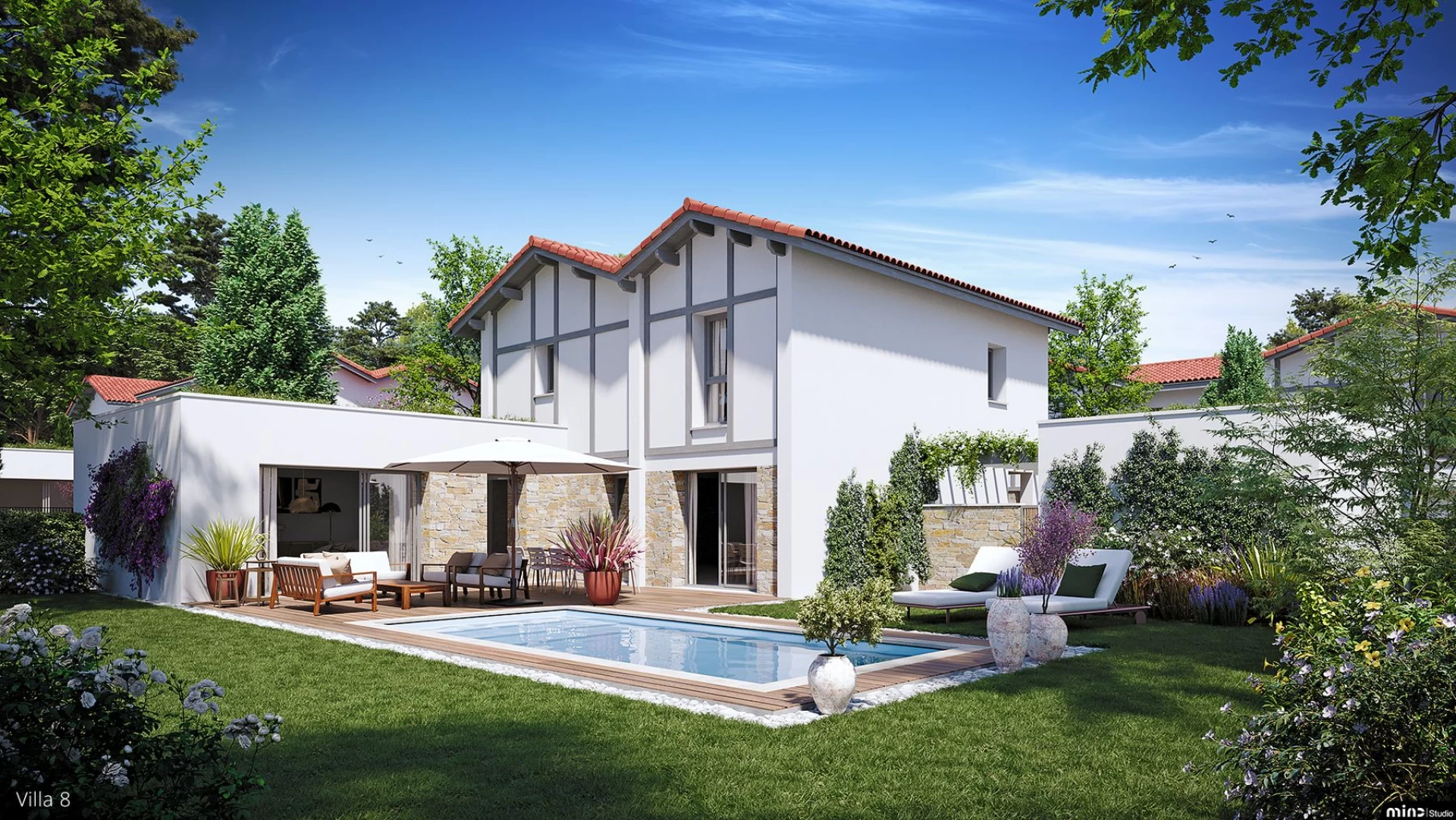
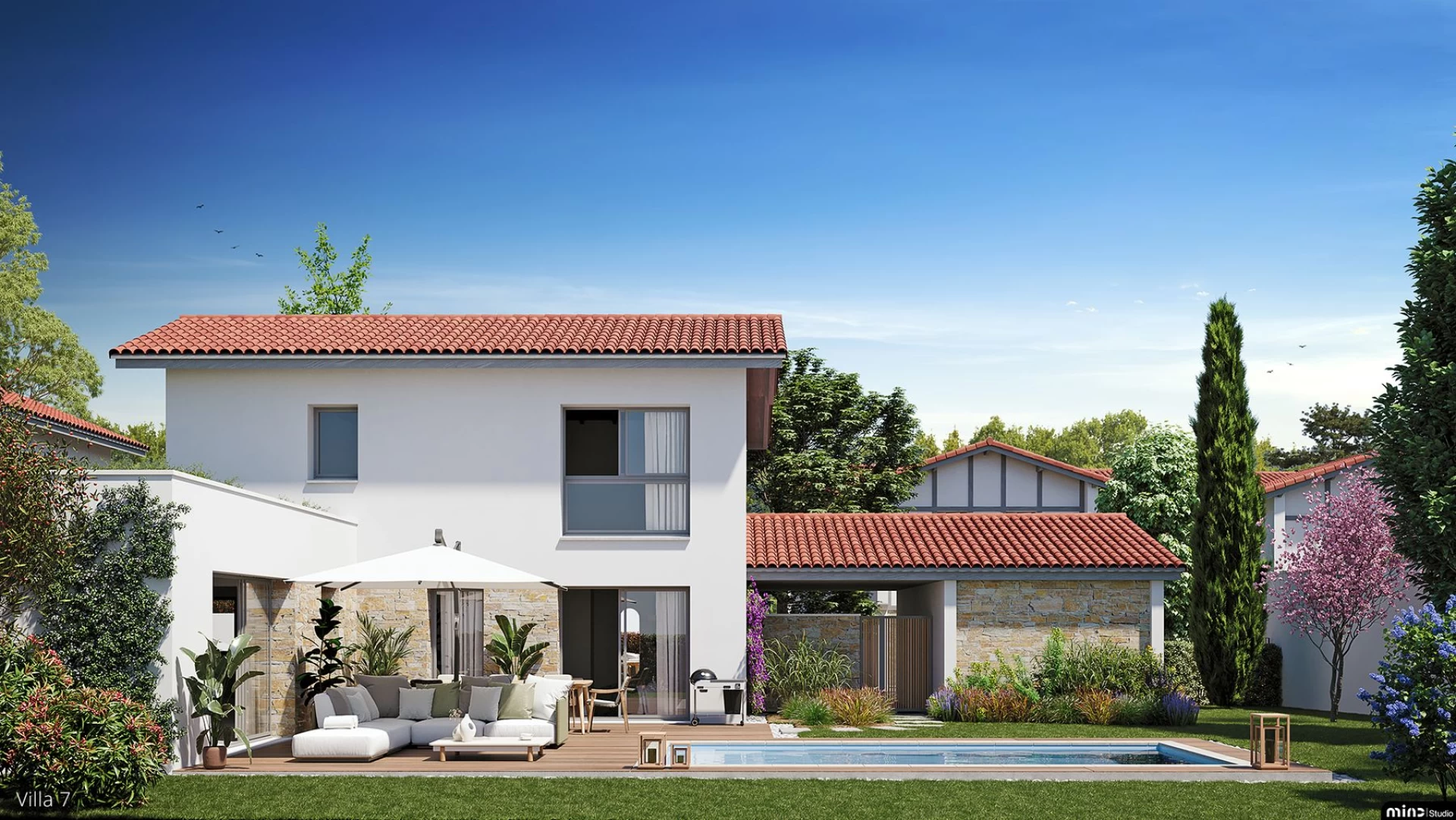
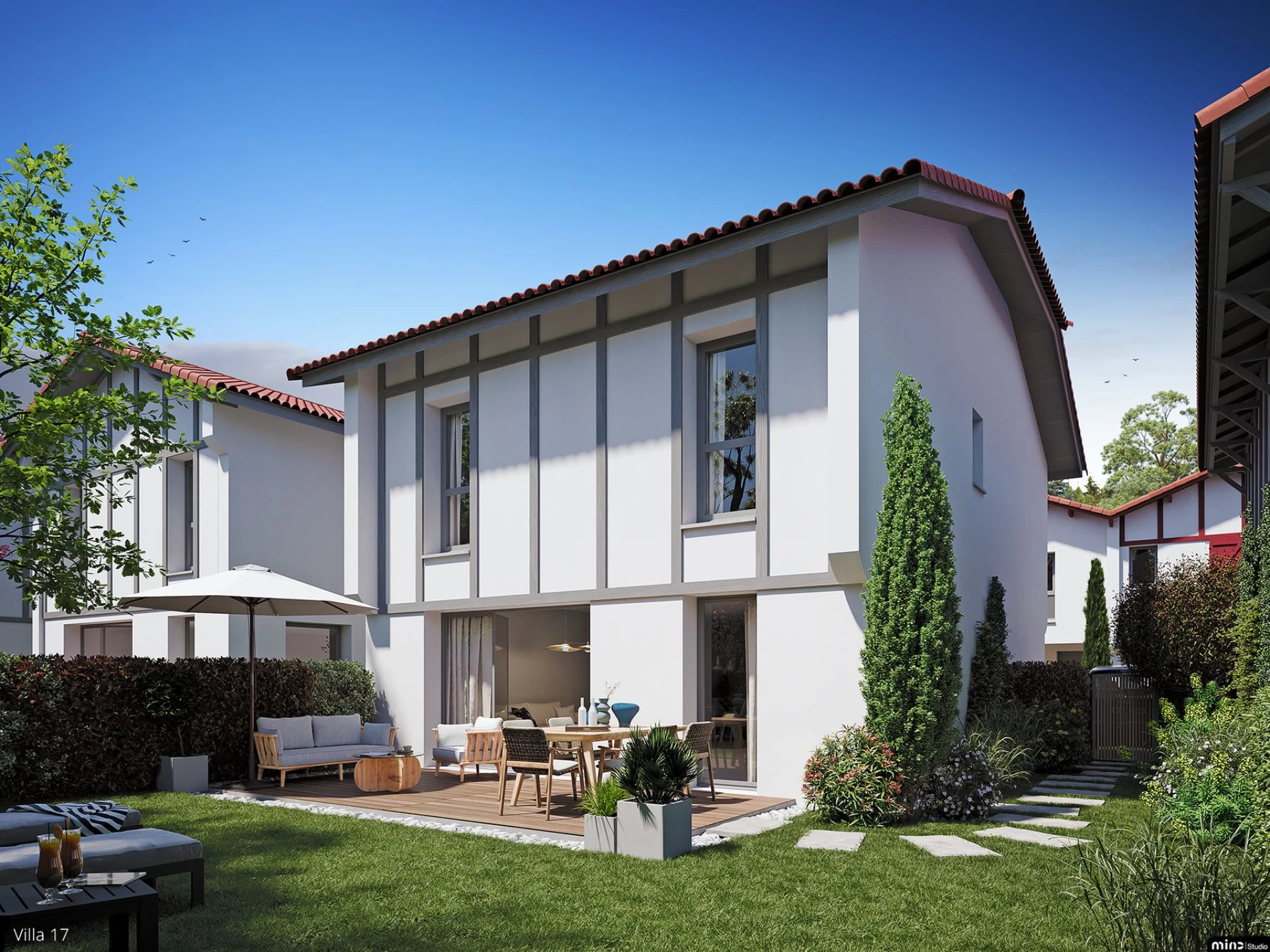
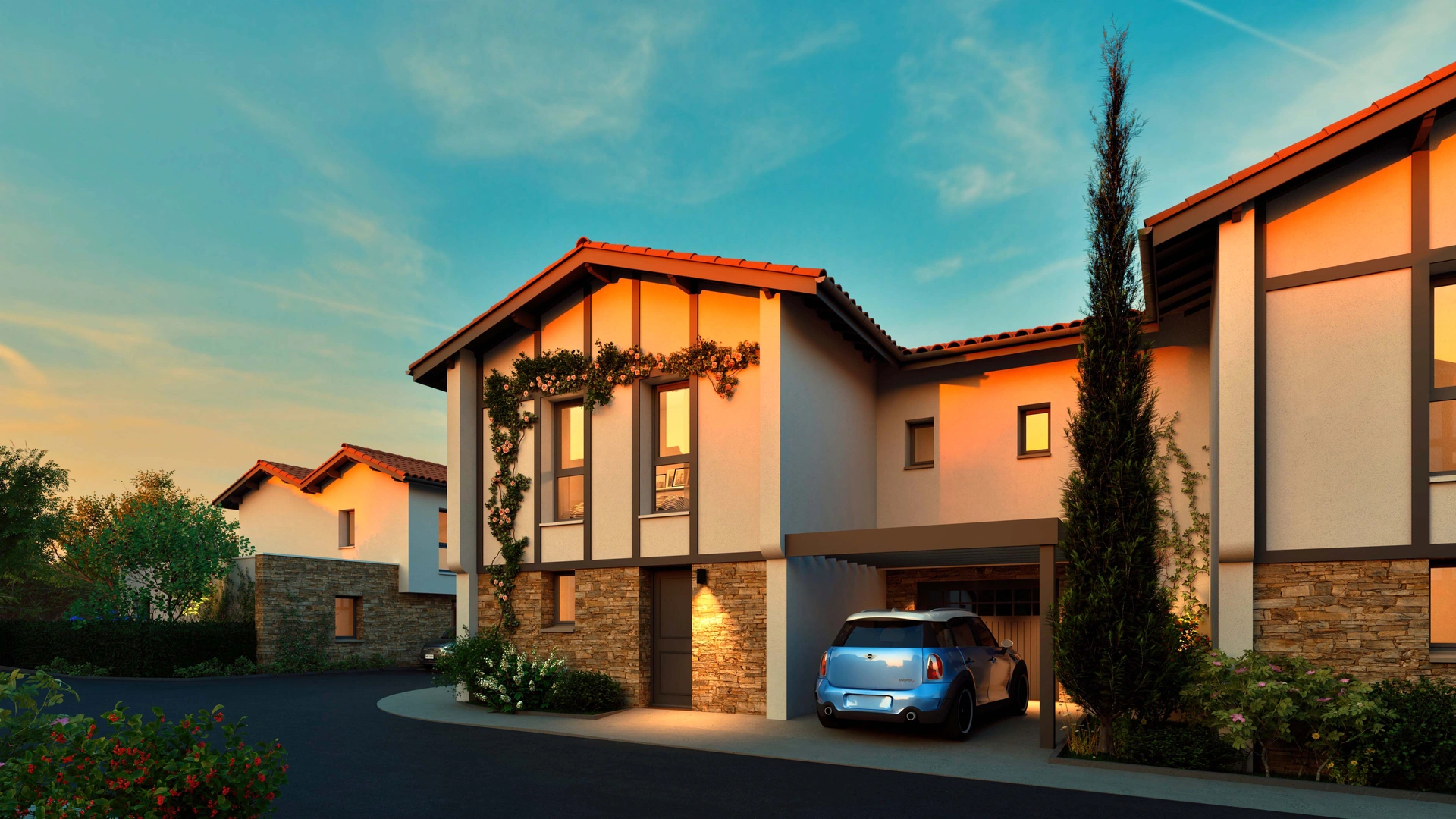
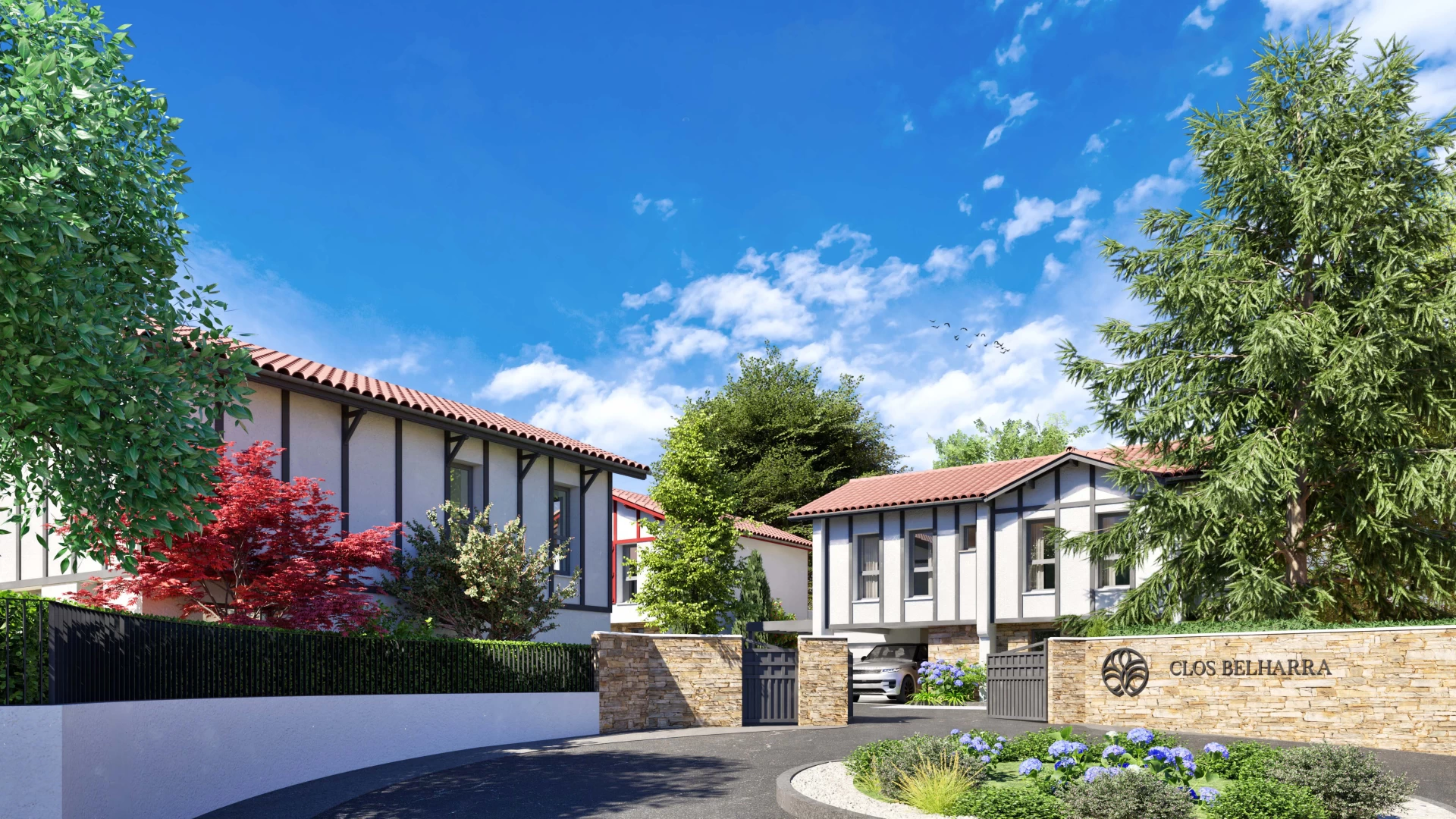
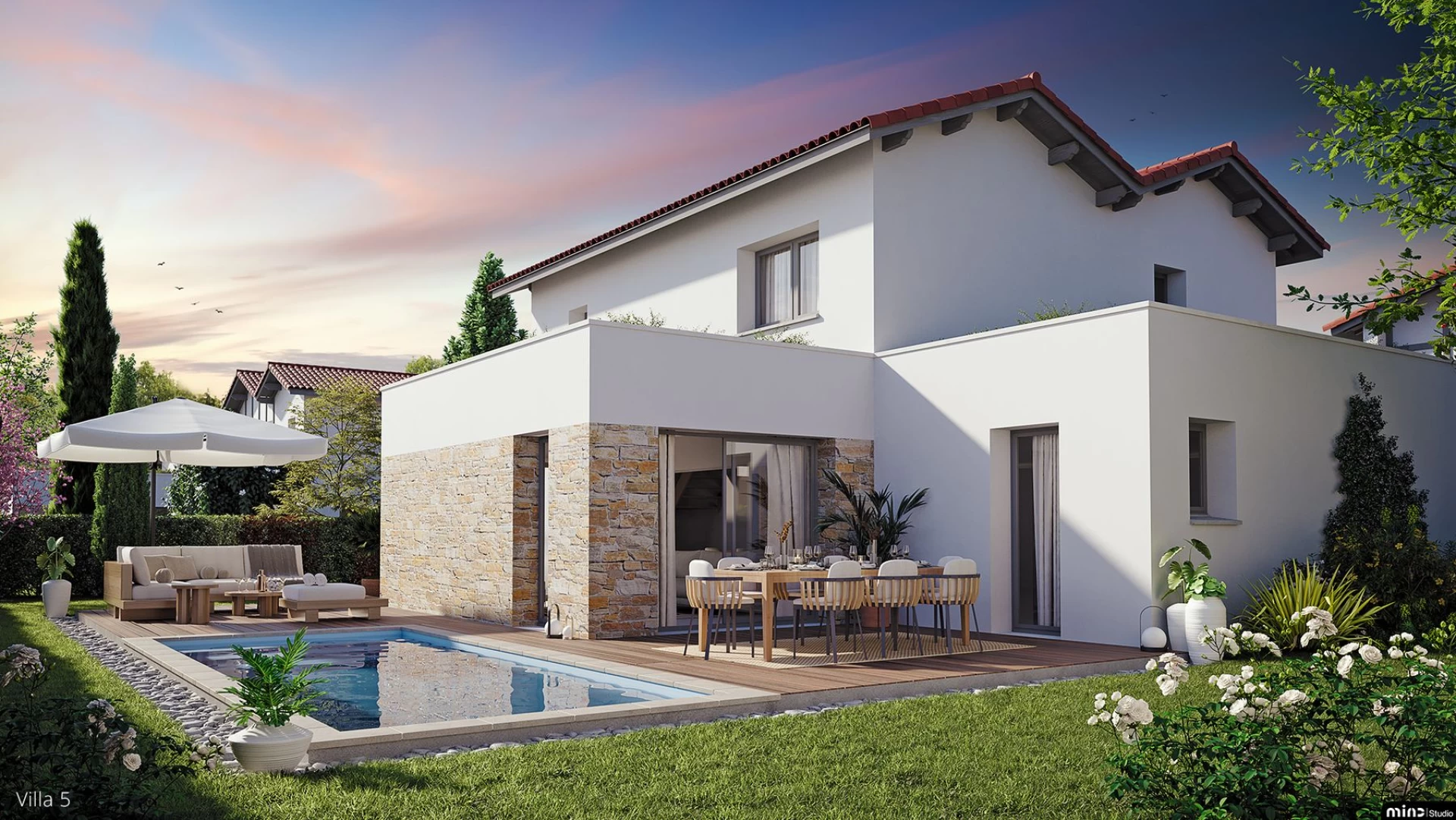
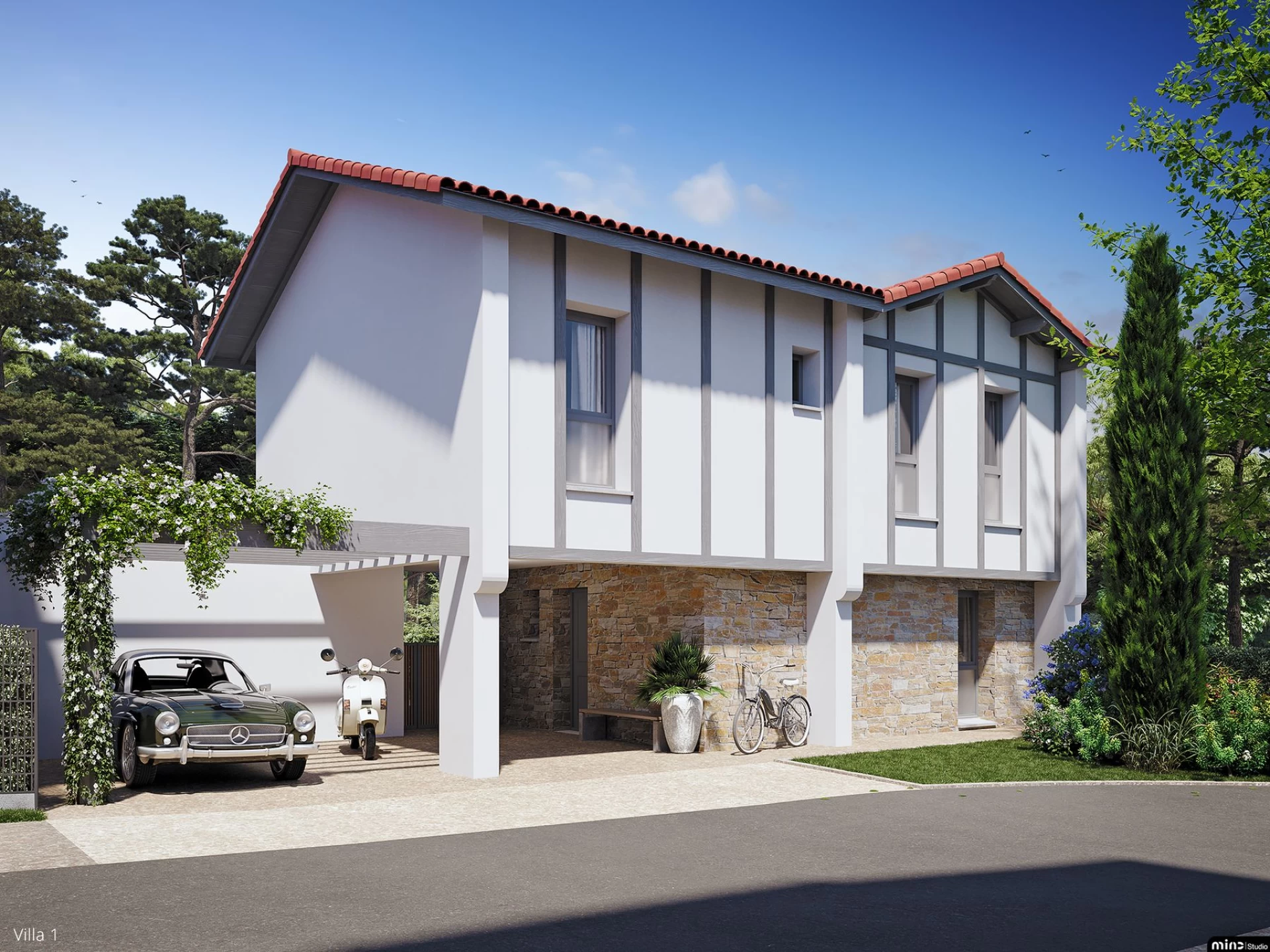
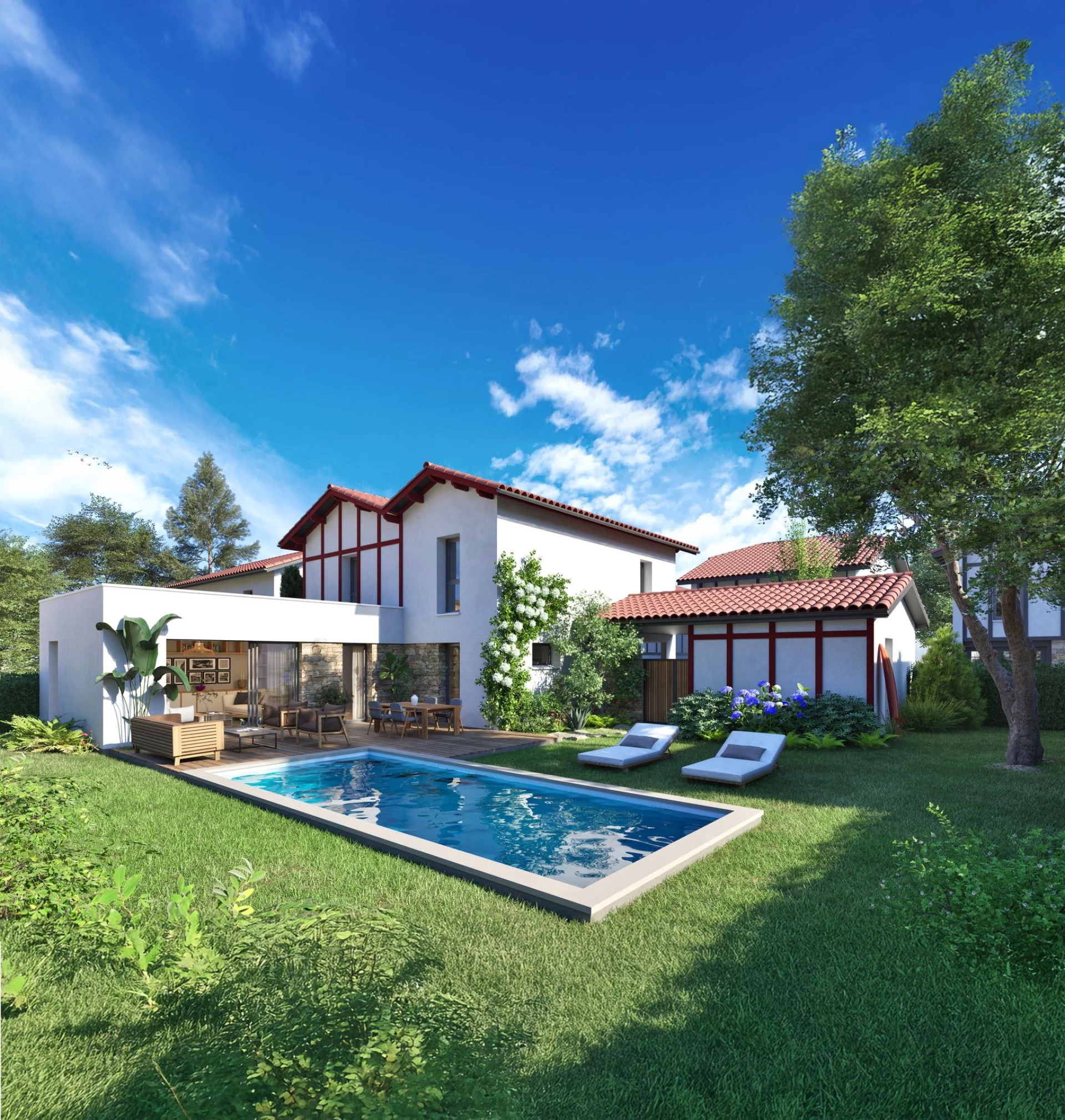
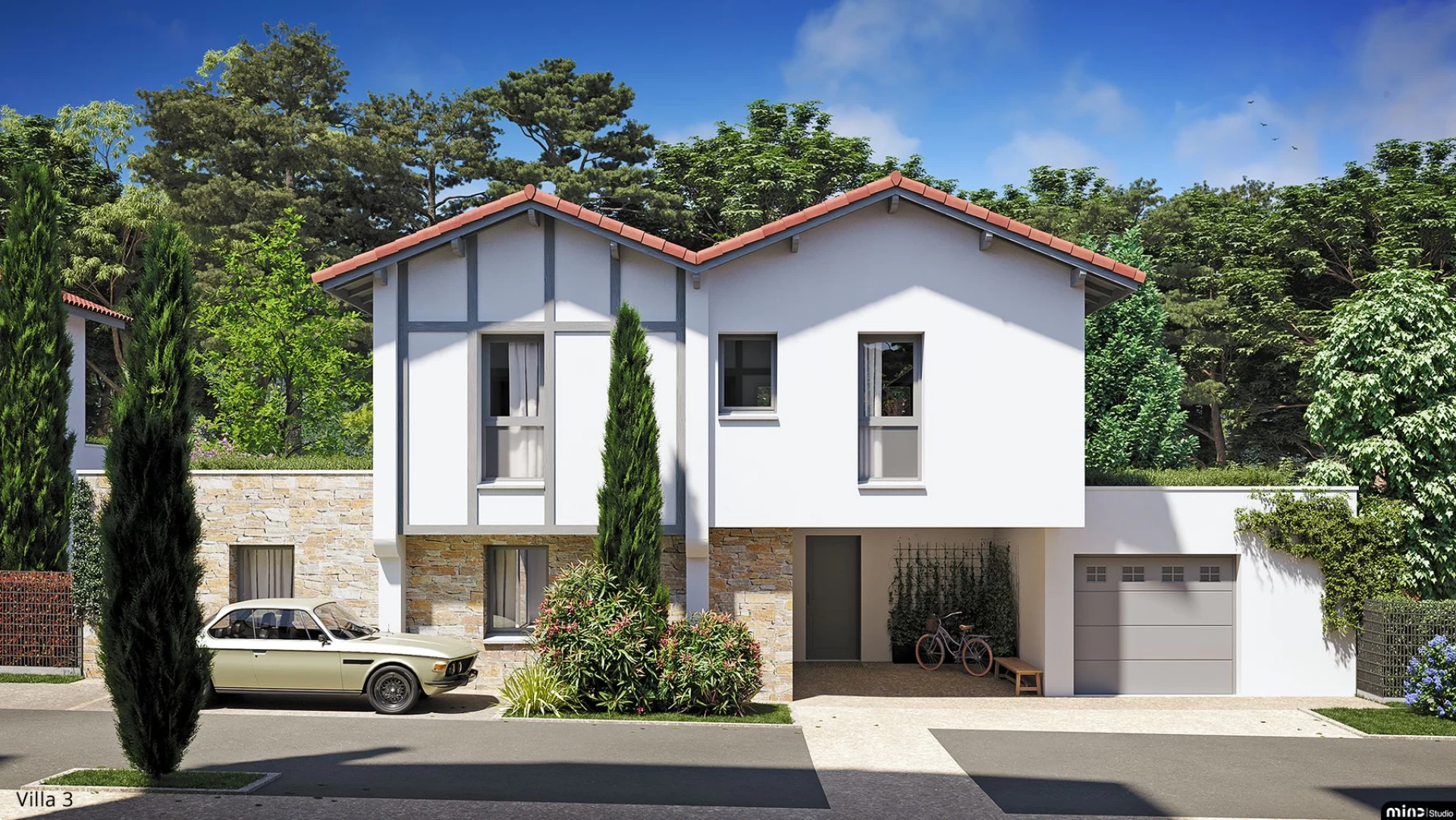
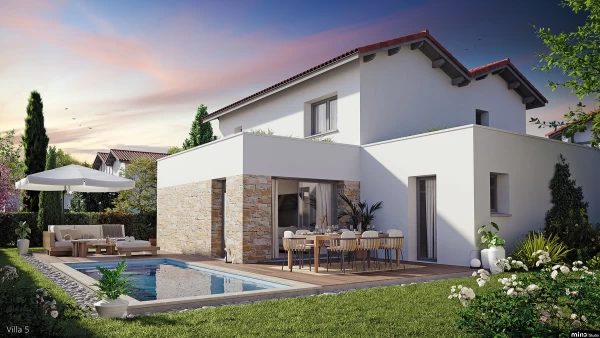
Une opportunité immobilière rare au cœur de la côte basque Nichée dans l’un des quartiers les plus prisés et préservés d’Anglet, le Clos Belharra incarne l’exception. Cette adresse confidentielle et intimiste s’intègre avec élégance dans le paysage exclusif du Pays Basque, où nature, océan, golf et gastronomie définissent un art de vivre unique. MJ Développement signe ici un domaine privé de 18 villas d’exception, dont certaines avec piscine individuelle, à seulement quelques pas des emblématiques Halles des Cinq Cantons et à 20 minutes à pied des plages atlantiques. Le Domaine Belharra a été pensé comme un ensemble résidentiel moderne, familial et raffiné, conjuguant intimité et convivialité. Les villas s’inspirent de l’architecture traditionnelle basque, revisitées avec des lignes contemporaines et une grande ouverture à la lumière naturelle, pour un équilibre parfait entre authenticité et modernité. Dans un marché où l’offre de maisons neuves de standing est particulièrement rare, le Clos Belharra se distingue par son architecture soignée, son calme absolu et son emplacement stratégique. Un lieu de vie pensé pour une existence douce, inspirée et durable. Un emplacement exceptionnel et privilégié Situé au cœur du quartier très prisé des Cinq Cantons, le Clos Belharra bénéficie d’une situation géographique idéale et d’un équilibre parfait entre terre et océan :
- À 5 min à pied des Halles, commerces, restaurants et services.
- Proche de l’école Stella Maris et des golfs de Chiberta et de l’Impératrice.
- À 20 min à pied des plages d’Anglet (Chambre d’Amour, Madrague, Sables d’Or).
- Accès rapide à l’aéroport de Biarritz, gares SNCF, autoroutes A63/A64.
- À proximité des pistes cyclables, espaces naturels et lignes de bus (5, 6, 11, 13).
- Un domaine entièrement sécurisée avec portail motorisé et contrôle d’accès.
- 18 villas individuelles spacieuses avec 4 ou 5 chambres, aux volumes généreux, parfaitement agencées, inspirées par 7 modèles architecturaux adaptés à toutes les familles.
- Chaque villa dispose :
- Garage fermé, places de parking intérieur ou extérieur privatifs en fonction des villas.
- Jardin paysager privatif avec terrasse
- Prestations extérieures haut de gamme : certaines villas disposent d’une piscine chauffée au sel et d’une douche extérieure.
- Intérieurs signés par Margaux Céada, architecte d’intérieur, alliant élégance, luminosité et confort avec des matériaux nobles et des tonalités naturelles.
- Parquet contrecollé (ou stratifié pour certaines villas) dans les pièces à vivre et chambres, carrelage grand format 90x90 (ou 60x60 pour certaines villas) dans les salles d’eau, mobilier tendance dans les salles de bain.
- Design épuré, volumes optimisés, lumière abondante.
- Confort thermique et énergétique de pointe :
- Climatisation gainable MULTIZONE réversible,
- Chauffage performant,
- Ballon thermodynamique dernière génération,
- Construction conforme RT 2020.
- Domotique intégrée : visiophone connecté (type Intratone ou équivalent) pour ouverture à distance.
- Résidence principale : Vivre à l’année dans un cadre d’exception, alliant confort, accessibilité et douceur de vivre.
- Résidence secondaire : Un pied-à-terre unique à proximité immédiate de l’océan, du golf, de la montagne et de l’Espagne, à seulement 2h de Bordeaux ou Toulouse.
- Investissement patrimonial : Un bien rare dans une zone à forte tension foncière, garant d’une valorisation durable.
- Un programme immobilier rare dans un quartier résidentiel recherché et préservé.
- Une architecture soignée, élégante et intemporelle, signée par un architecte reconnu.
- Des prestations haut de gamme pensées pour le confort, la pérennité et le bien-être.
- Un cadre de vie privilégié, entre nature, océan et culture basque, invitant à vivre, vibrer à la californienne… à la française.
- Une opportunité patrimoniale unique, avec un fort potentiel de valorisation sur la côte basque.
9 lots d'habitations disponibles
-
PriceSurface areaCharacteristics
-
House 116m2Parking830 000€
-
830 000€116m2Parking
-
House 115m2Parking910 000€
-
910 000€115m2Parking
-
House 115m2Parking910 000€
-
910 000€115m2Parking
-
House 115m2Parking935 000€
-
935 000€115m2Parking
-
House 115m2Parking935 000€
-
935 000€115m2Parking
-
House 135m2Parking1 450 000€
-
1 450 000€135m2Parking
-
House 155m2Parking1 470 000€
-
1 470 000€155m2Parking
-
House 156m2Parking1 475 000€
-
1 475 000€156m2Parking
-
PriceSurface areaCharacteristics
-
House 171m2Parking1 840 000€
-
1 840 000€171m2Parking
Are you interested in this property? Contact us !


Legal guarantees: Financial completion guarantee, apparent defects guarantee, perfect completion guarantee, two-year guarantee, and ten-year guarantee.
Energy performance: RT2012 and RE2020
Accessibility to housing: disability standards, elevator, etc.
Standards: thermal, acoustic, etc.
A customizable home: modification works (bathtub, electrical outlet) and/or interior fittings such as tiling, painting, bathroom furniture, etc.
Reduced notary fees: approximately 3% vs. 7 to 8% for older properties
State aid: Zero-interest loan, Pinel scheme, etc.
Total or partial exemption from property tax: for the two years following the construction
Reduced VAT: Possibility of buying properties in ANRU zones and benefiting from a 5.5% VAT under certain income conditions.
First-time homebuyers can benefit from the zero-interest loan (PTZ) under certain income conditions.
First-time homebuyers refer to households that have not owned their primary residence in the two years preceding the loan offer and whose income does not exceed the established ceiling.
The assessment of income is based on the reference taxable income from the year N-2 of all the individuals intended to occupy the property.
The amounts of the PTZ and the income limits vary depending on the location of the property (Zone A, B, or C).
Searching for a property that meets your needs (get assistance from a specialized advisor from Capifrance)
Signing a reservation contract detailing the property (size, location, description), price, delivery date, etc. The buyer pays a deposit to the developer into an escrow account.
Financing the purchase with a loan and signing the loan offer
Signing the deed of sale at the notary's office, including all information about the property, the price and payment terms, the delivery date, and the guarantees.
Customizing the property and selecting materials in agreement with the developer (modification works).
Delivery of the property, allowing for the identification of any defects, which are addressed within a month following delivery by the companies involved in the construction.
RE2020 is the new energy and environmental regulation for all new construction. The developer commits to a certain level of building energy consumption and greenhouse gas emissions.
The aim is to design and build the future living spaces for the French population while pursuing three major objectives set by the government:
An objective of energy efficiency and energy decarbonization;
A reduction in the carbon footprint;
Ensuring comfort in case of extreme heat.
This guarantee applies for 10 years from the date of completion of the work. It protects against potential damages that could compromise the solidity of the construction and make it uninhabitable. Cracks, leaks, roofing problems, etc.: the builder is required to intervene if these damages are not due to normal wear and tear or poor maintenance of the dwelling.
Do you need advice for your real estate project? Contact a Capifrance advisor
