







New real estate development of 1 unit in Avignon (84000)
Description of this new development in Avignon
AVIGNON : Foyer de l’humanisme
Avignon est une «cité-forteresse», d’aspect encore romaine. Au Moyen Âge, c’était un centre intellectuel réputé. En 1309, le pape Clément V choisit de s’installer à Avignon.
LE QUARTIER : L'emplacement
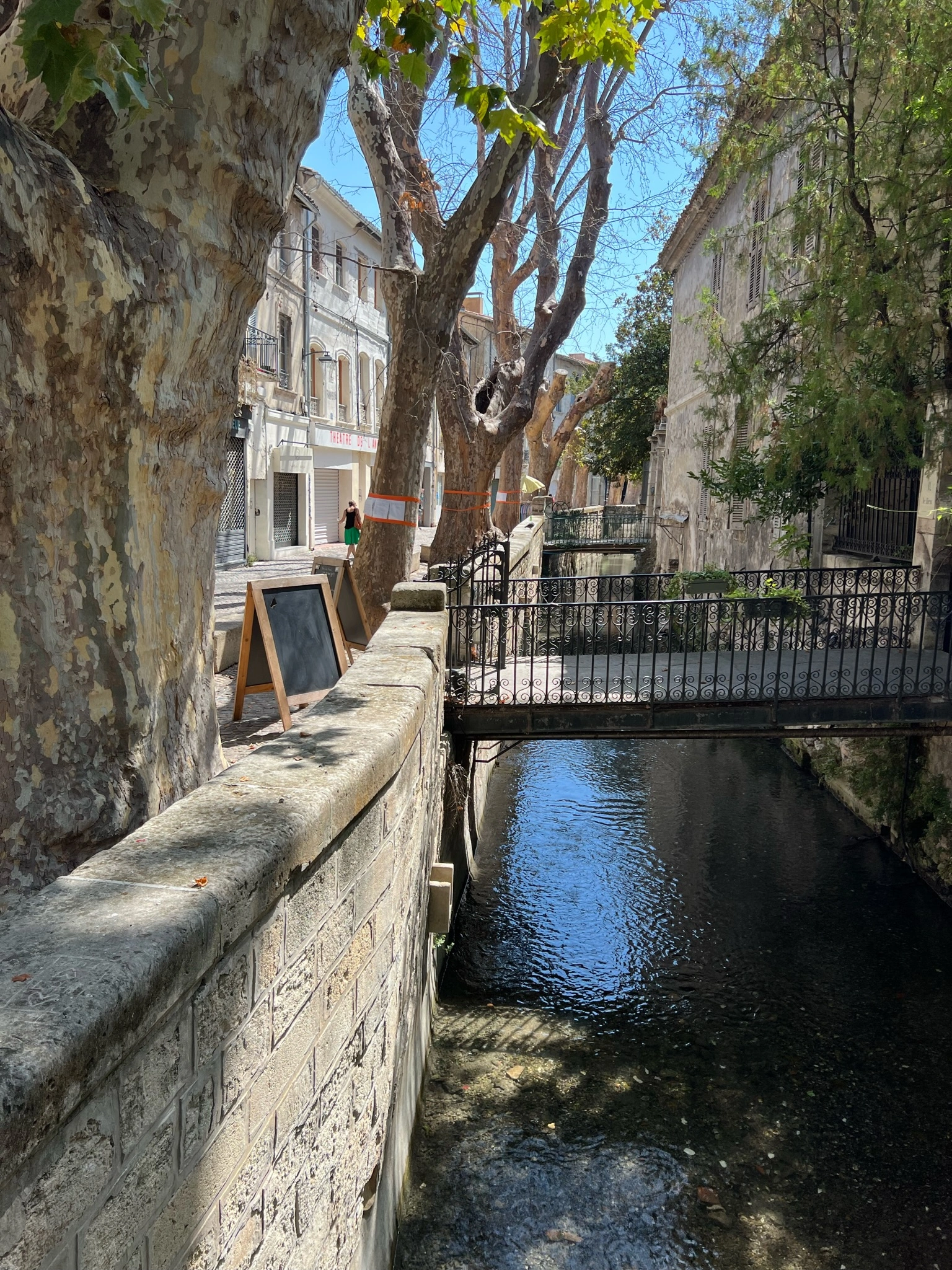
Idéalement située dans le centre historique d’Avignon, le projet se situe dans la rue des Teinturiers, à proximité de l’ensemble des commodités.
Son emplacement lui garantit d’être près des écoles et des transports et se situe dans le quartier le plus touristique de la ville, à seulement 10 minutes à pieds du Palais des Papes et de la gare SNCF.
Pendant le mois de juillet, la rue des Teinturiers s’anime et devient le lieu branché du Festival d’Avignon, les théâtres, restaurants et leurs terrasses donnent vie au quartier.
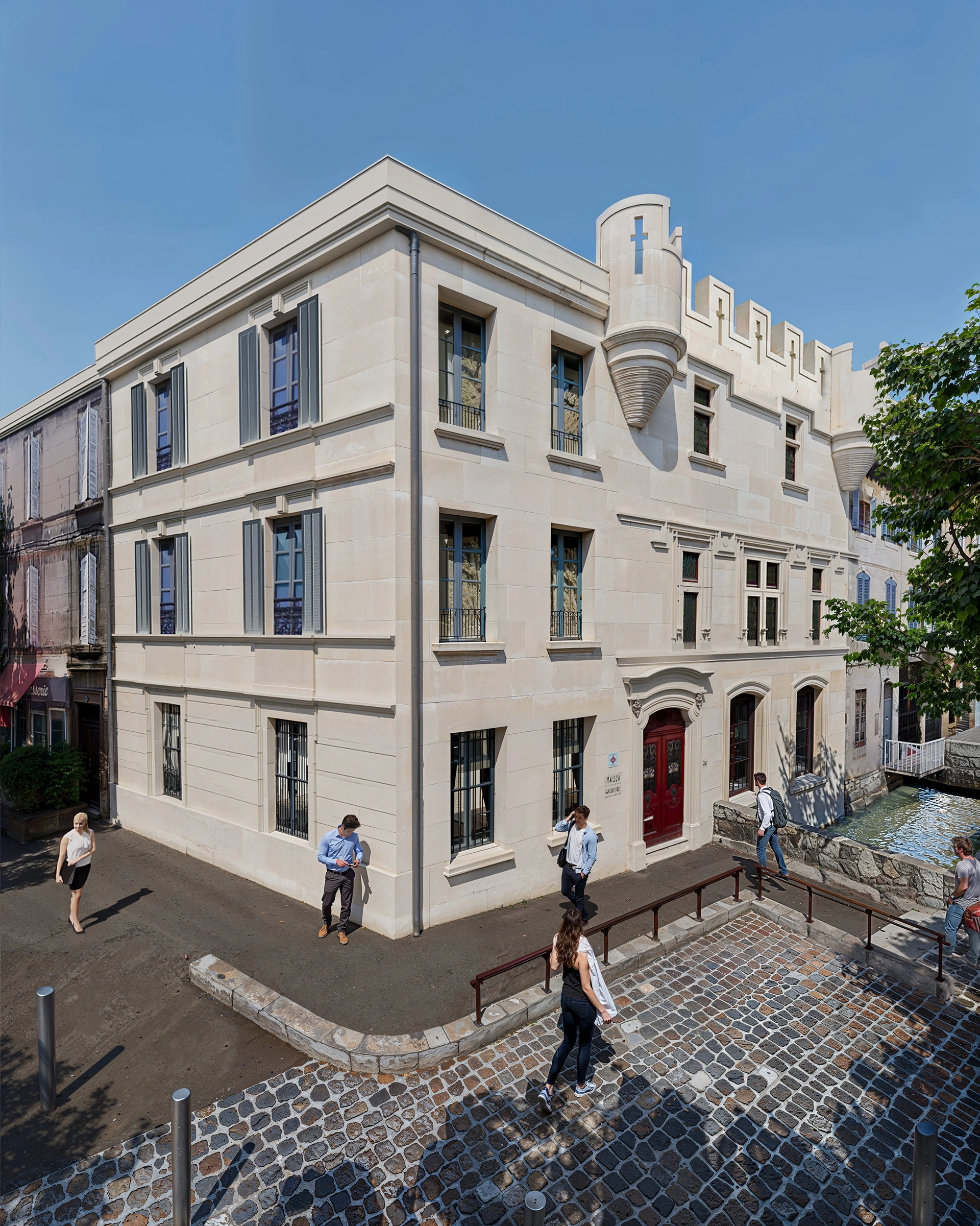
L'IMMEUBLE : 26, rue des Teinturiers
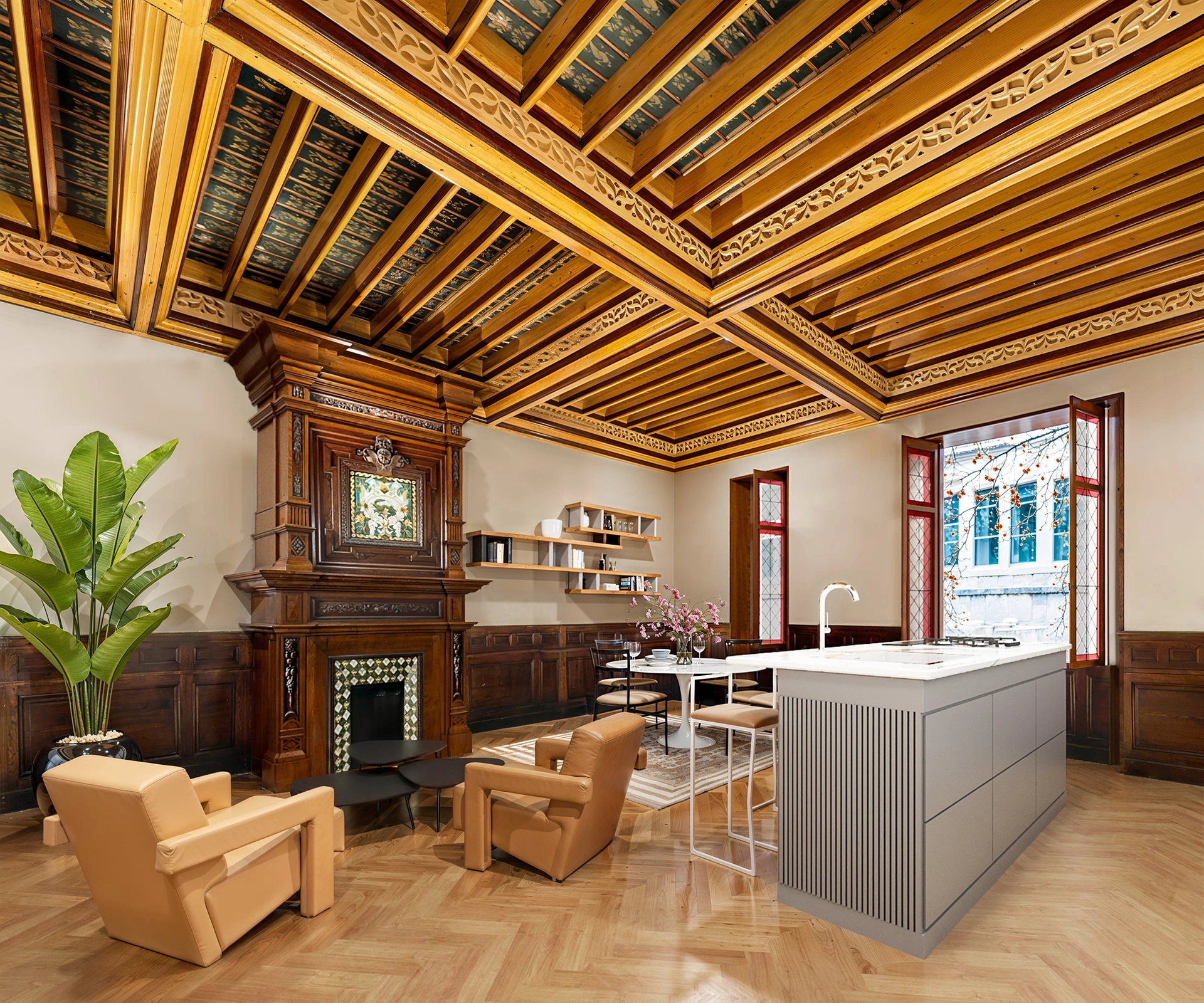
Son origine remonte à 1493, c'est l’une des dernières demeures gothiques d’Avignon. Elle est inscrite à l’Inventaire Supplémentaire des Monuments Historiques depuis 1927.
Ce projet remarquable est situé dans un « secteur archéologique inscrit » (décret du 4 juillet 1955) et dans un « site particulier classé » par le sol de la rue, les platanes qui la bordent ainsi que le canal et les roues (décret du 12 mai 1932).
L'immeuble date du XVe siècle pour la partie ouest, côté rue des Teinturiers et du XVIIIe siècle pour la partie Est, côté rue Guillaume Puy. Sur le plan architectural, on soulignera sa façade, dans sa partie datant de la Renaissance qui est ornée d’éléments architecturaux remarquables : deux gargouilles créneaux dont les merleaux sont ajourés d’arbalétières, des fenêtres à meneaux avec vitraux et deux échauguettes en angle.
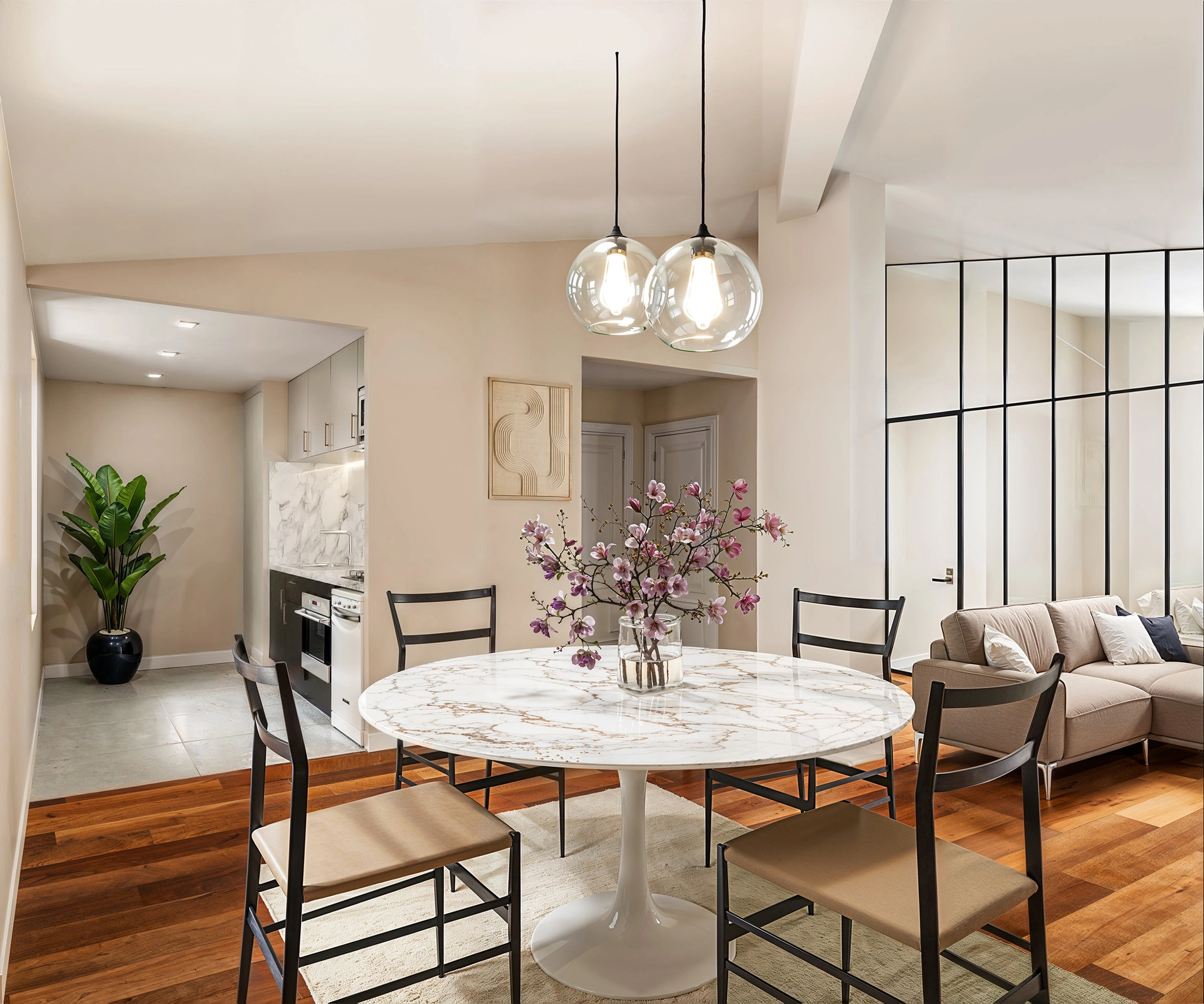
Le projet prévoit la restauration de l'immeuble en 4 appartements du studio bis au 2 pièces, avec des surfaces allant de 41 m² à 58 m².
2 locaux commerciaux en RDC viendront compléter cet ensemble remarquable.
AVIGNON : Aujourd'hui
Avignon a engagé un ensemble de grands travaux. Le but est de préserver le patrimoine d’exception avignonnais avec la restauration du Palais du Roure, des Tours du Palais, ainsi que la requalification des Jardins du Palais des Papes ou encore la requalification du Tour des Remparts.
Visualisez les photos du projet juste ici : Photos
Et ici la : Vidéo
Éligible loi Monument Historique - Déficit foncier
1 lot d'habitation disponible
-
PriceSurface areaCharacteristics
-
Apartment 46m2Floor : 2318 896€
-
318 896€46m2Floor : 2
Are you interested in this property? Contact us !




Legal guarantees: Financial completion guarantee, apparent defects guarantee, perfect completion guarantee, two-year guarantee, and ten-year guarantee.
Energy performance: RT2012 and RE2020
Accessibility to housing: disability standards, elevator, etc.
Standards: thermal, acoustic, etc.
A customizable home: modification works (bathtub, electrical outlet) and/or interior fittings such as tiling, painting, bathroom furniture, etc.
Reduced notary fees: approximately 3% vs. 7 to 8% for older properties
State aid: Zero-interest loan, Pinel scheme, etc.
Total or partial exemption from property tax: for the two years following the construction
Reduced VAT: Possibility of buying properties in ANRU zones and benefiting from a 5.5% VAT under certain income conditions.
First-time homebuyers can benefit from the zero-interest loan (PTZ) under certain income conditions.
First-time homebuyers refer to households that have not owned their primary residence in the two years preceding the loan offer and whose income does not exceed the established ceiling.
The assessment of income is based on the reference taxable income from the year N-2 of all the individuals intended to occupy the property.
The amounts of the PTZ and the income limits vary depending on the location of the property (Zone A, B, or C).
Searching for a property that meets your needs (get assistance from a specialized advisor from Capifrance)
Signing a reservation contract detailing the property (size, location, description), price, delivery date, etc. The buyer pays a deposit to the developer into an escrow account.
Financing the purchase with a loan and signing the loan offer
Signing the deed of sale at the notary's office, including all information about the property, the price and payment terms, the delivery date, and the guarantees.
Customizing the property and selecting materials in agreement with the developer (modification works).
Delivery of the property, allowing for the identification of any defects, which are addressed within a month following delivery by the companies involved in the construction.
RE2020 is the new energy and environmental regulation for all new construction. The developer commits to a certain level of building energy consumption and greenhouse gas emissions.
The aim is to design and build the future living spaces for the French population while pursuing three major objectives set by the government:
An objective of energy efficiency and energy decarbonization;
A reduction in the carbon footprint;
Ensuring comfort in case of extreme heat.
This guarantee applies for 10 years from the date of completion of the work. It protects against potential damages that could compromise the solidity of the construction and make it uninhabitable. Cracks, leaks, roofing problems, etc.: the builder is required to intervene if these damages are not due to normal wear and tear or poor maintenance of the dwelling.
Do you need advice for your real estate project? Contact a Capifrance advisor
