







New real estate development of 1 unit in La Colle-sur-Loup (06480)
Description of this new development in La Colle-sur-Loup
Investir sur la Côte d’Azur, dans l’arrière-pays niçois, au sein d’une destination prisée pour son art de vivre, son attractivité touristique internationale et son équilibre entre nature, patrimoine et proximité du littoral, au cœur d’une résidence conçue pour une exploitation touristique pérenne.
- Un emplacement premium entre mer, villages de caractère et bassin économique dynamique :
Située à La Colle-sur-Loup, à proximité immédiate de Saint-Paul-de-Vence, la résidence bénéficie :
D’un environnement exceptionnel au cœur de l’un des secteurs les plus recherchés des Alpes-Maritimes, à la fois authentique et très attractif
D’une proximité directe avec des destinations à forte notoriété : Saint-Paul-de-Vence, Vence, Cagnes-sur-Mer, Nice et l’ensemble du littoral azuréen
D’un accès rapide aux plages, ports, restaurants, zones commerciales et centres d’intérêt culturels de la région
D’un cadre naturel agréable et reposant, (balades, randonnées, découverte du patrimoine, activités familiales)
Cet emplacement conjugue accessibilité, valorisation patrimoniale du secteur et attractivité touristique
Une résidence adaptée au tourisme loisir et aux séjours multi-profils
- Gestionnaire, exploitation :
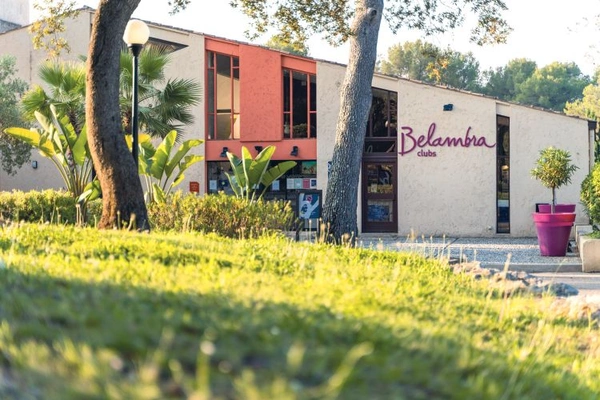
Exploitée par Belambra Clubs, acteur reconnu de la gestion de clubs de vacances en France
Des hébergements meublés, fonctionnels et conçus pour l’accueil touristique
Une organisation favorisant les séjours en famille ou entre amis, mais aussi les escapades en couple, les courts séjours et les clientèles recherchant une destination “soleil”
Une expérience orientée confort et praticité, avec des services facilitant l’exploitation et la satisfaction des vacanciers
La Côte d’Azur conserve une attractivité forte, portée par une clientèle française et internationale, et par une capacité à générer une demande soutenue sur une large période de l’année.
Un investissement structuré, lisible et sans contrainte de gestion
- Sur le plan patrimonial, l’opération présente plusieurs caractéristiques recherchées dans un investissement géré :
Bail commercial avec Belambra, apportant une visibilité sur l’exploitation et la délégation complète de la gestion locative
Un investissement sans contrainte opérationnelle : pas de gestion quotidienne, ni de recherche de locataires
Une logique patrimoniale permettant d’envisager une optimisation fiscale
Un marché soutenu par des facteurs structurels solides : notoriété du territoire, climat, offre culturelle, proximité des axes et attractivité économique régionale
La zone Saint-Paul-de-Vence / arrière-pays niçois constitue un socle particulièrement intéressant, grâce à son positionnement hautement valorisé et à sa capacité à attirer une clientèle variée tout au long de l’année.
Conclusion :
La résidence Belambra Clubs – La Colle-sur-Loup / Les Terrasses de Saint-Paul-de-Vence s’inscrit comme un actif immobilier cohérent et recherché, combinant :
Une localisation premium dans l’une des zones les plus attractives de France
Une dynamique durable, portée par le patrimoine, le climat et la proximité du littoral
Une exploitation professionnelle via un acteur établi
Un investissement sans contrainte de gestion
Un patrimoine positionné sur un marché à forte valeur touristique et patrimoniale
Un investissement patrimonial pertinent, destiné aux investisseurs recherchant un placement structuré, délégué, fiscalement optimisé et adossé à une destination pérenne et reconnue.
1 lot d'habitation disponible
-
PriceSurface areaCharacteristics
-
Apartment 12m2Floor : 150 828€
-
50 828€12m2Floor : 1
Are you interested in this property? Contact us !



Legal guarantees: Financial completion guarantee, apparent defects guarantee, perfect completion guarantee, two-year guarantee, and ten-year guarantee.
Energy performance: RT2012 and RE2020
Accessibility to housing: disability standards, elevator, etc.
Standards: thermal, acoustic, etc.
A customizable home: modification works (bathtub, electrical outlet) and/or interior fittings such as tiling, painting, bathroom furniture, etc.
Reduced notary fees: approximately 3% vs. 7 to 8% for older properties
State aid: Zero-interest loan, Pinel scheme, etc.
Total or partial exemption from property tax: for the two years following the construction
Reduced VAT: Possibility of buying properties in ANRU zones and benefiting from a 5.5% VAT under certain income conditions.
First-time homebuyers can benefit from the zero-interest loan (PTZ) under certain income conditions.
First-time homebuyers refer to households that have not owned their primary residence in the two years preceding the loan offer and whose income does not exceed the established ceiling.
The assessment of income is based on the reference taxable income from the year N-2 of all the individuals intended to occupy the property.
The amounts of the PTZ and the income limits vary depending on the location of the property (Zone A, B, or C).
Searching for a property that meets your needs (get assistance from a specialized advisor from Capifrance)
Signing a reservation contract detailing the property (size, location, description), price, delivery date, etc. The buyer pays a deposit to the developer into an escrow account.
Financing the purchase with a loan and signing the loan offer
Signing the deed of sale at the notary's office, including all information about the property, the price and payment terms, the delivery date, and the guarantees.
Customizing the property and selecting materials in agreement with the developer (modification works).
Delivery of the property, allowing for the identification of any defects, which are addressed within a month following delivery by the companies involved in the construction.
RE2020 is the new energy and environmental regulation for all new construction. The developer commits to a certain level of building energy consumption and greenhouse gas emissions.
The aim is to design and build the future living spaces for the French population while pursuing three major objectives set by the government:
An objective of energy efficiency and energy decarbonization;
A reduction in the carbon footprint;
Ensuring comfort in case of extreme heat.
This guarantee applies for 10 years from the date of completion of the work. It protects against potential damages that could compromise the solidity of the construction and make it uninhabitable. Cracks, leaks, roofing problems, etc.: the builder is required to intervene if these damages are not due to normal wear and tear or poor maintenance of the dwelling.
Do you need advice for your real estate project? Contact a Capifrance advisor
