







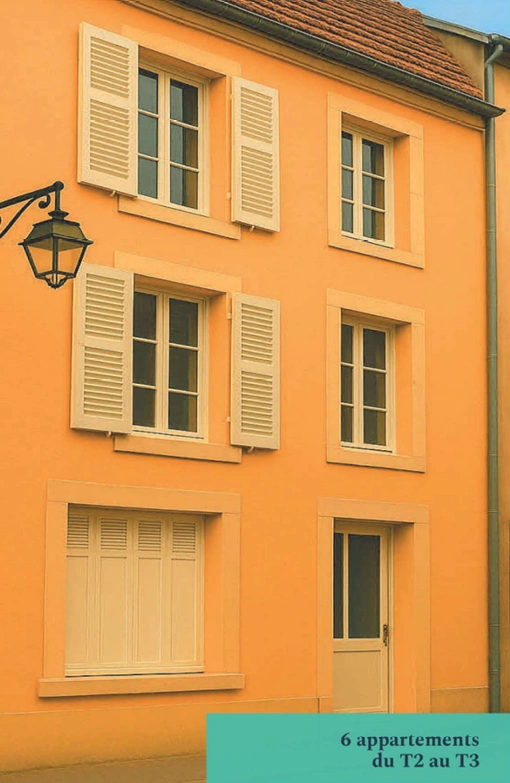
New real estate development of 1 unit in Riom (63200)
Description of this new development in Riom
Art et histoire au coeur de Riom
À quelques kilomètres de Chatel-Guyon, Riom est une étape à ne pas louper en voyage en Auvergne. Les férus d’histoire ou les amateurs de flânerie trouveront leur bonheur dans cette ville qui a traversé les siècles. Une journée de balade en couple ou en famille est idéale pour visiter Riom, dont le centre historique est reconnu secteur sauvegardé depuis 1967. Quels sont les lieux incontournables ? Découvrons-les ensemble !
Que faire à Riom ?
Pour découvrir la ville, il n’y a rien de mieux que se promener en son centre historique. Riom est un trésor d’histoire à ciel ouvert et les différents styles architecturaux entraînent les visiteurs dans un véritable voyage dans le temps.
L’architecture de Riom puise sa particularité dans le minéral. En effet, de nombreux bâtiments sont construits en pierre de Volvic, cette pierre grise qui s’assombrit avec le temps. Caractéristique de l’Auvergne, on la retrouve notamment sur la cathédrale de Clermont-Ferrand.
Les incontournables de Riom
Pour visiter Riom, rendez-vous à l’office de tourisme, où vous trouverez un itinéraire expliqué pour ne rien louper. Si vous le souhaitez, des visites guidées thématiques sont à disposition des curieux toute l’année et plus encore durant l’été. L’occasion de découvrir cette ville dynamique accompagné d’un conférencier.
Une ville de culture
La ville de Riom a entrepris d’importants travaux pour développer son pôle culturel. Dans une volonté de réhabiliter l’ancien pour créer du nouveau, un couvent des Génovéfains ainsi qu’un large espace nommé le Pré Madame ont été réaménagés afin d’accueillir les Jardins de la Culture. Ces nouvelles infrastructures concentrent la médiathèque, une école de musique et de sculpture, un espace d’exposition, un jardin végétal et un jardin minéral.
Derrière une porte massive, le musée Mandet abrite une collection de beaux-arts et d’arts décoratifs. On y trouve également une belle galerie dédiée à l’orfèvrerie contemporaine. Des expositions temporaires se mêlent habilement à l’exposition permanente, occupant ainsi tout l’espace du musée.
Le musée régional d’Auvergne abrite une collection ethnologique intéressante et permet de mieux comprendre le quotidien des Auvergnats de tout temps, leur travail d’artisanat ou agricole, leurs rites et coutumes ou encore leur vie domestique. Une plongée dans l’histoire de la région qui passionnera les petits comme les grands.
1 lot d'habitation disponible
-
PriceSurface areaCharacteristics
-
Apartment 69m2Floor : 0184 700€
-
184 700€69m2Floor : 0
Are you interested in this property? Contact us !





Legal guarantees: Financial completion guarantee, apparent defects guarantee, perfect completion guarantee, two-year guarantee, and ten-year guarantee.
Energy performance: RT2012 and RE2020
Accessibility to housing: disability standards, elevator, etc.
Standards: thermal, acoustic, etc.
A customizable home: modification works (bathtub, electrical outlet) and/or interior fittings such as tiling, painting, bathroom furniture, etc.
Reduced notary fees: approximately 3% vs. 7 to 8% for older properties
State aid: Zero-interest loan, Pinel scheme, etc.
Total or partial exemption from property tax: for the two years following the construction
Reduced VAT: Possibility of buying properties in ANRU zones and benefiting from a 5.5% VAT under certain income conditions.
First-time homebuyers can benefit from the zero-interest loan (PTZ) under certain income conditions.
First-time homebuyers refer to households that have not owned their primary residence in the two years preceding the loan offer and whose income does not exceed the established ceiling.
The assessment of income is based on the reference taxable income from the year N-2 of all the individuals intended to occupy the property.
The amounts of the PTZ and the income limits vary depending on the location of the property (Zone A, B, or C).
Searching for a property that meets your needs (get assistance from a specialized advisor from Capifrance)
Signing a reservation contract detailing the property (size, location, description), price, delivery date, etc. The buyer pays a deposit to the developer into an escrow account.
Financing the purchase with a loan and signing the loan offer
Signing the deed of sale at the notary's office, including all information about the property, the price and payment terms, the delivery date, and the guarantees.
Customizing the property and selecting materials in agreement with the developer (modification works).
Delivery of the property, allowing for the identification of any defects, which are addressed within a month following delivery by the companies involved in the construction.
RE2020 is the new energy and environmental regulation for all new construction. The developer commits to a certain level of building energy consumption and greenhouse gas emissions.
The aim is to design and build the future living spaces for the French population while pursuing three major objectives set by the government:
An objective of energy efficiency and energy decarbonization;
A reduction in the carbon footprint;
Ensuring comfort in case of extreme heat.
This guarantee applies for 10 years from the date of completion of the work. It protects against potential damages that could compromise the solidity of the construction and make it uninhabitable. Cracks, leaks, roofing problems, etc.: the builder is required to intervene if these damages are not due to normal wear and tear or poor maintenance of the dwelling.
Do you need advice for your real estate project? Contact a Capifrance advisor
