






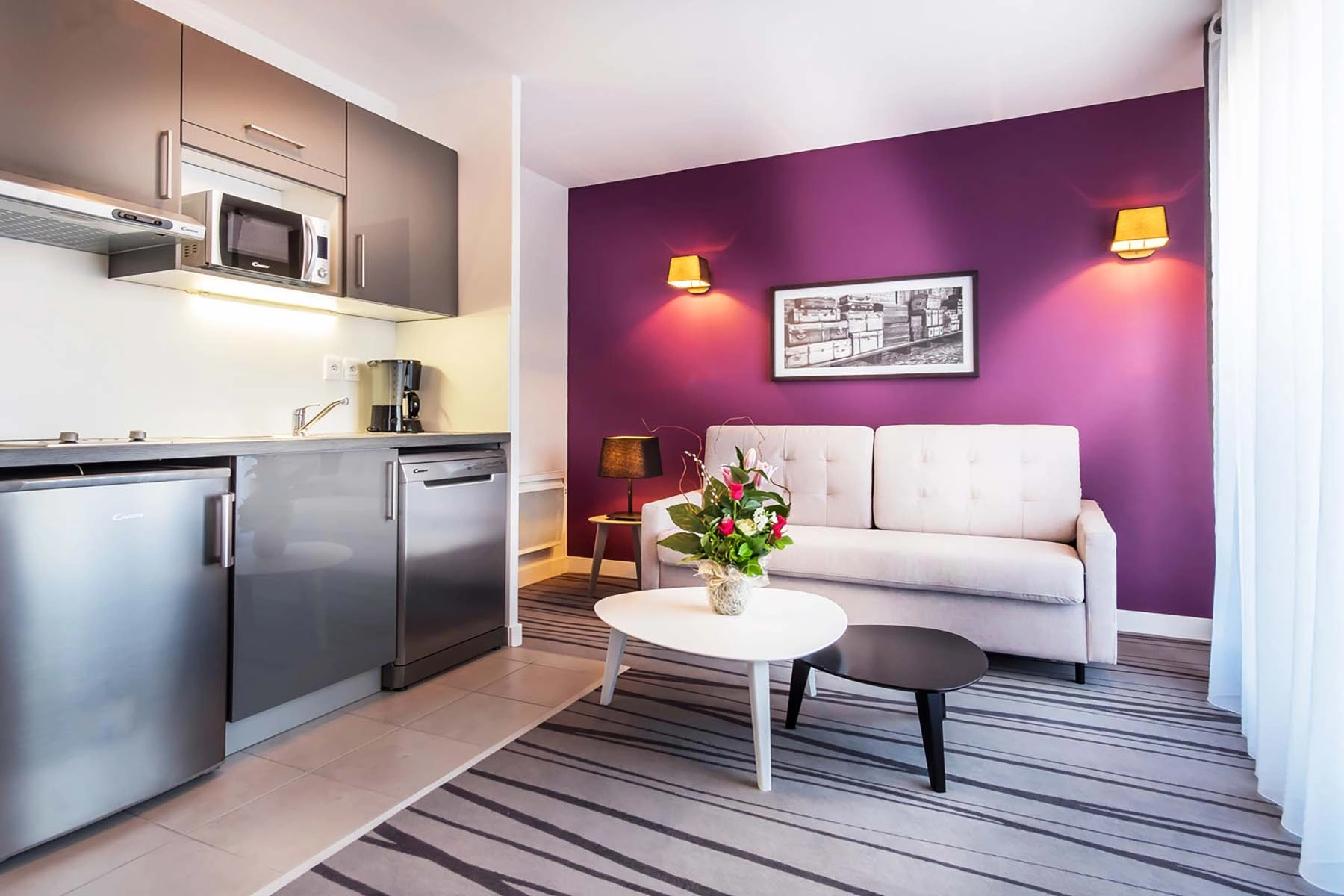
New real estate development of 1 unit in Tours (37000)
Description of this new development in Tours
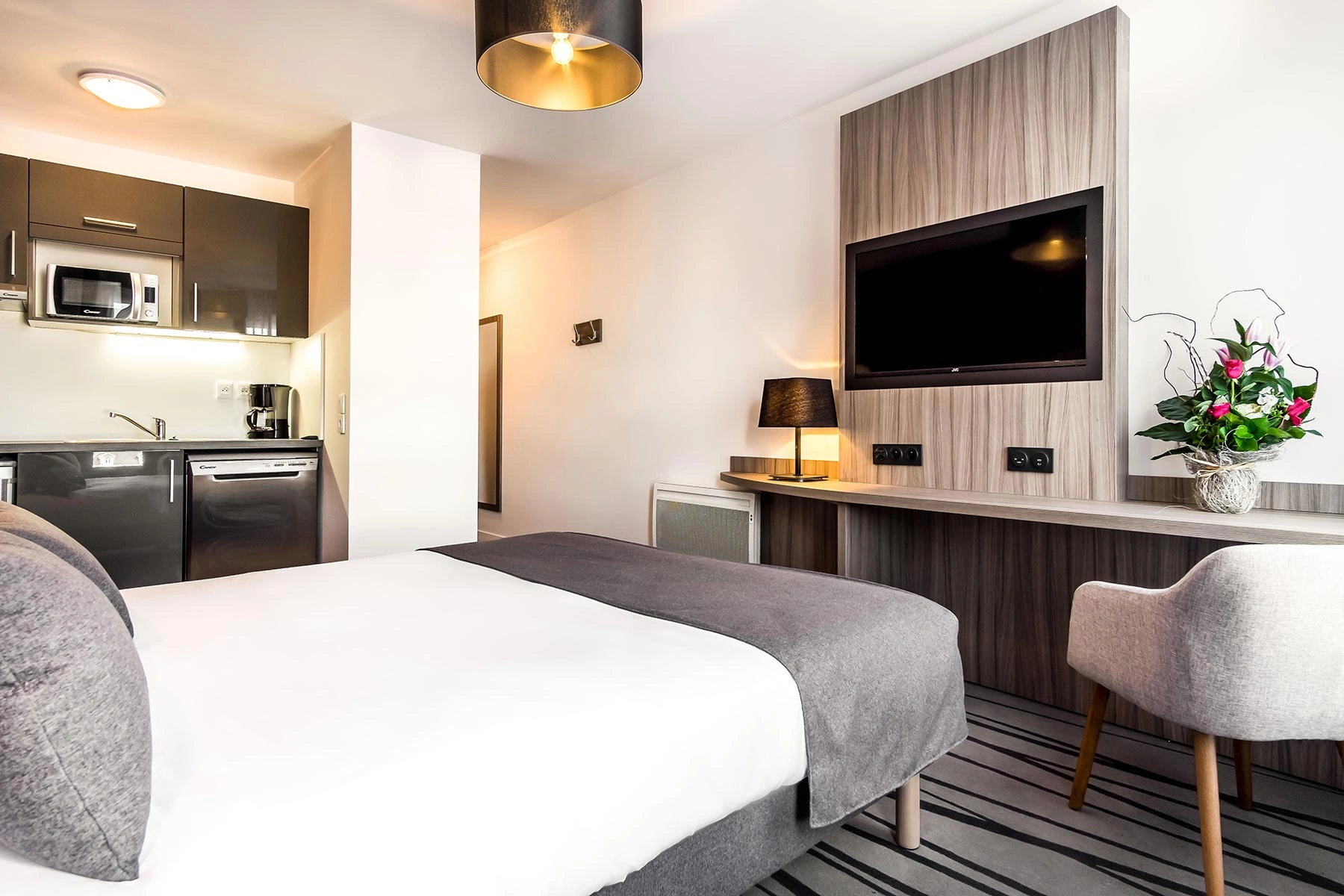
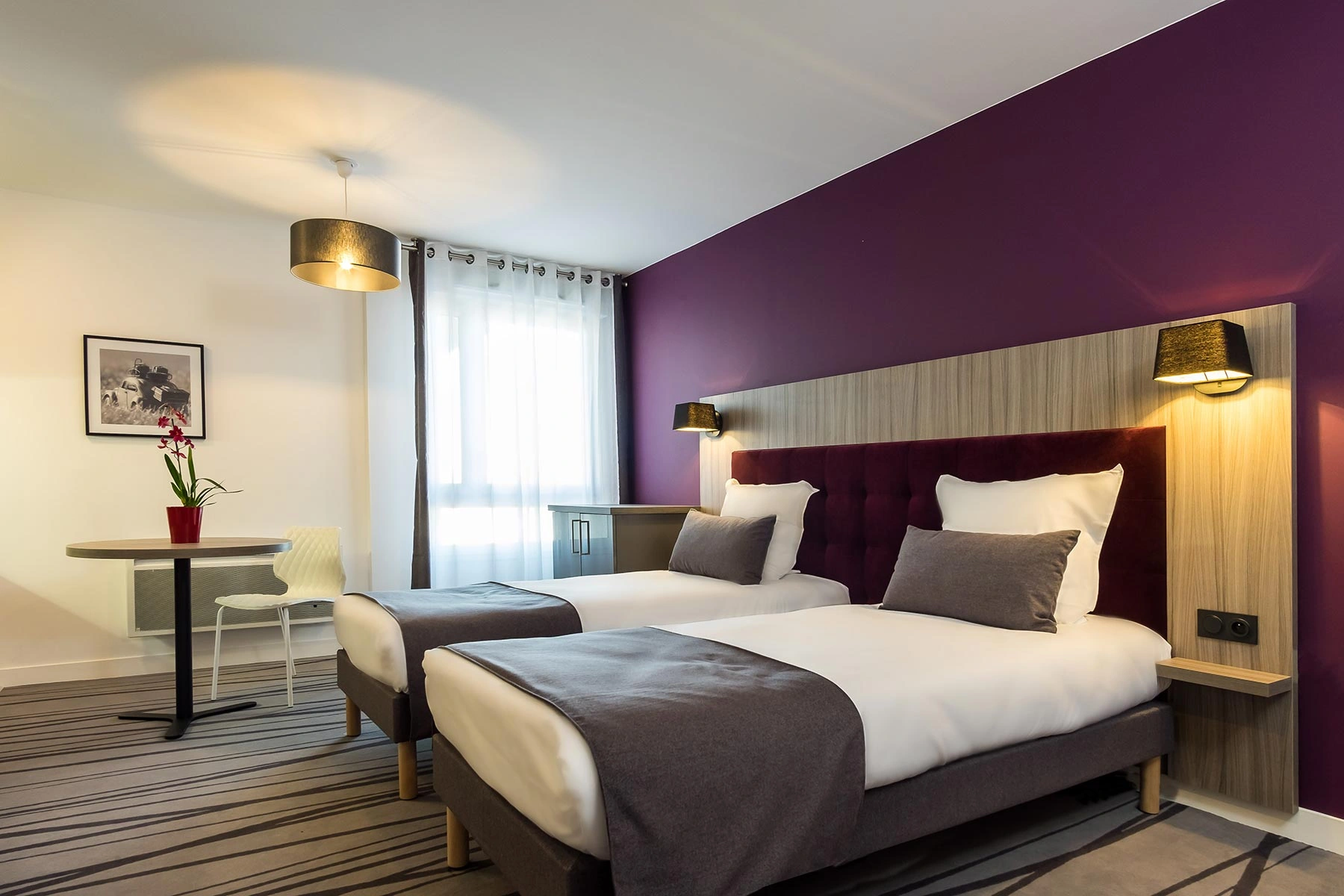
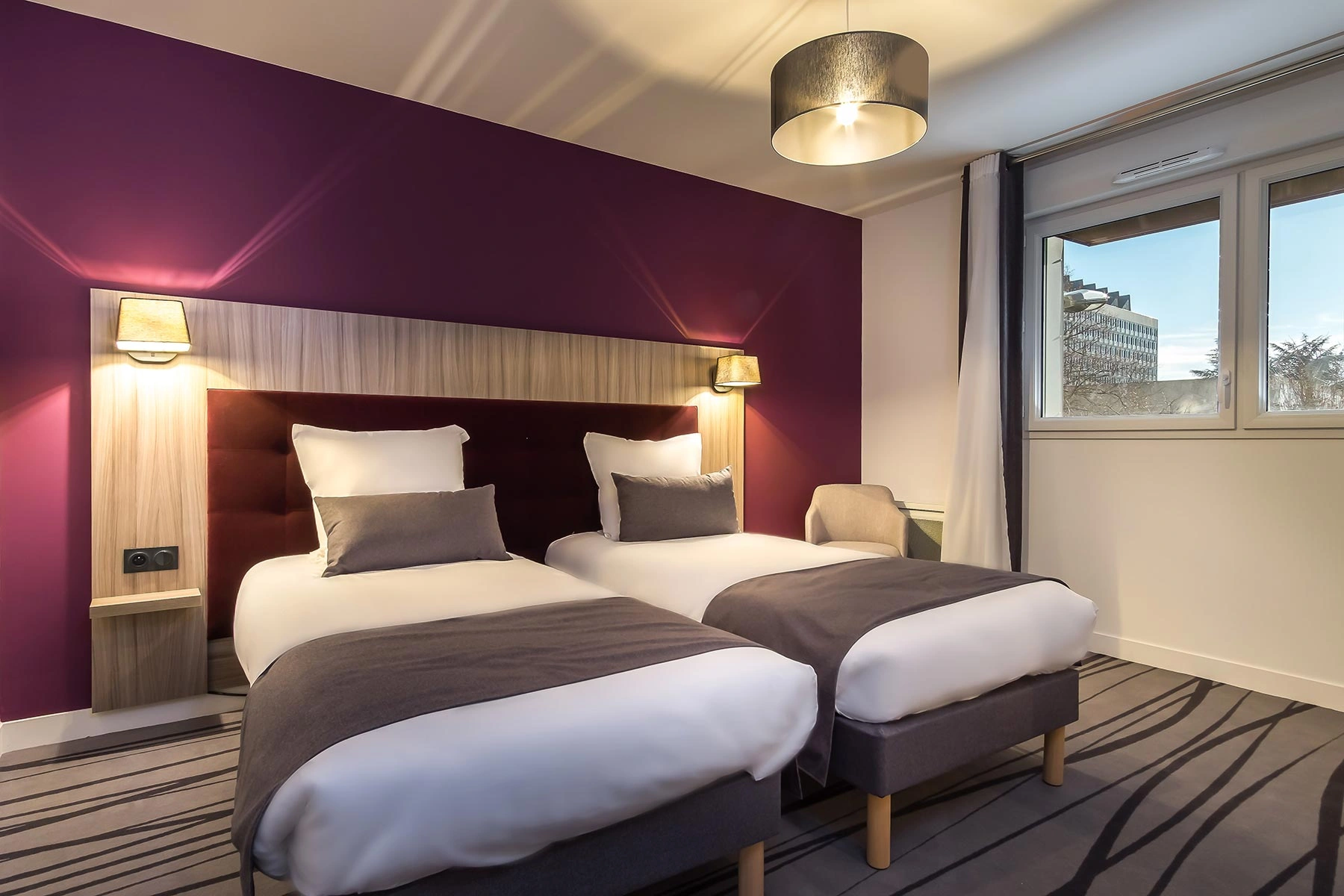
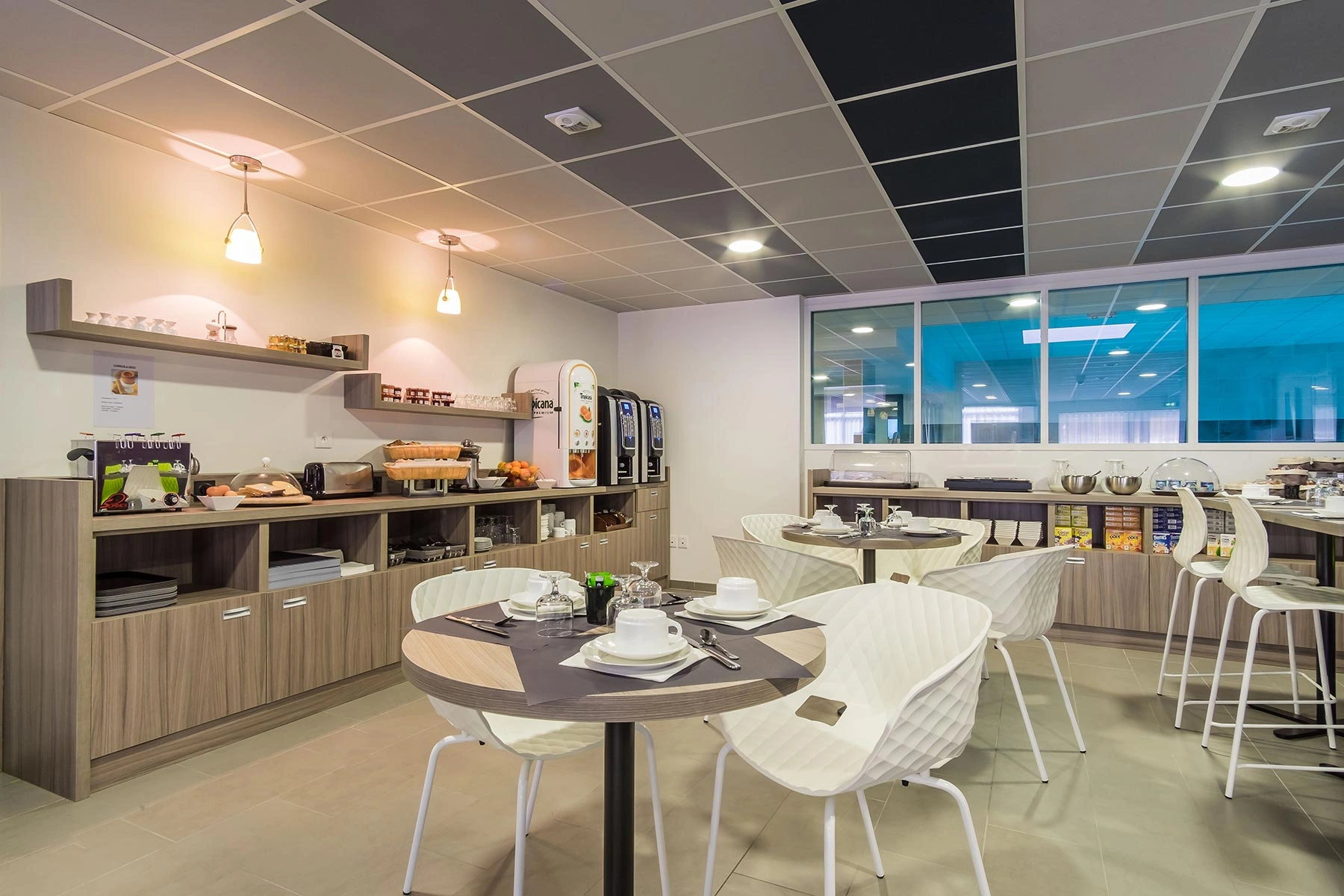
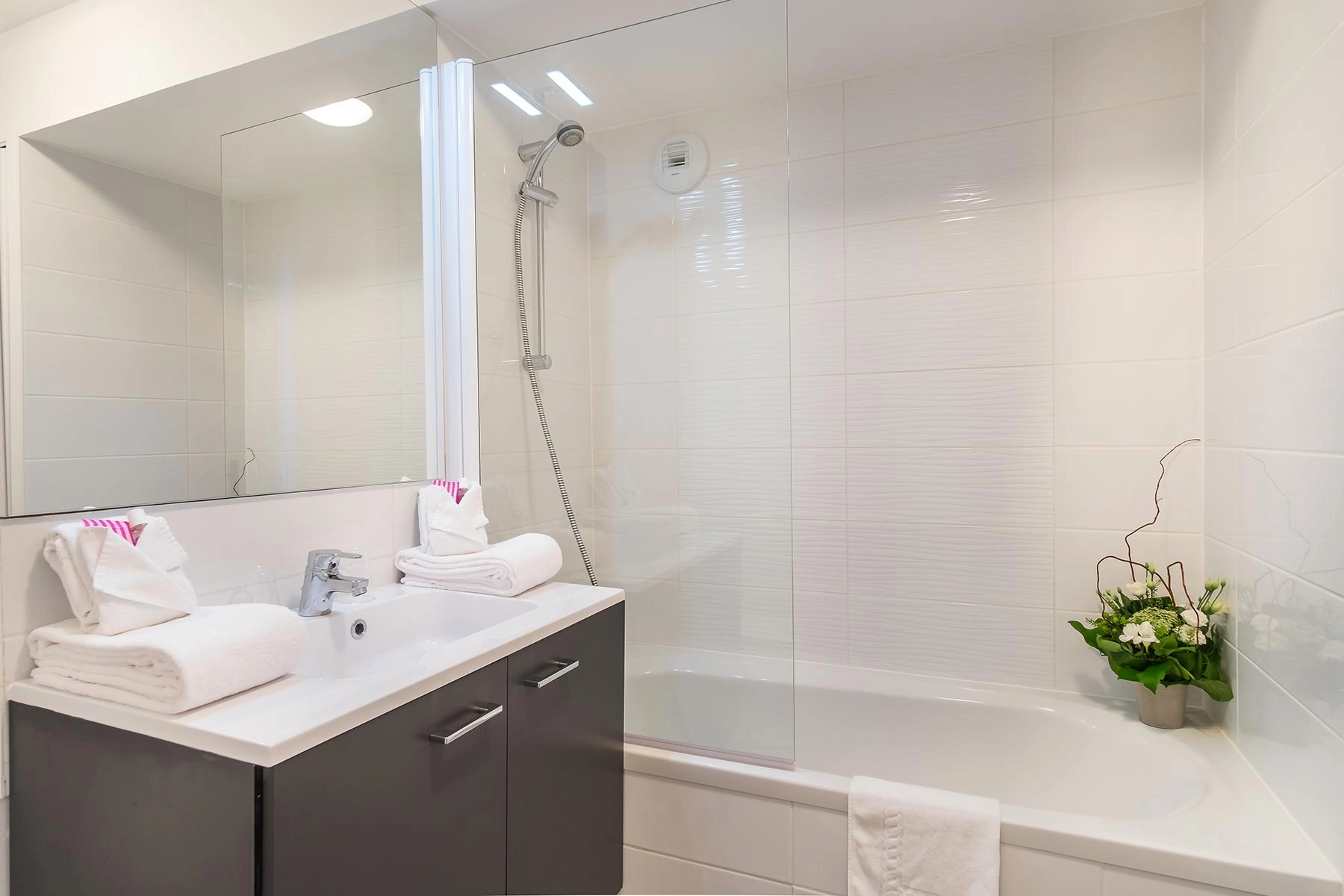
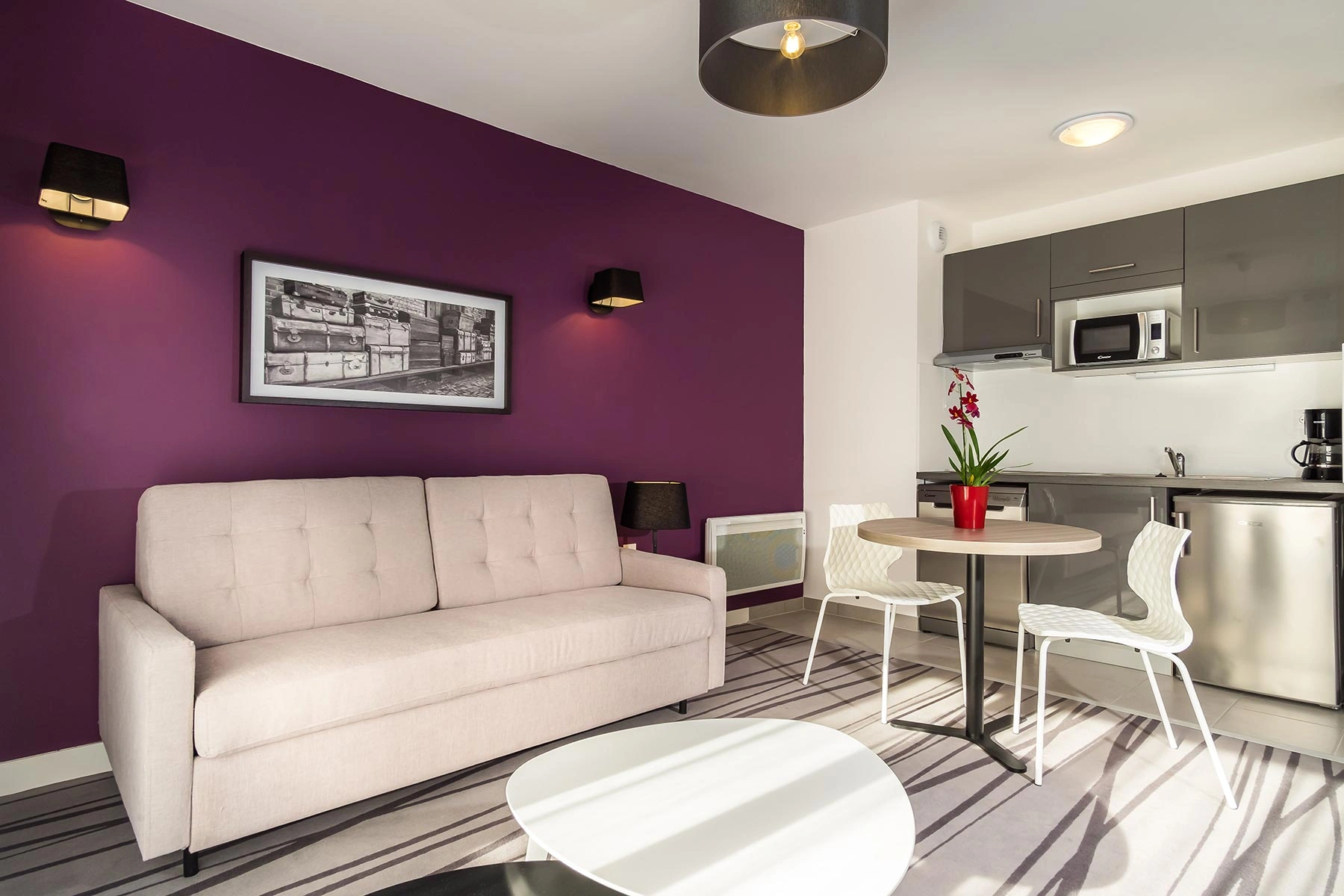
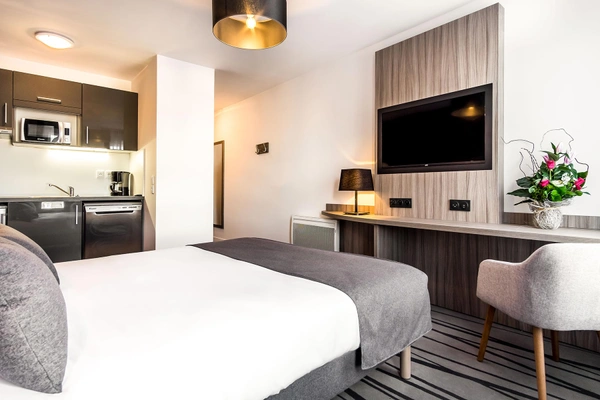
Située au cœur de Tours, la résidence hôtelière Nemea Appart’Hôtel – classée résidence de tourisme 3 étoiles offre 105 appartements. Elle conjugue l’indépendance d’un logement équipé et les services d’un hôtel, idéale pour un séjour d’affaires ou de loisirs ; elle affiche d'ailleurs un taux d'occupation de 76%.
Tout à côté du tramway, elle bénéficie d'une localisation stratégique à moins de 300 m de la gare SNCF Tours-Centre et du Centre International des Congrès Vinci ; et à 5 min à pied du centre-ville historique.
Au départ de la résidence, on rejoint ainsi rapidement :
le Vieux-Tours, la Cathédrale Saint-Gatien et la basilique Saint-Martin,
les bords de Loire (itinéraire cyclable « La Loire à vélo »),
les châteaux emblématiques de la vallée (Amboise, Villandry, Chenonceau…) accessibles en moins d’une heure.
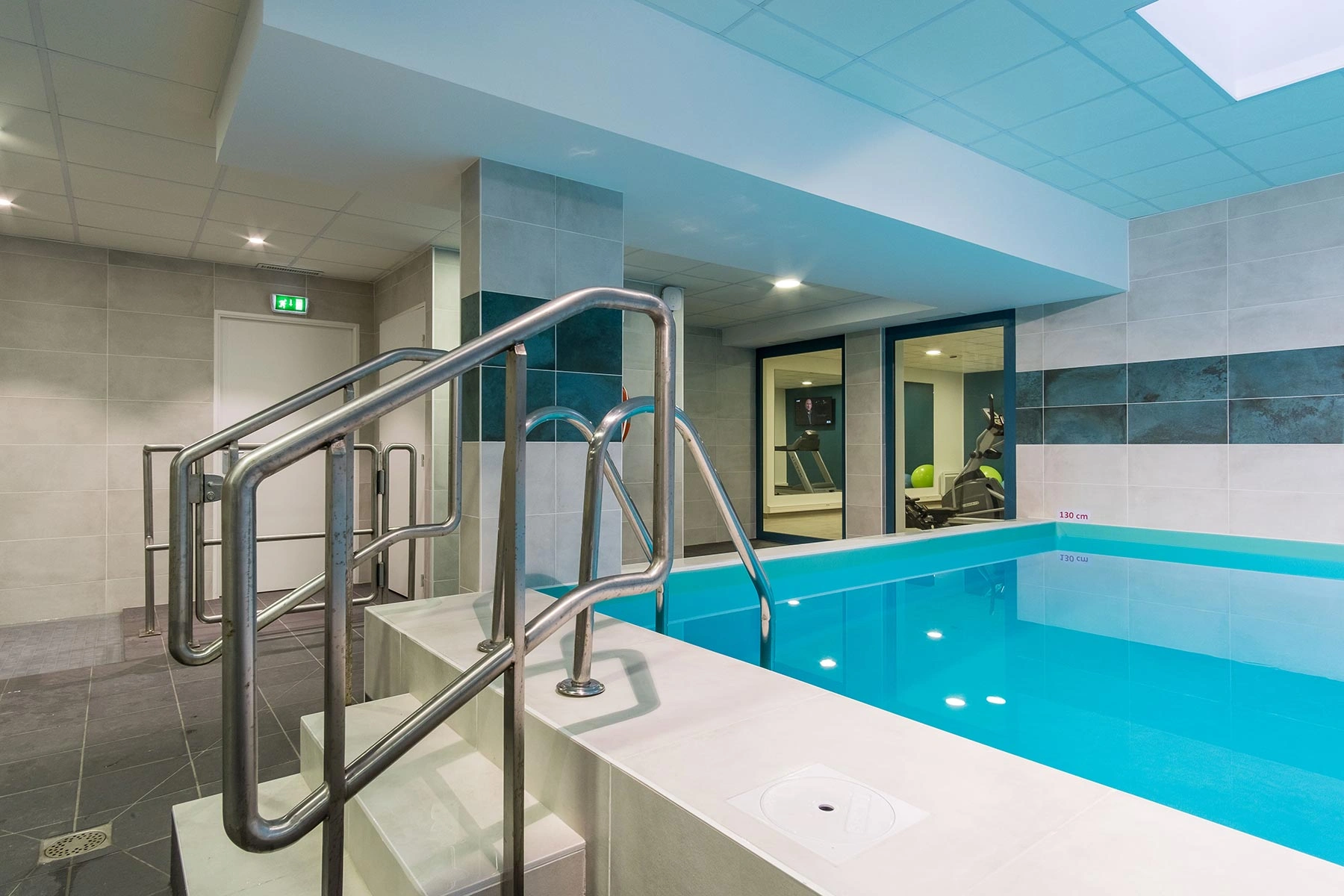
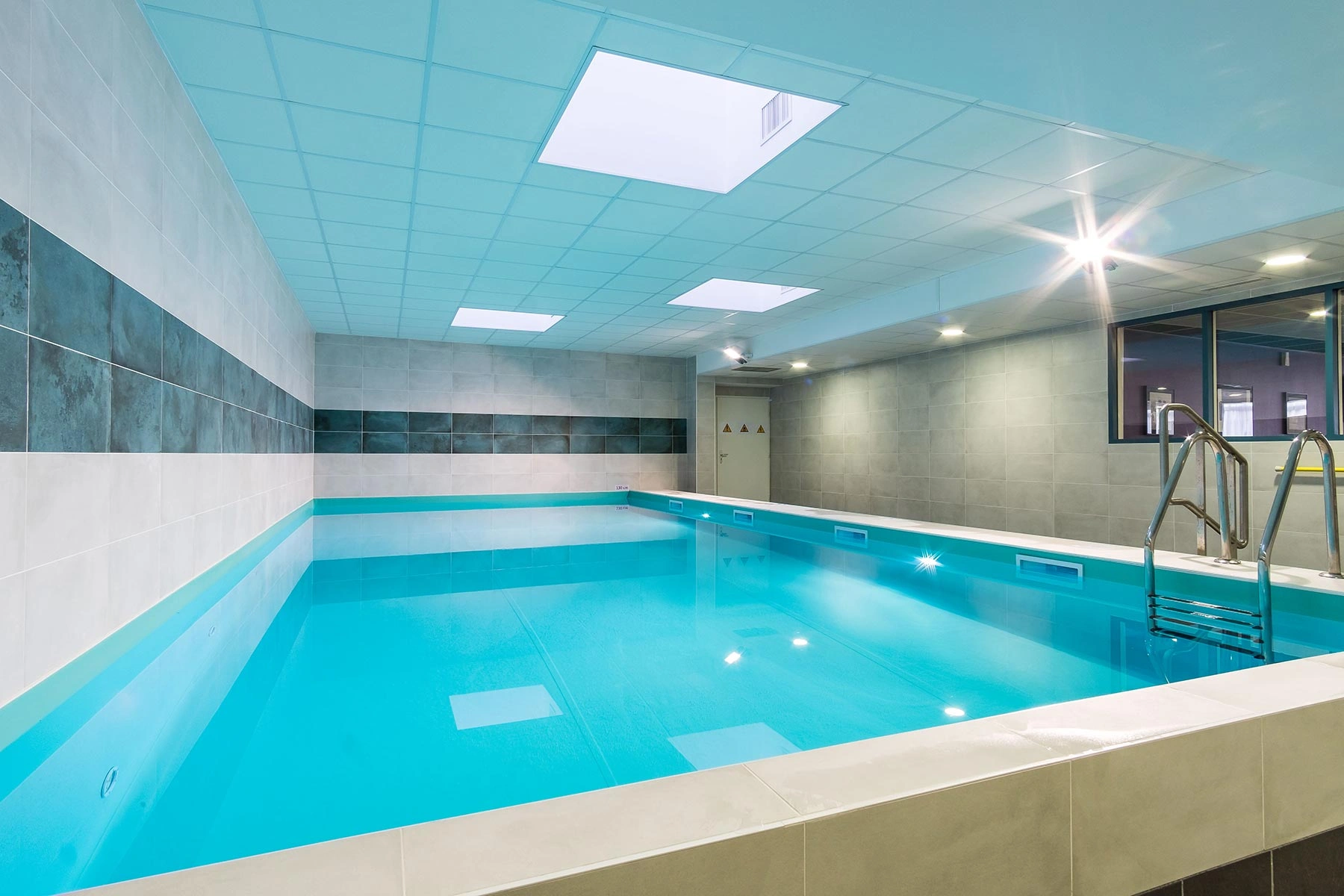
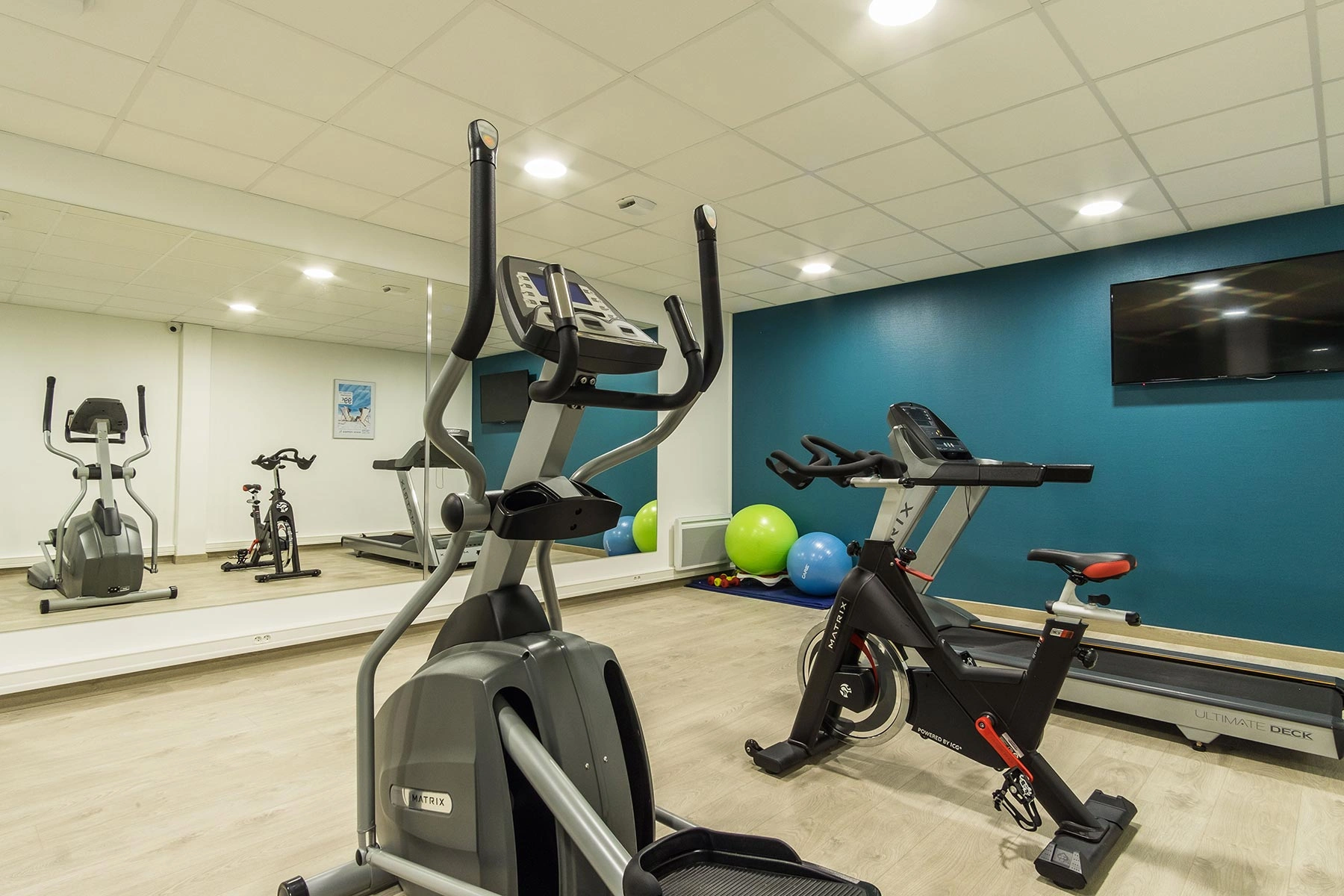
Au-delà de son emplacement, la résidence offre également de nombreux services de qualité aux touristes de passage, à savoir : une piscine intérieure chauffée, une salle de fitness, une laverie automatique et un local vélo ce qui lui permet notamment de bénéficier du label "vélo et mobilité douce" idéal pour les itinérants de la Loire.
En synthèse, que ce soit pour un déplacement professionnel ou un city-trip à la découverte des châteaux de la Loire, la résidence Nemea Appart’Hôtel constitue une adresse moderne, confortable et parfaitement située à Tours.
1 lot d'habitation disponible
-
PriceSurface areaCharacteristics
-
Apartment 33m2Floor : 4134 428€
-
134 428€33m2Floor : 4
Are you interested in this property? Contact us !



Legal guarantees: Financial completion guarantee, apparent defects guarantee, perfect completion guarantee, two-year guarantee, and ten-year guarantee.
Energy performance: RT2012 and RE2020
Accessibility to housing: disability standards, elevator, etc.
Standards: thermal, acoustic, etc.
A customizable home: modification works (bathtub, electrical outlet) and/or interior fittings such as tiling, painting, bathroom furniture, etc.
Reduced notary fees: approximately 3% vs. 7 to 8% for older properties
State aid: Zero-interest loan, Pinel scheme, etc.
Total or partial exemption from property tax: for the two years following the construction
Reduced VAT: Possibility of buying properties in ANRU zones and benefiting from a 5.5% VAT under certain income conditions.
First-time homebuyers can benefit from the zero-interest loan (PTZ) under certain income conditions.
First-time homebuyers refer to households that have not owned their primary residence in the two years preceding the loan offer and whose income does not exceed the established ceiling.
The assessment of income is based on the reference taxable income from the year N-2 of all the individuals intended to occupy the property.
The amounts of the PTZ and the income limits vary depending on the location of the property (Zone A, B, or C).
Searching for a property that meets your needs (get assistance from a specialized advisor from Capifrance)
Signing a reservation contract detailing the property (size, location, description), price, delivery date, etc. The buyer pays a deposit to the developer into an escrow account.
Financing the purchase with a loan and signing the loan offer
Signing the deed of sale at the notary's office, including all information about the property, the price and payment terms, the delivery date, and the guarantees.
Customizing the property and selecting materials in agreement with the developer (modification works).
Delivery of the property, allowing for the identification of any defects, which are addressed within a month following delivery by the companies involved in the construction.
RE2020 is the new energy and environmental regulation for all new construction. The developer commits to a certain level of building energy consumption and greenhouse gas emissions.
The aim is to design and build the future living spaces for the French population while pursuing three major objectives set by the government:
An objective of energy efficiency and energy decarbonization;
A reduction in the carbon footprint;
Ensuring comfort in case of extreme heat.
This guarantee applies for 10 years from the date of completion of the work. It protects against potential damages that could compromise the solidity of the construction and make it uninhabitable. Cracks, leaks, roofing problems, etc.: the builder is required to intervene if these damages are not due to normal wear and tear or poor maintenance of the dwelling.
Do you need advice for your real estate project? Contact a Capifrance advisor
