






Timber frame houses are increasingly appealing to buyers in France thanks to their thermal performance and the speed of their construction. This construction method is based on a load-bearing wooden structure combined with insulation and an exterior cladding, which gives it real advantages but also specific maintenance requirements. Before committing, it is essential to understand its construction principle, its concrete advantages and the points to check during the viewing.
In summary
- Timber frame houses generally offer very good thermal performance and often have a favorable EPC rating, thanks to the insulation integrated between the load-bearing studs.
- Their light weight makes certain types of foundations and extension or vertical extension projects easier, while also reducing construction time.
- The main points to watch concern the quality of the original construction, the maintenance of the cladding and the management of moisture at the base of the walls.
- When properly maintained, a timber house is just as durable as a traditional construction: fire resistance is regulated and the material's lifespan has been proven over several decades.
Definition and types of timber construction
The principle of a timber frame house
A timber frame house is based on a load-bearing structure made up of wooden studs and rails, assembled to form panels. These panels are filled with insulation, wood wool, cellulose wadding or mineral wool depending on the project, making it possible to integrate the insulation directly into the thickness of the walls. The exterior finish, on the other hand, is independent of the structure: timber cladding, render, composite panels or stone facing can cover the facade, which explains why two timber frame houses can have completely different appearances.
Other timber construction techniques
Timber framing is not the only timber construction technique. Post-and-beam construction relies on large vertical and horizontal load-bearing elements, often left exposed, allowing for large glazed openings and a more contemporary architectural style. Stacked log construction, or solid timber construction, uses massive logs or beams stacked on top of one another, which serve both as the structure and as the finished wall, without an intermediate frame. Each technique has its own thermal, aesthetic and budgetary characteristics, which should be compared according to your project. If you are in the research phase, our property listings allow you to identify properties built using these different techniques.
The advantages of a timber frame house
Thermal performance and EPC rating
Wood is a naturally insulating material, and timber framing makes it possible to integrate a significant thickness of insulation without overloading the structure. As a result, these houses often have good thermal performance, which generally translates into a favorable energy performance certificate (EPC) rating, provided that airtightness and ventilation have been properly addressed during construction.
Lightweight structure: easier foundations and extensions
A timber frame weighs significantly less than a construction made of concrete blocks or concrete. This light weight can sometimes simplify foundations on less load-bearing soils, and facilitates horizontal extension or vertical extension projects, since the existing or additional structure places less stress on the building.
Fast construction and dry construction site
Frame elements are often prefabricated in a workshop and then assembled on site, which significantly reduces construction times compared with traditional construction. The construction site is also “drier”, with less water being used than for masonry structural work, which limits drying times before the building is made watertight.
Environmental footprint and hygrometric comfort
Wood is a renewable resource that stores carbon, and its processing generally requires less energy than that of mineral materials, giving these constructions an often lower environmental footprint over their entire life cycle. In addition, wood naturally regulates ambient humidity, contributing to pleasant hygrometric comfort inside the home.
Points to watch when buying
Quality of the original construction
The qualities of a timber frame house depend almost entirely on the care taken during its construction. Poorly installed insulation, an incorrectly installed rain screen or vapor barrier, or neglected airtightness can cancel out a significant part of the expected benefits. It is therefore useful to find out about the original builder and, if possible, consult the technical documents from the construction project.
Exterior cladding maintenance
Depending on the material chosen, the cladding requires more or less regular maintenance: raw or stained timber cladding requires periodic treatment to preserve its appearance and protection, while pre-weathered timber or composite cladding requires less attention. During a viewing, it is advisable to ask for the maintenance history of the facade.
Moisture management and rising damp
The base of the wall is a sensitive point in a timber frame structure: a poorly designed foundation plinth or a lack of low-level ventilation can encourage rising damp and, over time, damage the structure. It is important to check for signs of moisture, mold or suspicious odors at the bottom of the walls, particularly in the most exposed rooms.
Warranties: structural damage insurance and ten-year liability
As with any new construction, a timber frame house must be covered by structural damage insurance taken out by the original project owner, and the builder remains liable under the ten-year warranty for ten years. Always ask for the corresponding certificates as well as the invoices from the companies involved, as this secures your purchase in the event of subsequent defects.
Treatments against wood-boring insects
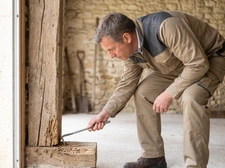
The structural timber must have received preventive treatment against wood-boring insects (termites, longhorn beetles) and wood-decaying fungi, in accordance with the standards in force. This treatment, generally mentioned in the construction documents, should be checked, as should the absence of signs of infestation during the viewing.
Common misconceptions to correct
“Wood burns more easily”: what the regulations say
Contrary to a widespread misconception, the fire resistance of timber frame houses is strictly regulated and subject to standardized testing, just like traditional construction. In many cases, solid timber burns slowly, forming a protective charred layer, which gives it predictable fire behavior that is often comparable to that of other construction materials.
“Wood does not last over time”: the reality of durability
Many timber frame constructions, including century-old ones, demonstrate that this material can withstand the passage of time without difficulty, provided it is properly maintained. The durability of a timber house depends above all on the quality of the original design, the choice of timber species, the treatments applied and regular monitoring of the cladding and areas sensitive to moisture.
Impact on resale value and home insurance
Resale value
The resale value of a timber frame house depends mainly on its overall condition, location and EPC rating, as with any property. The construction method itself is neither systematically a disadvantage nor an advantage, but a well-maintained property with good energy performance generally holds its value better on the market. To find out the current value of your project or the property you are considering, a free property valuation remains the most reliable starting point.
Home insurance: sometimes specific conditions
Some insurers apply specific conditions to timber frame houses, particularly regarding fire cover, sometimes with a deductible or premium adjusted according to the type of cladding or the presence of a wood-burning stove. It is therefore recommended to compare several home insurance quotes before purchasing, explicitly stating the construction method of the property.
Practical tips for assessing a timber frame house during a viewing
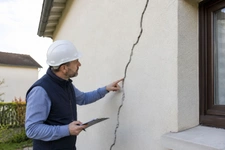
During the viewing, carefully examine the condition of the cladding, the presence of cracks, discolored areas or signs of moisture at the base of the wall. Ask for the construction technical file, the structural damage insurance and ten-year liability certificates, as well as any diagnostics or treatments carried out against wood-boring insects. Do not hesitate to ask the owners about the cladding maintenance history and the home's thermal behavior in summer and winter. To make this assessment more secure, the assistance of a local Capifrance real estate advisor can make a difference, particularly in identifying points that should be checked by a building professional before you commit.
Conclusion
Buying a timber frame house means choosing a construction method that performs well in terms of thermal and environmental efficiency, provided that particular attention is paid to the quality of its original construction and its maintenance over time. Common misconceptions about the fragility or lack of durability of wood do not stand up to examination of the facts, provided that the construction complies with current standards and receives regular monitoring. A careful viewing, supported by the right documents and, if necessary, the expertise of a professional, will allow you to buy with confidence.
FAQ
Does a timber frame house cost more than a traditional house?
The cost depends mainly on the quality of the materials, the insulation chosen and the level of finish, rather than on the construction method itself. For equivalent specifications, the price difference with traditional construction is often limited, and the speed of construction can partly offset certain costs.
Is the EPC rating of a timber frame house always excellent?
Not necessarily: the EPC rating depends on the thickness and quality of the insulation, airtightness and the heating system, not solely on the construction method. A poorly insulated or poorly ventilated timber frame house can receive a poor EPC rating, which is why it is important to check the actual energy performance certificate of the property being viewed.
Does a timber frame house require specific maintenance?
Maintenance mainly concerns the exterior cladding, the frequency of which varies according to the material: raw timber cladding requires periodic treatment, unlike composite or pre-weathered cladding. The internal structure itself does not require any particular maintenance if it was properly constructed and protected from the outset.
Do banks easily finance the purchase of a timber frame house?
Yes, the purchase of a timber frame house is financed like any other property, without any specific condition related to the construction method. Banks assess the application according to the usual criteria: condition of the property, location, the buyer's income and down payment.
How can you check the reliability of a timber frame house before buying?
Ask for the construction documents, the structural damage insurance and ten-year liability certificates, as well as the maintenance history of the cladding. It is also advisable to have an assessment carried out by a building professional if there are any doubts about the condition of the structure or insulation.
Is a timber frame house more susceptible to pests?
No, provided that the structural timber has received the required preventive treatments against wood-boring insects and wood-decaying fungi. These treatments, combined with good moisture management, make the risk comparable to that of any other construction material that is sensitive to moisture.
Author
Frédéric Rémy – Director of Sales Performance

A real estate professional with several years of experience within the Capifrance network, I would like to share essential advice with you to help you successfully complete your property project with our advisors.