






New real estate development of 1 unit in Rennes (35000)
Description of this new development in Rennes
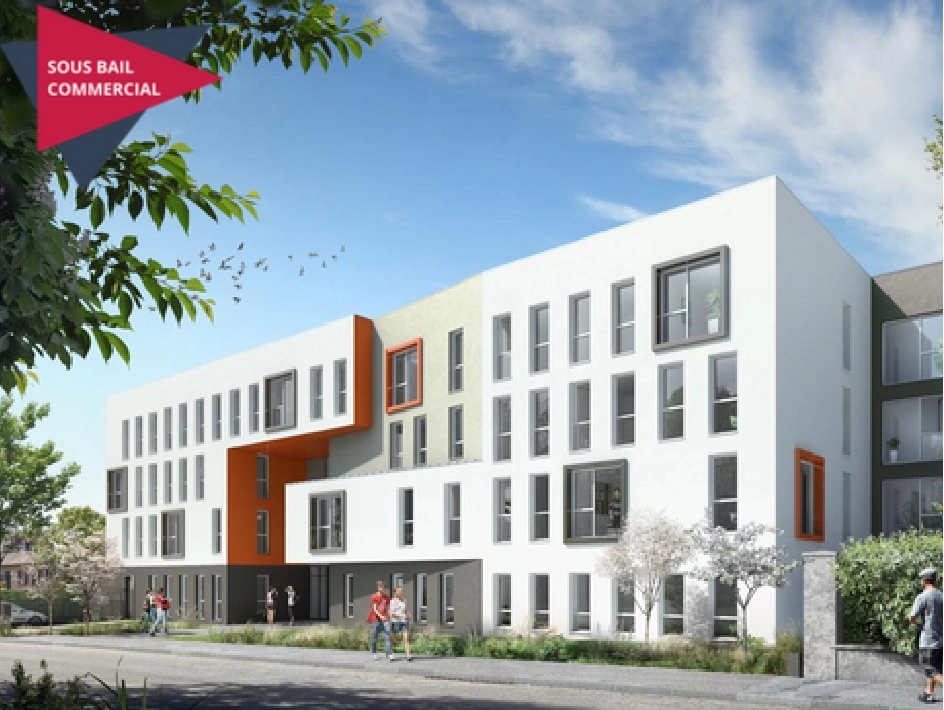
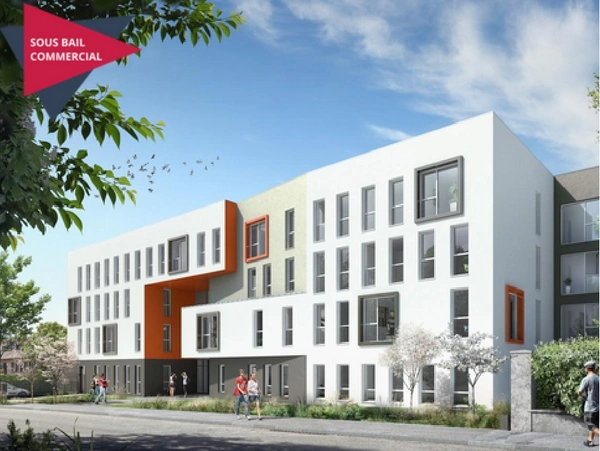
L’architecture de la résidence est immédiatement reconnaissable et séduisante. Elle est marquée par un élégant travail de volumes renforcé par les couleurs des pignons, créant une impression d’avancées saillantes ou de retraits. Ses façades sont habillées sur ses 3 étages par des jeux de couleurs portés par des teintes de gris et d’orange. Chaque matériau a été choisi afin d’assurer la pérennité du bâtiment tout en lui permettant de s’insérer parfaitement dans son environnement. Une résidence sécurisée avec contrôle accès et vidéosurveillance, avec un chargé de résidence quotidien jusqu’à 20H et un veilleur de nuit 7j/7. Des infrastructures communes de divertissement, sportives, ludiques et universitaire à votre disposition. Que tu sois seul, en duo ou en coloc… Nos résidences sont pensées et réalisées, comme jamais aucun autre acteur du logement étudiant n’a osé le faire. La résidence est proche des grandes structures administratives et économiques de Rennes (préfecture, Conseil Régional, CCI, archives départementales, URSSAF) et se trouve à 13 minutes à pied* du centre commercial Beauregard regroupant de nombreux commerces de proximité : supermarché, boulangerie, pharmacie, agences bancaires… Le complexe sportif Félix Masson (doté d’un mur d’escalade et d’une salle multisports) et le Parc des Tanneurs à moins de 15 minutes à pied* viennent compléter le cadre de vie.
1 lot d'habitation disponible
-
PriceSurface areaCharacteristics
-
Apartment 24m2Floor : 390 721€
-
90 721€24m2Floor : 3
Are you interested in this property? Contact us !



Legal guarantees: Financial completion guarantee, apparent defects guarantee, perfect completion guarantee, two-year guarantee, and ten-year guarantee.
Energy performance: RT2012 and RE2020
Accessibility to housing: disability standards, elevator, etc.
Standards: thermal, acoustic, etc.
A customizable home: modification works (bathtub, electrical outlet) and/or interior fittings such as tiling, painting, bathroom furniture, etc.
Reduced notary fees: approximately 3% vs. 7 to 8% for older properties
State aid: Zero-interest loan, Pinel scheme, etc.
Total or partial exemption from property tax: for the two years following the construction
Reduced VAT: Possibility of buying properties in ANRU zones and benefiting from a 5.5% VAT under certain income conditions.
First-time homebuyers can benefit from the zero-interest loan (PTZ) under certain income conditions.
First-time homebuyers refer to households that have not owned their primary residence in the two years preceding the loan offer and whose income does not exceed the established ceiling.
The assessment of income is based on the reference taxable income from the year N-2 of all the individuals intended to occupy the property.
The amounts of the PTZ and the income limits vary depending on the location of the property (Zone A, B, or C).
Searching for a property that meets your needs (get assistance from a specialized advisor from Capifrance)
Signing a reservation contract detailing the property (size, location, description), price, delivery date, etc. The buyer pays a deposit to the developer into an escrow account.
Financing the purchase with a loan and signing the loan offer
Signing the deed of sale at the notary's office, including all information about the property, the price and payment terms, the delivery date, and the guarantees.
Customizing the property and selecting materials in agreement with the developer (modification works).
Delivery of the property, allowing for the identification of any defects, which are addressed within a month following delivery by the companies involved in the construction.
RE2020 is the new energy and environmental regulation for all new construction. The developer commits to a certain level of building energy consumption and greenhouse gas emissions.
The aim is to design and build the future living spaces for the French population while pursuing three major objectives set by the government:
An objective of energy efficiency and energy decarbonization;
A reduction in the carbon footprint;
Ensuring comfort in case of extreme heat.
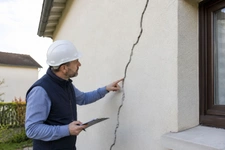
This guarantee applies for 10 years from the date of completion of the work. It protects against potential damages that could compromise the solidity of the construction and make it uninhabitable. Cracks, leaks, roofing problems, etc.: the builder is required to intervene if these damages are not due to normal wear and tear or poor maintenance of the dwelling.
Do you need advice for your real estate project? Contact a Capifrance advisor
