



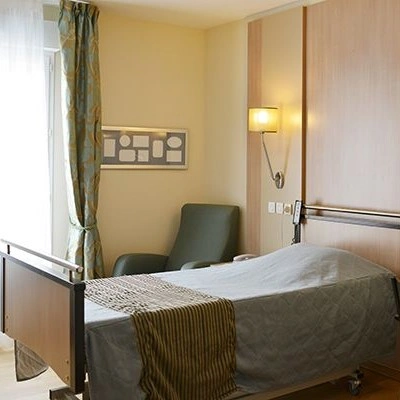
New real estate development of 1 unit in Vauvenargues (13126)
Description of this new development in Vauvenargues
Appartement type 1 de 30,30 m2, situé au 1er étage comprenant chambre avec salle d'eau et WC
Emplacement
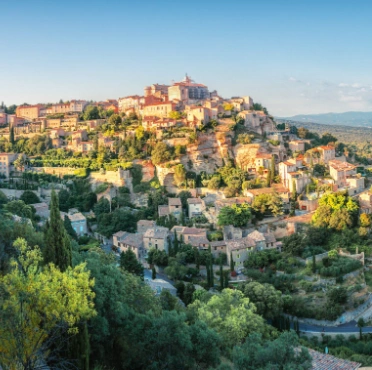
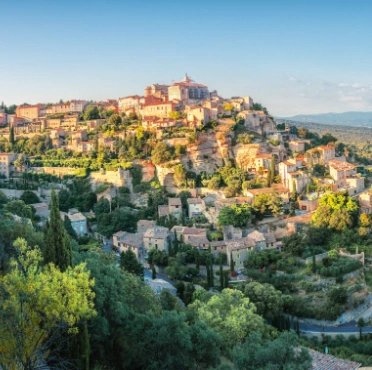
La maison de retraite L’Agora est située à Vauvenargues, à proximité immédiate d’Aix-en-Provence. L‘établissement est en effet dominé par la magnifique Montagne Sainte Victoire, lieu de promenade très prisé et symbole de la Provence.
Cette petite commune reste très animée tout au long de l’année par ses animations estivales, culturelles et artisanales ainsi que ses randonnées pédestres. En dépit de sa proximité avec la ville on retrouve ici le calme et la sérénité de la campagne.
La départementale n°10 relie AIX-EN-PROVENCE en moins de 20 minutes.
Résidence
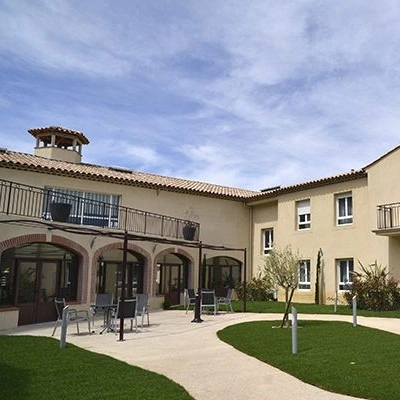
L'Agora est une maison de retraite médicalisée de standing accueillant ses résidents depuis 2010 dans plus de 83 chambres simples ou doubles toutes équipées de douche privative, de climatisation et d’un écran plasma.
Cette maison de retraite offre un cadre de vie enchanteur, à deux pas de la Sainte-Victoire, et dispose d'un magnifique parc verdoyant accessible à tous. Les résidents pourront profiter des espaces qui leurs sont dédiés : salons privés, salon de coiffure, restaurants…
L'Agora reçoit différents profils de personnes. Deux unités de vie sont dédiées spécialement aux pathologies de la mémoire comme la maladie d'Alzheimer et une unité de surveillance médicale renforcée à prendre en charge les malades souffrant de pathologies graves.
1 lot d'habitation disponible
-
PriceSurface areaCharacteristics
-
Apartment 30m2Floor : 1175 556€
-
175 556€30m2Floor : 1
Are you interested in this property? Contact us !

Legal guarantees: Financial completion guarantee, apparent defects guarantee, perfect completion guarantee, two-year guarantee, and ten-year guarantee.
Energy performance: RT2012 and RE2020
Accessibility to housing: disability standards, elevator, etc.
Standards: thermal, acoustic, etc.
A customizable home: modification works (bathtub, electrical outlet) and/or interior fittings such as tiling, painting, bathroom furniture, etc.
Reduced notary fees: approximately 3% vs. 7 to 8% for older properties
State aid: Zero-interest loan, Pinel scheme, etc.
Total or partial exemption from property tax: for the two years following the construction
Reduced VAT: Possibility of buying properties in ANRU zones and benefiting from a 5.5% VAT under certain income conditions.
First-time homebuyers can benefit from the zero-interest loan (PTZ) under certain income conditions.
First-time homebuyers refer to households that have not owned their primary residence in the two years preceding the loan offer and whose income does not exceed the established ceiling.
The assessment of income is based on the reference taxable income from the year N-2 of all the individuals intended to occupy the property.
The amounts of the PTZ and the income limits vary depending on the location of the property (Zone A, B, or C).
Searching for a property that meets your needs (get assistance from a specialized advisor from Capifrance)
Signing a reservation contract detailing the property (size, location, description), price, delivery date, etc. The buyer pays a deposit to the developer into an escrow account.
Financing the purchase with a loan and signing the loan offer
Signing the deed of sale at the notary's office, including all information about the property, the price and payment terms, the delivery date, and the guarantees.
Customizing the property and selecting materials in agreement with the developer (modification works).
Delivery of the property, allowing for the identification of any defects, which are addressed within a month following delivery by the companies involved in the construction.
RE2020 is the new energy and environmental regulation for all new construction. The developer commits to a certain level of building energy consumption and greenhouse gas emissions.
The aim is to design and build the future living spaces for the French population while pursuing three major objectives set by the government:
An objective of energy efficiency and energy decarbonization;
A reduction in the carbon footprint;
Ensuring comfort in case of extreme heat.
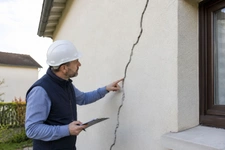
This guarantee applies for 10 years from the date of completion of the work. It protects against potential damages that could compromise the solidity of the construction and make it uninhabitable. Cracks, leaks, roofing problems, etc.: the builder is required to intervene if these damages are not due to normal wear and tear or poor maintenance of the dwelling.
Do you need advice for your real estate project? Contact a Capifrance advisor
