





New real estate development of 6 units in Toulouse (31400)
Description of this new development in Toulouse
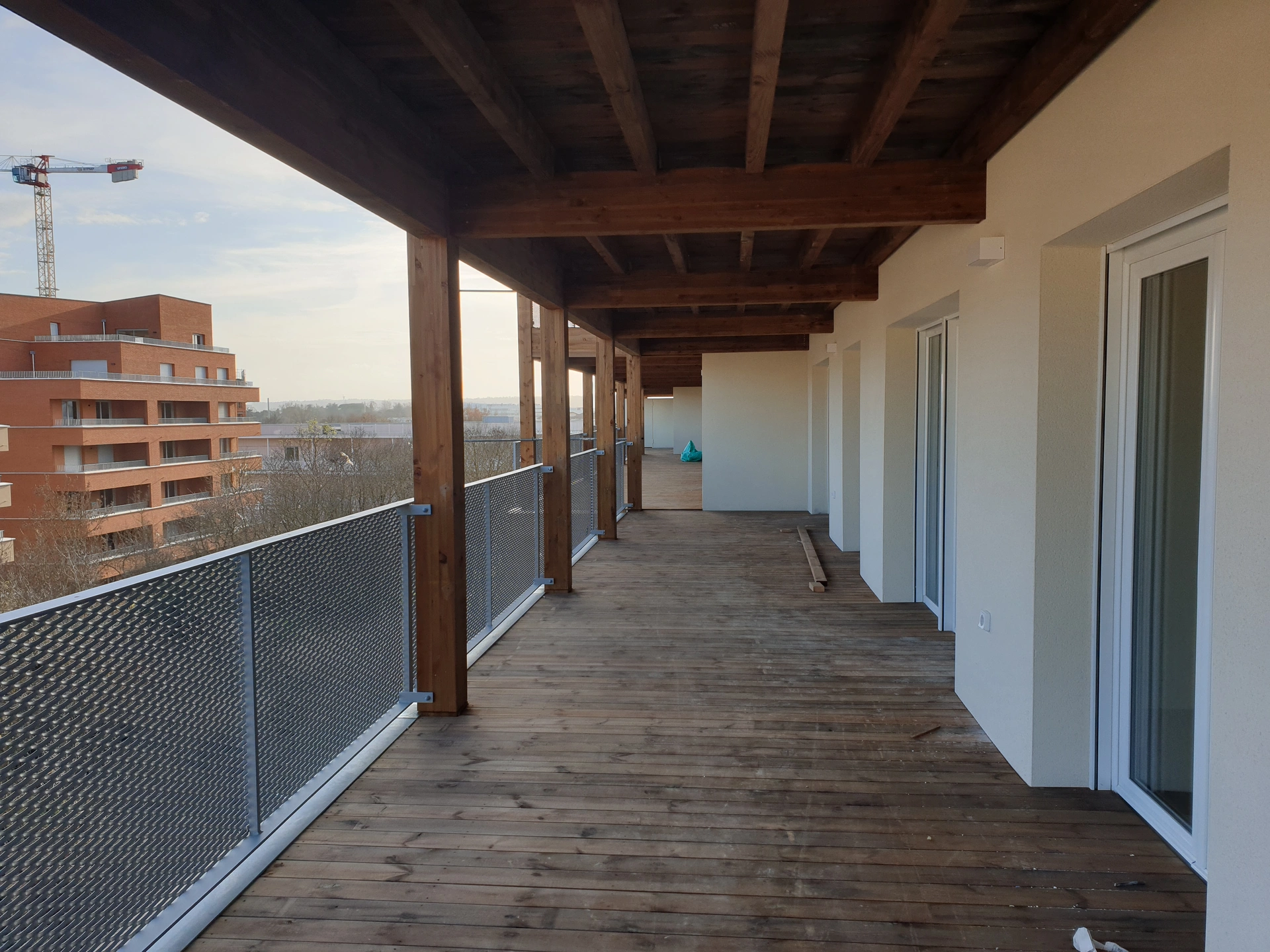
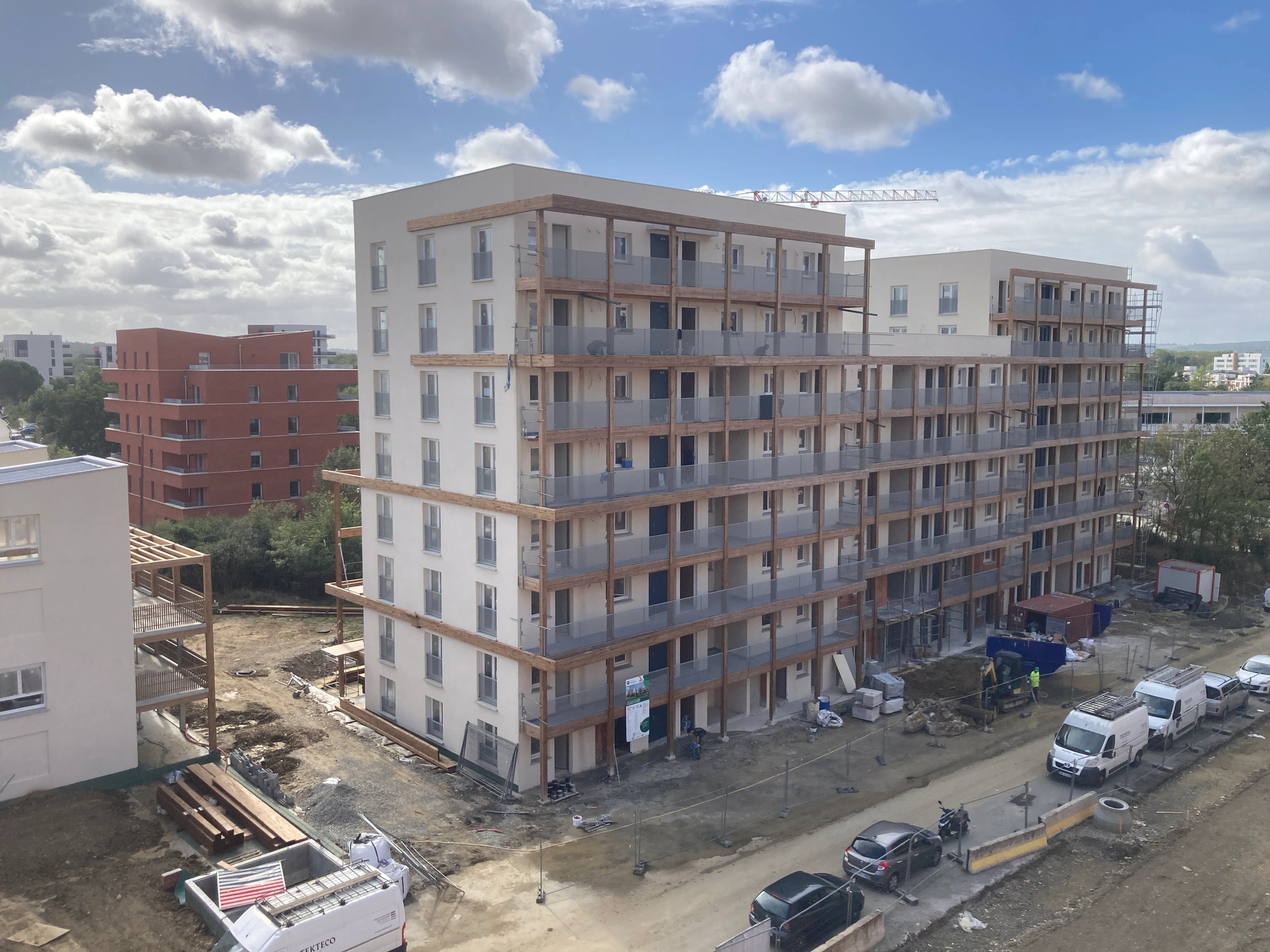
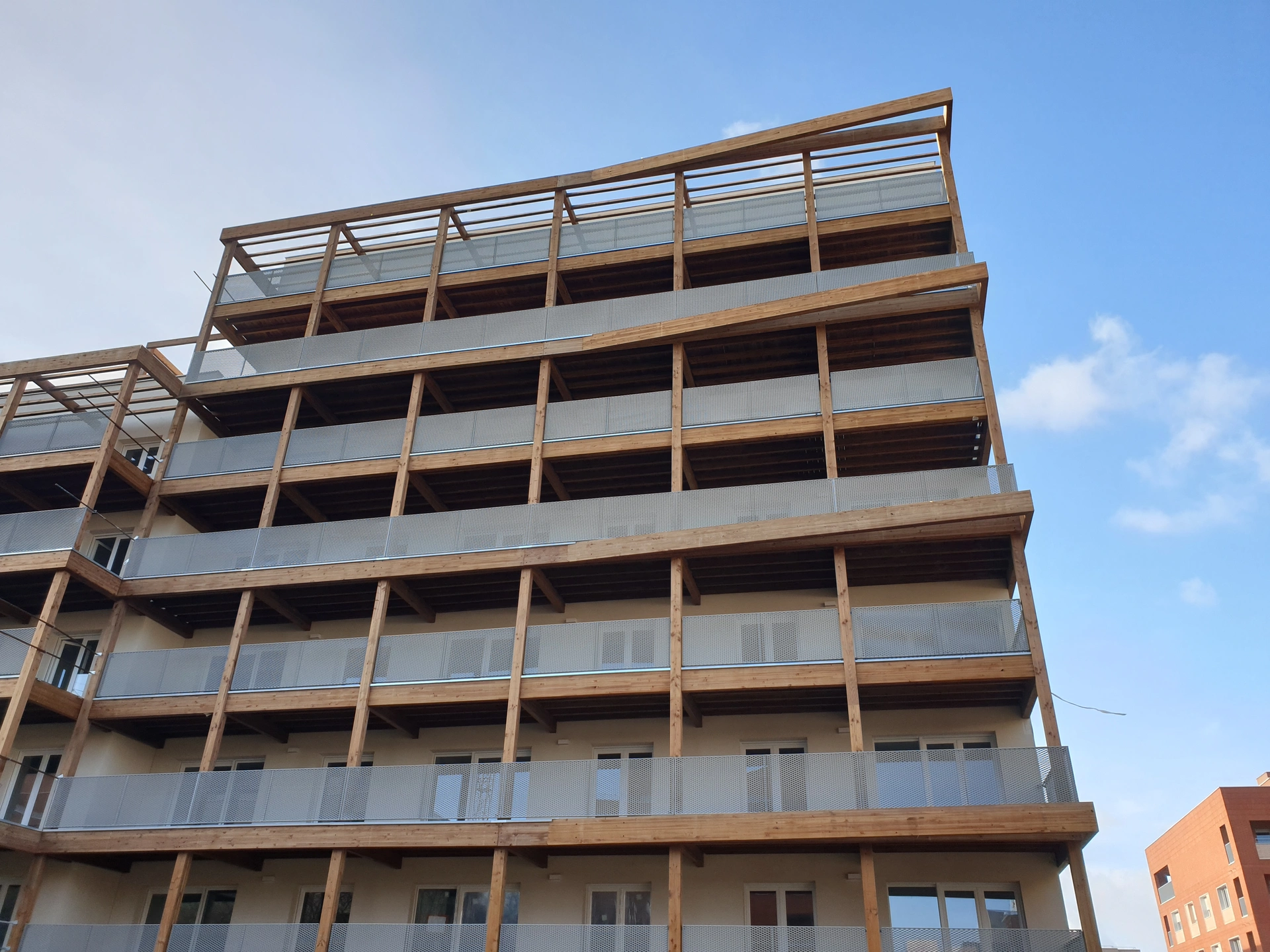
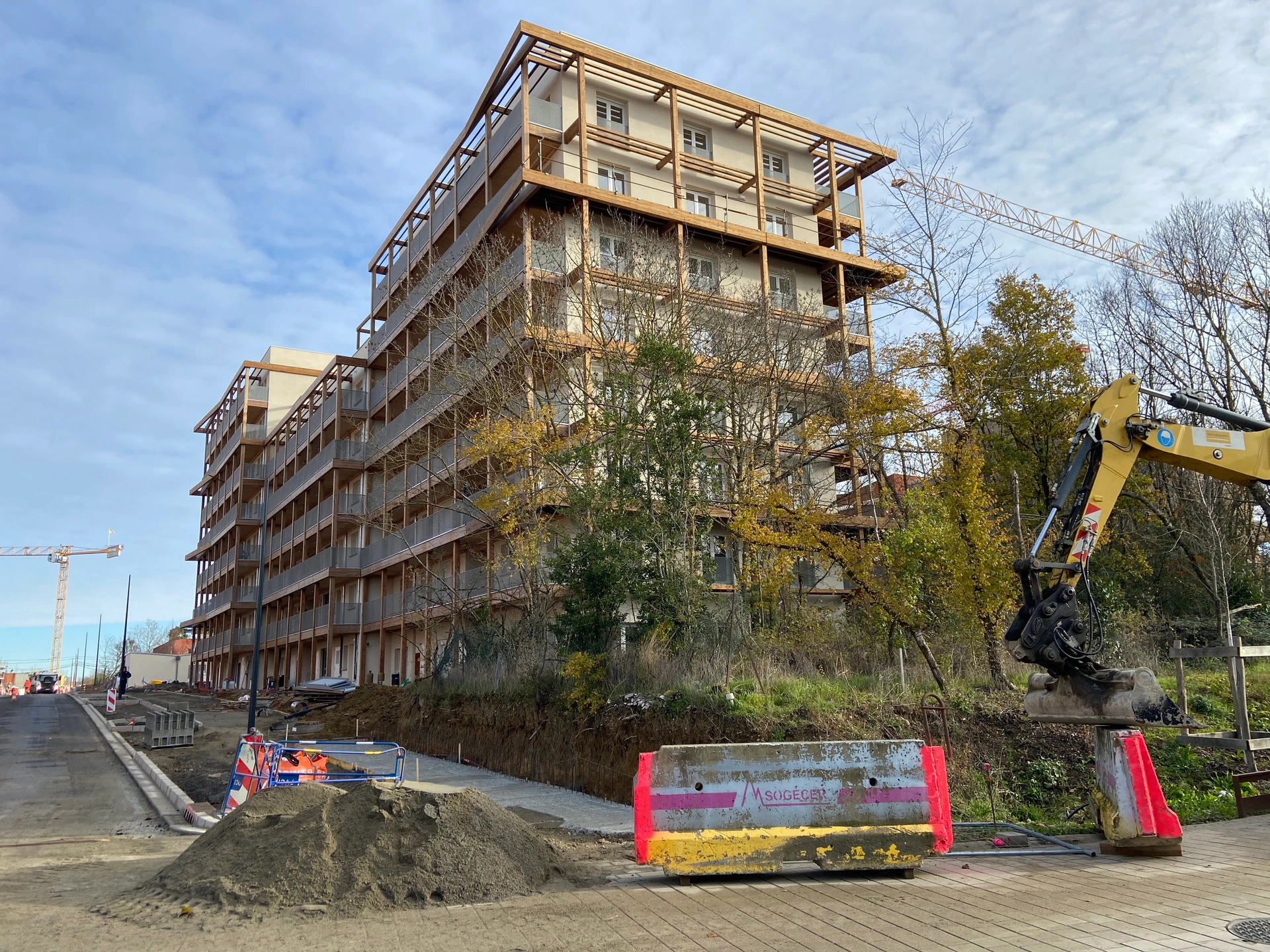
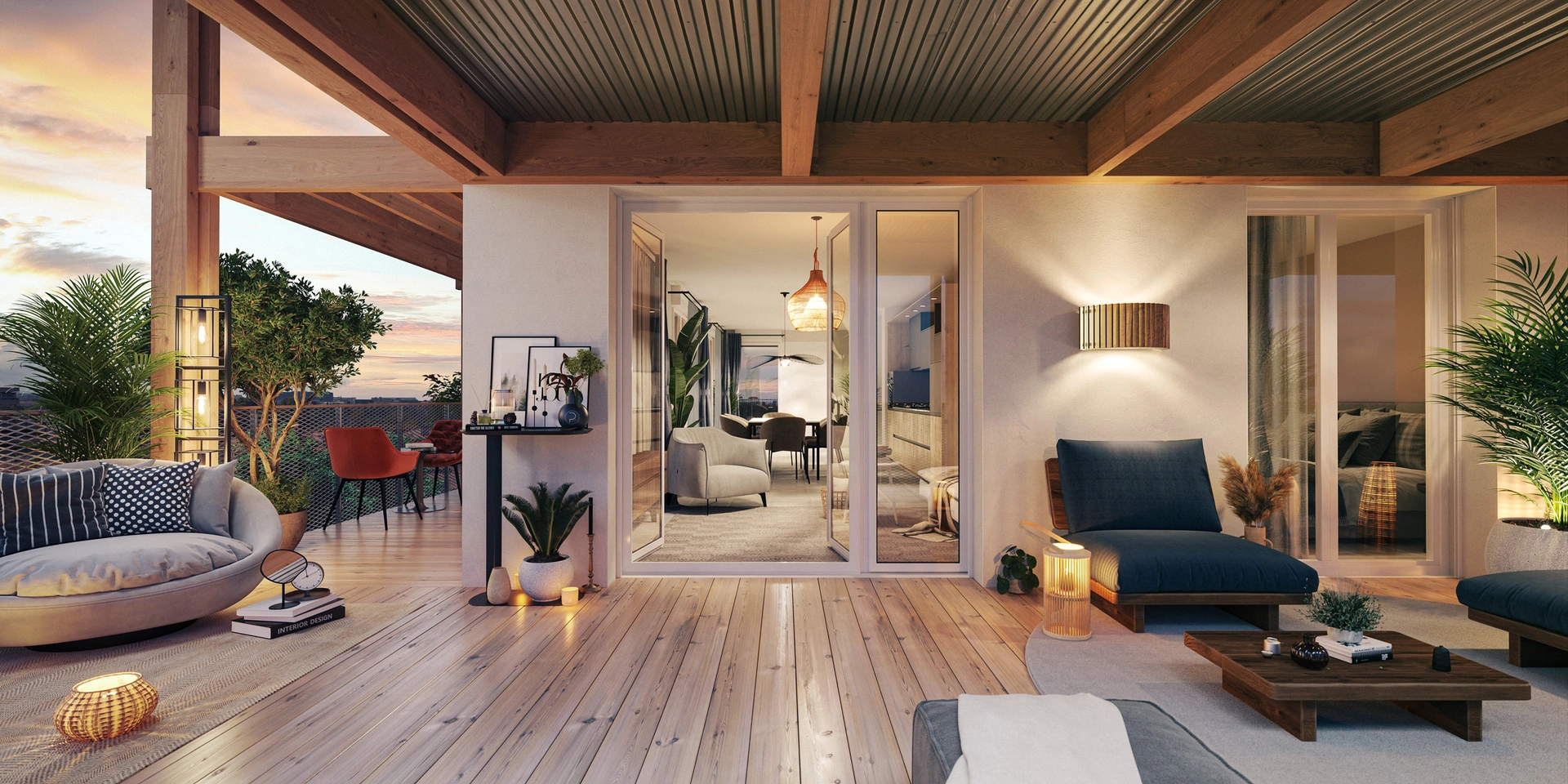
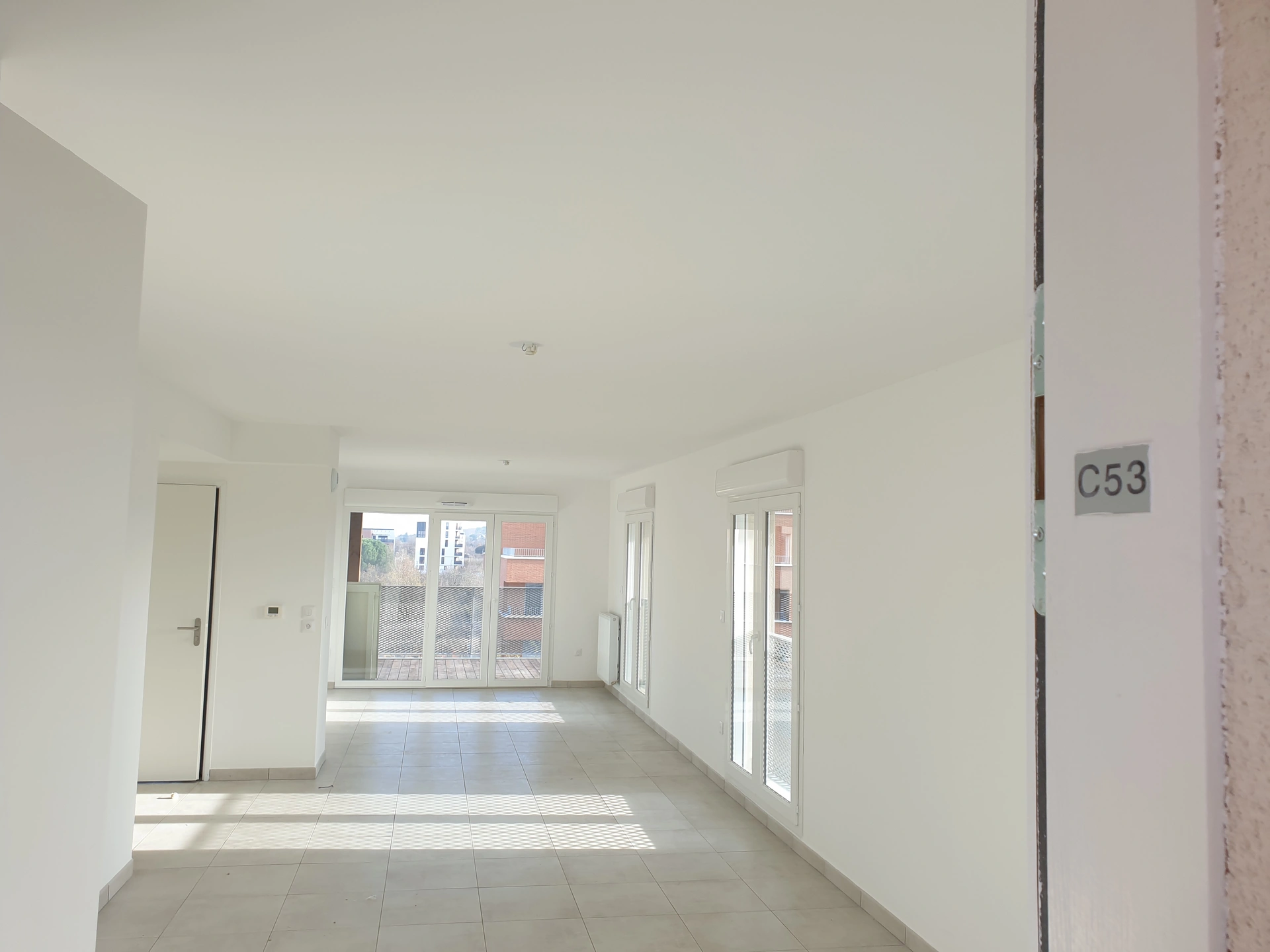
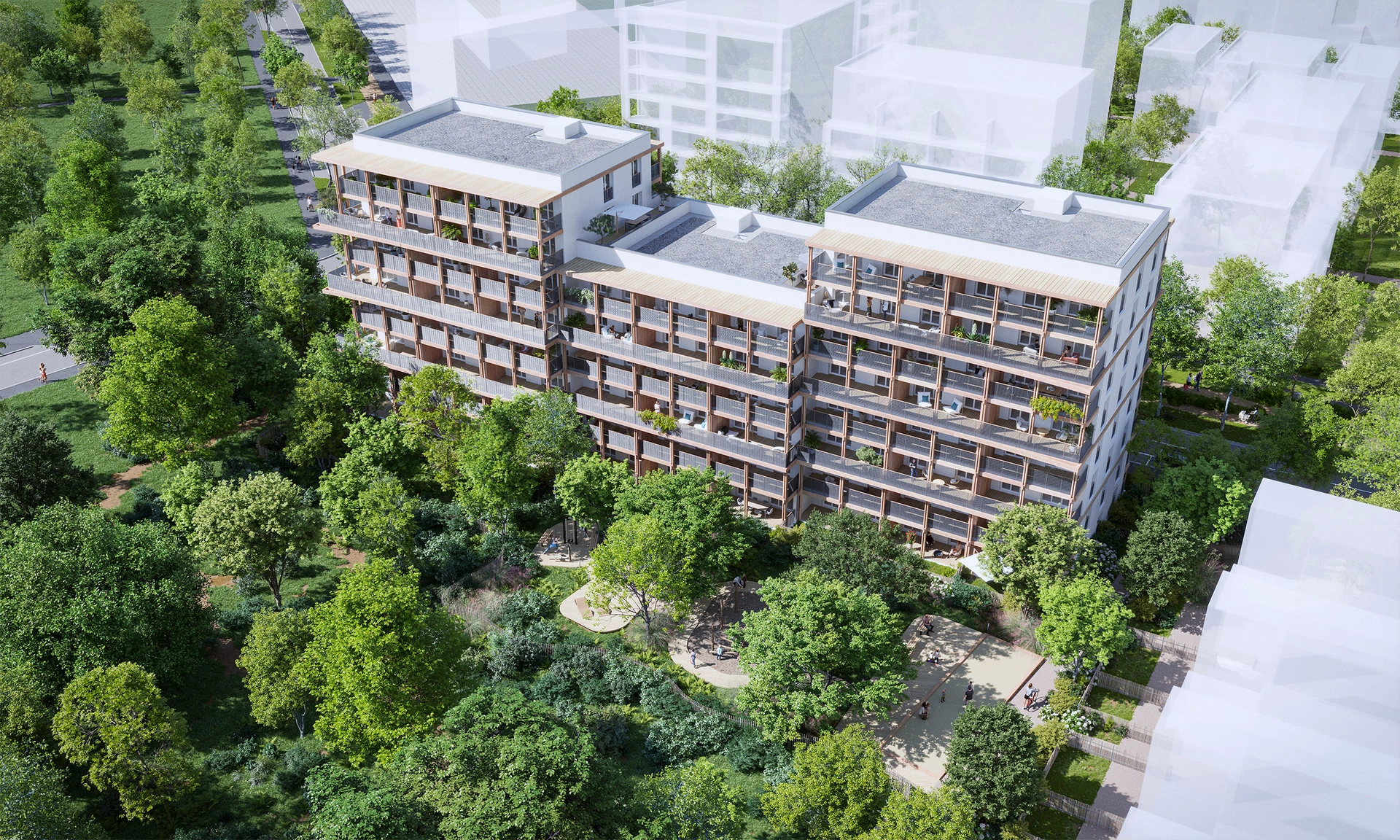
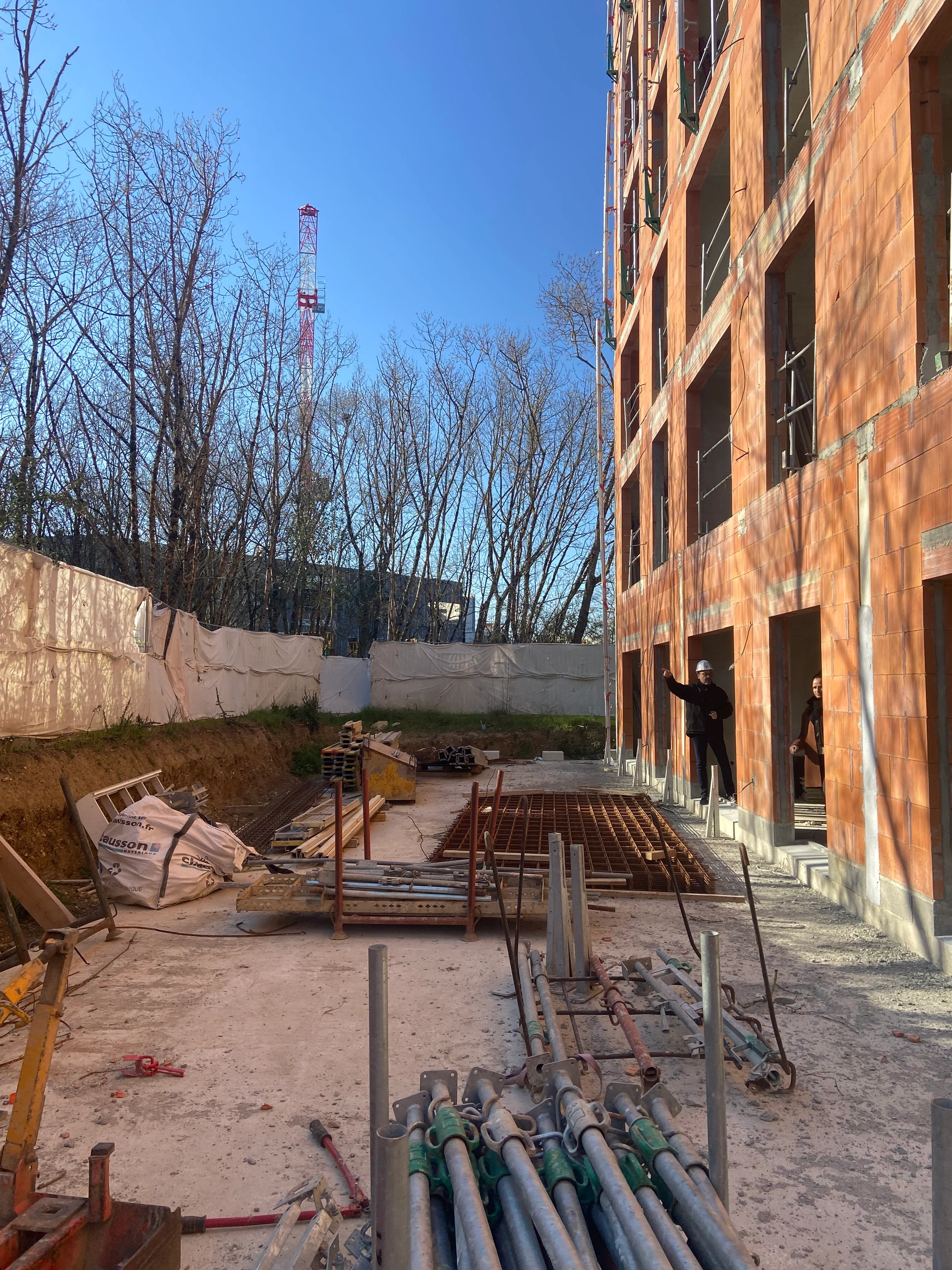
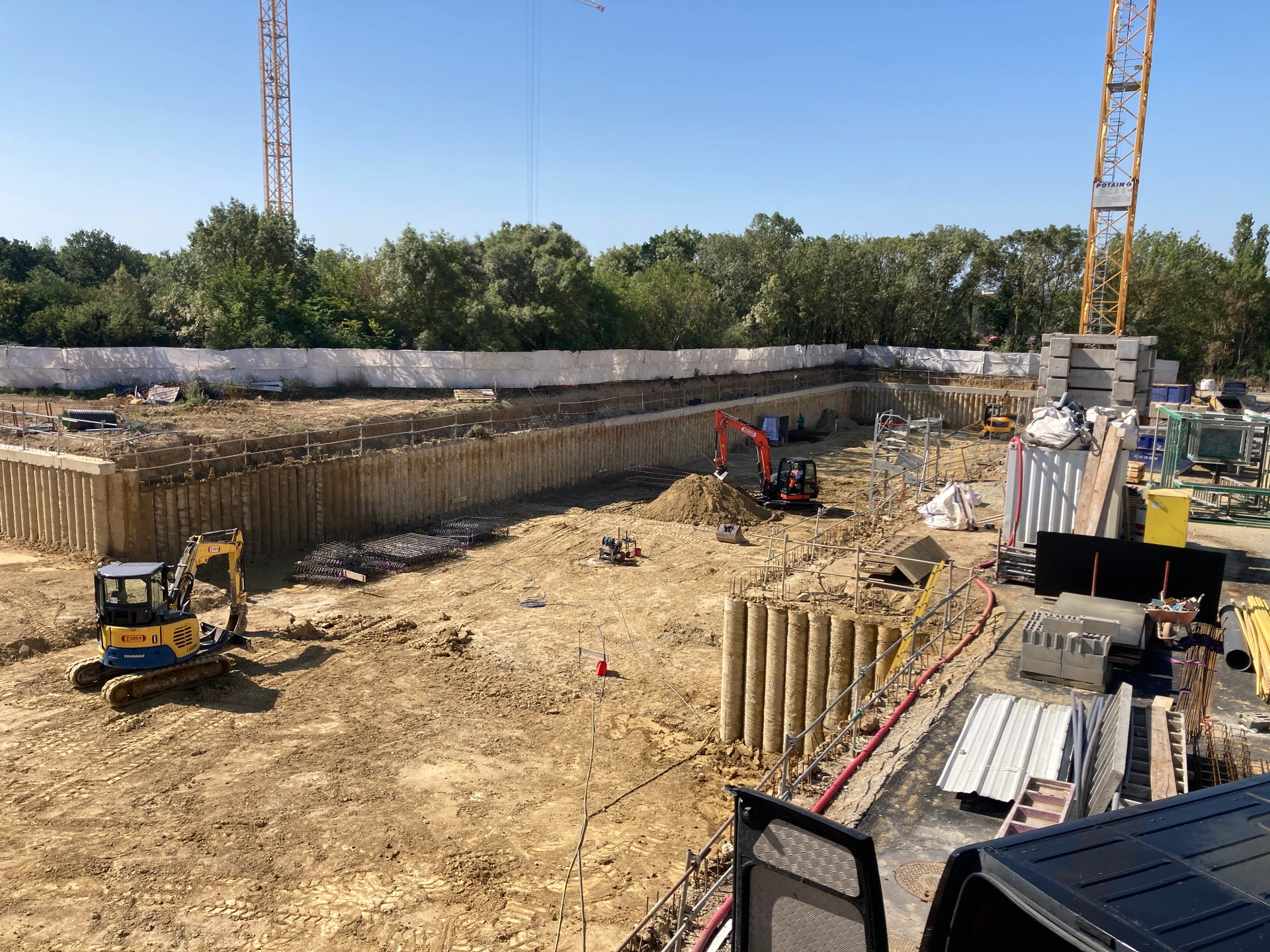
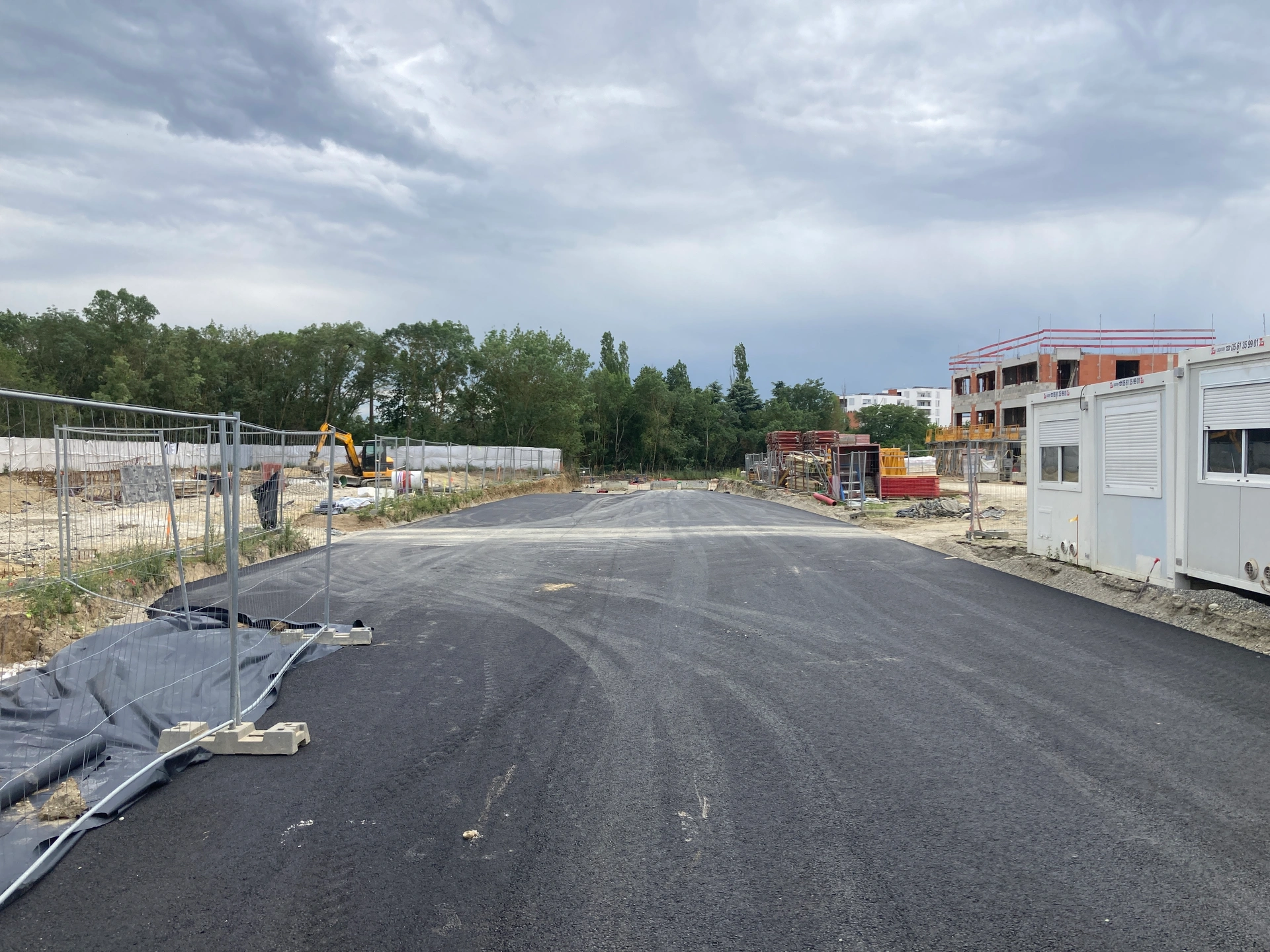
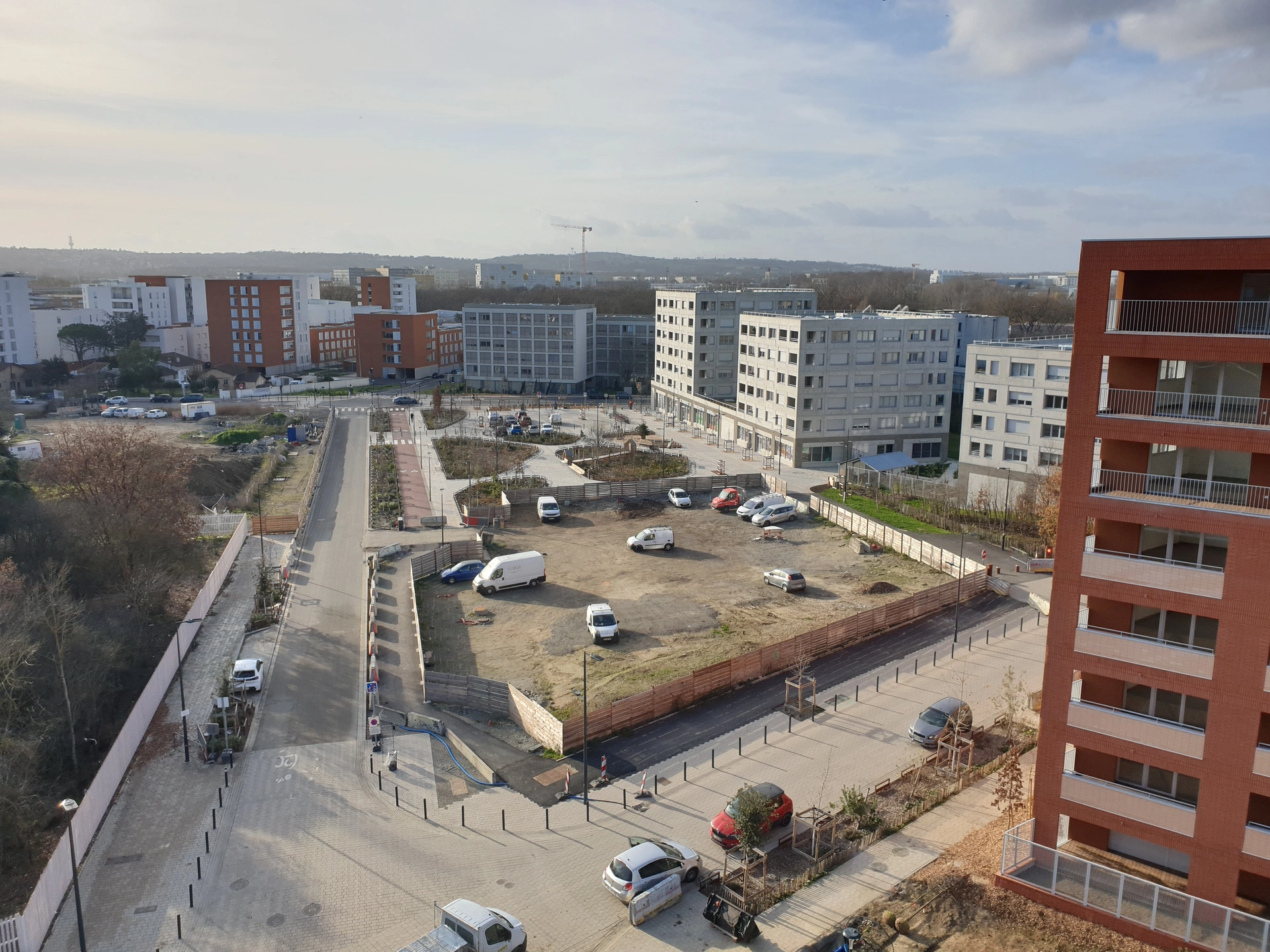
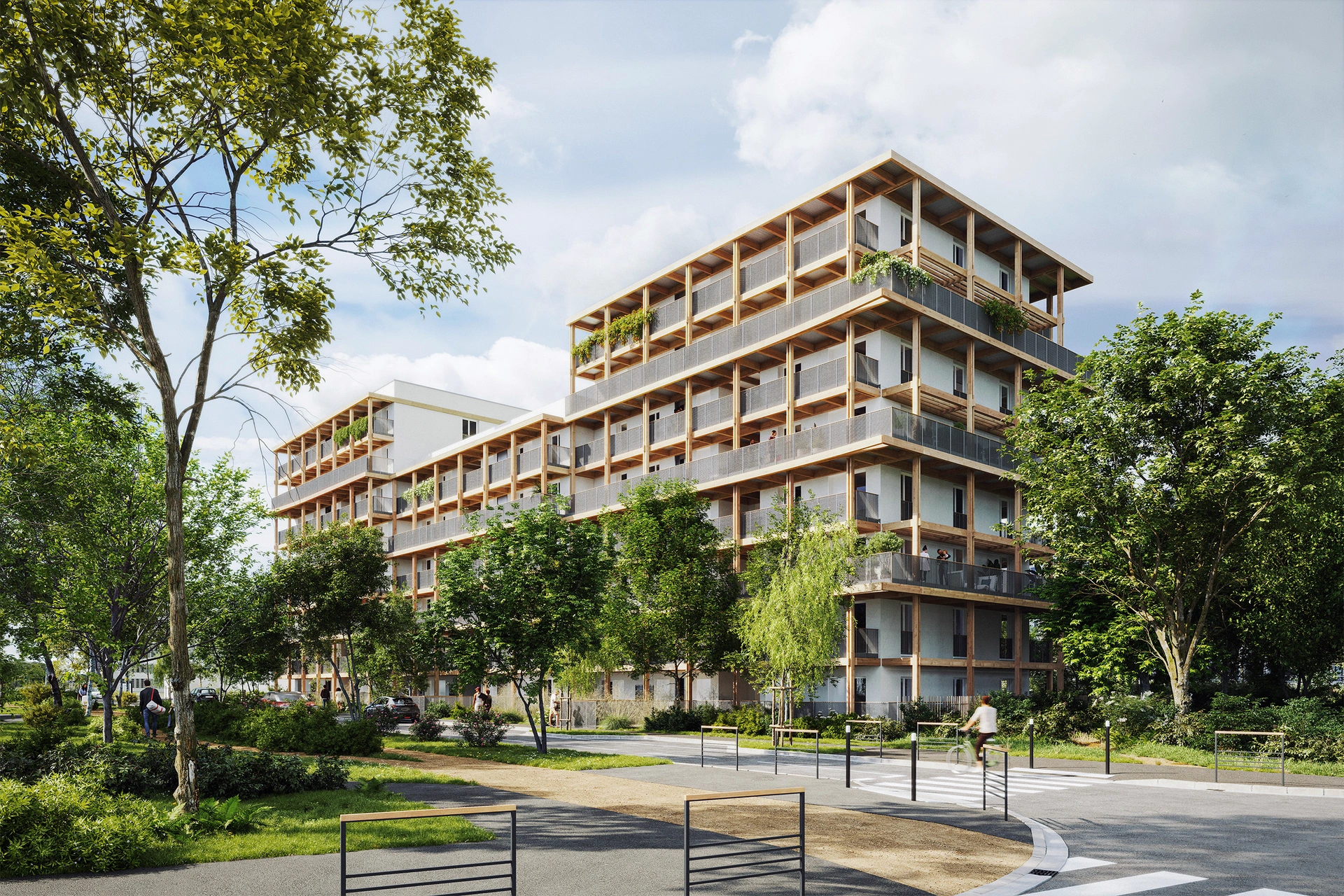
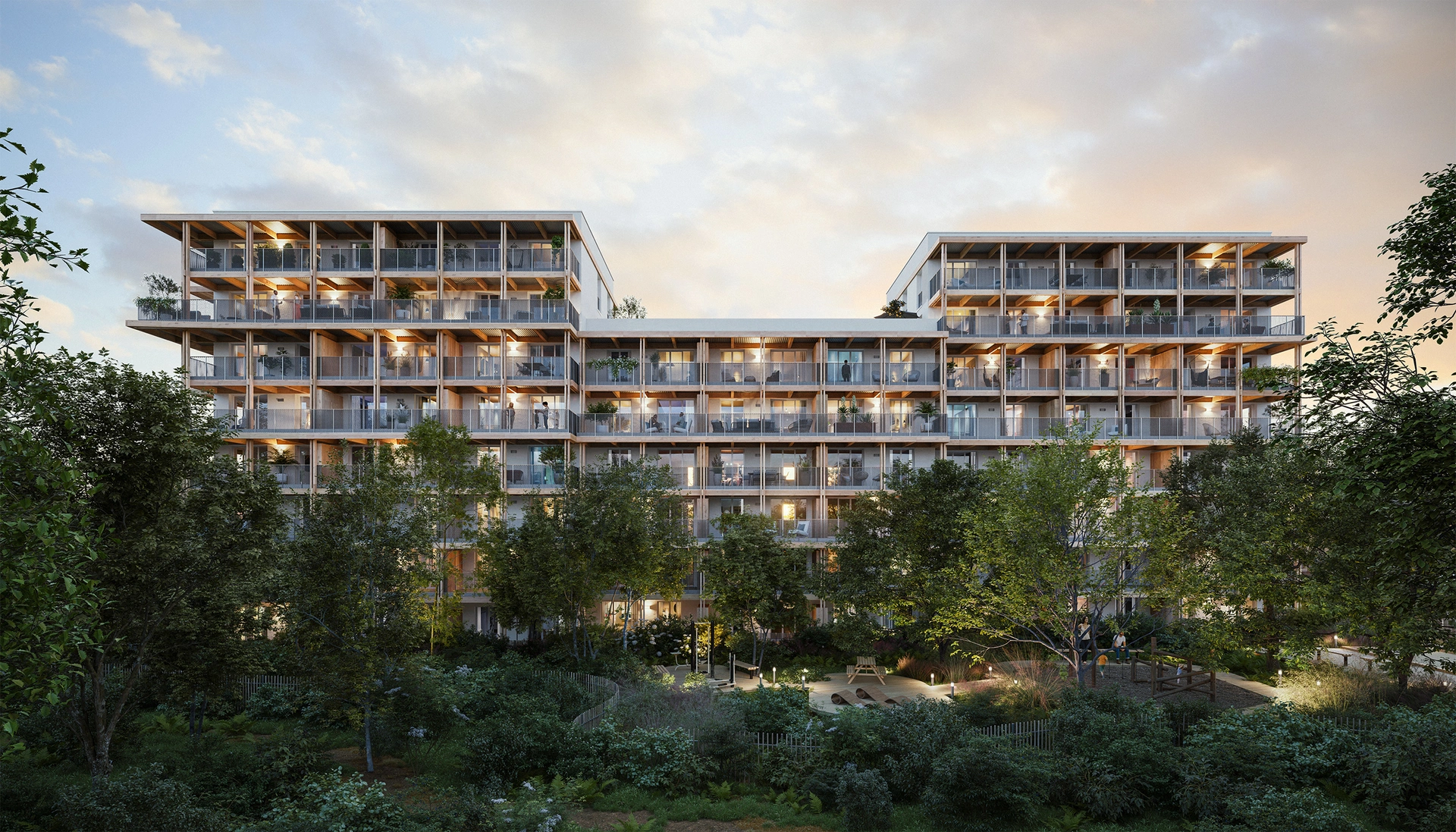
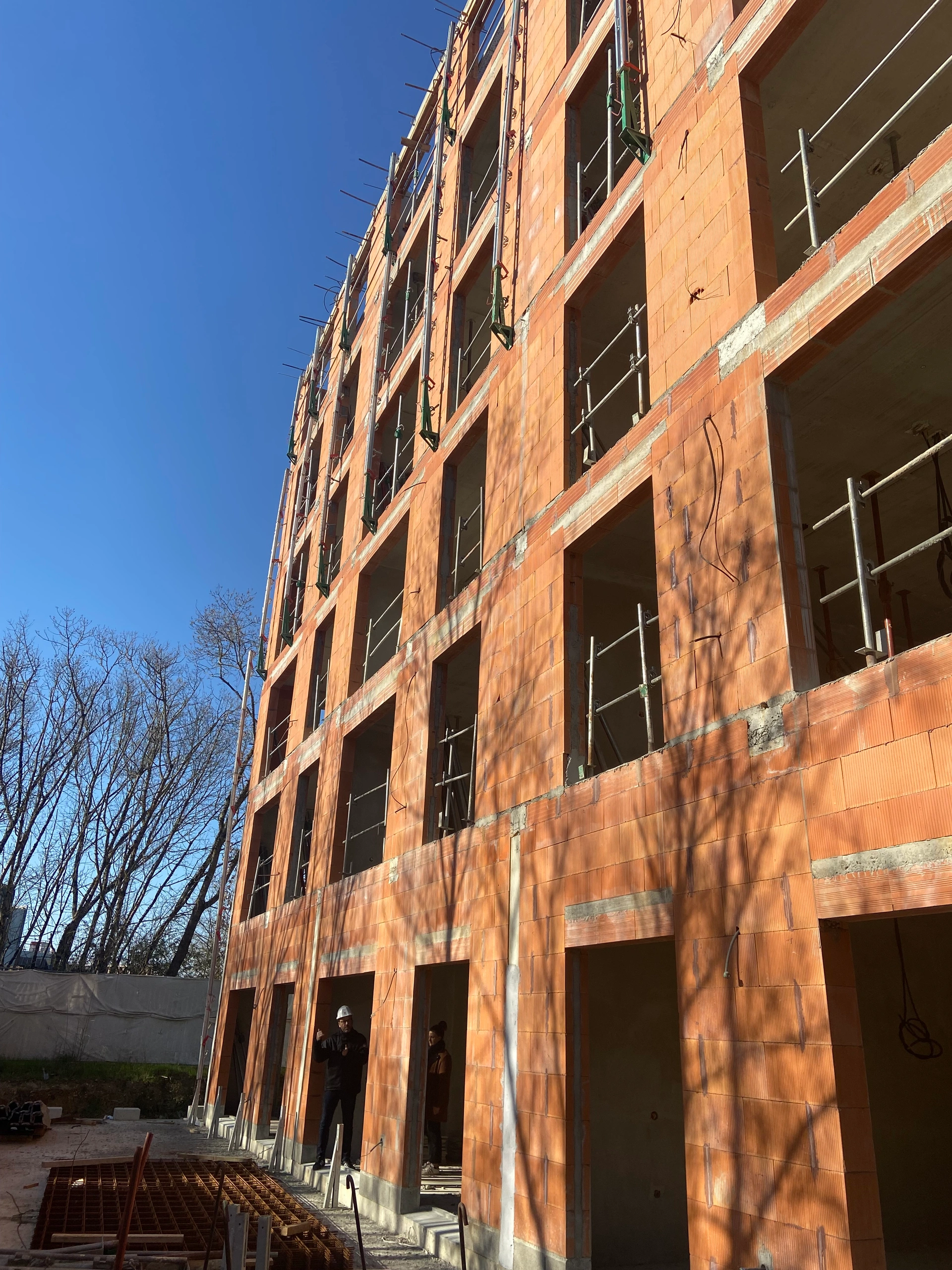
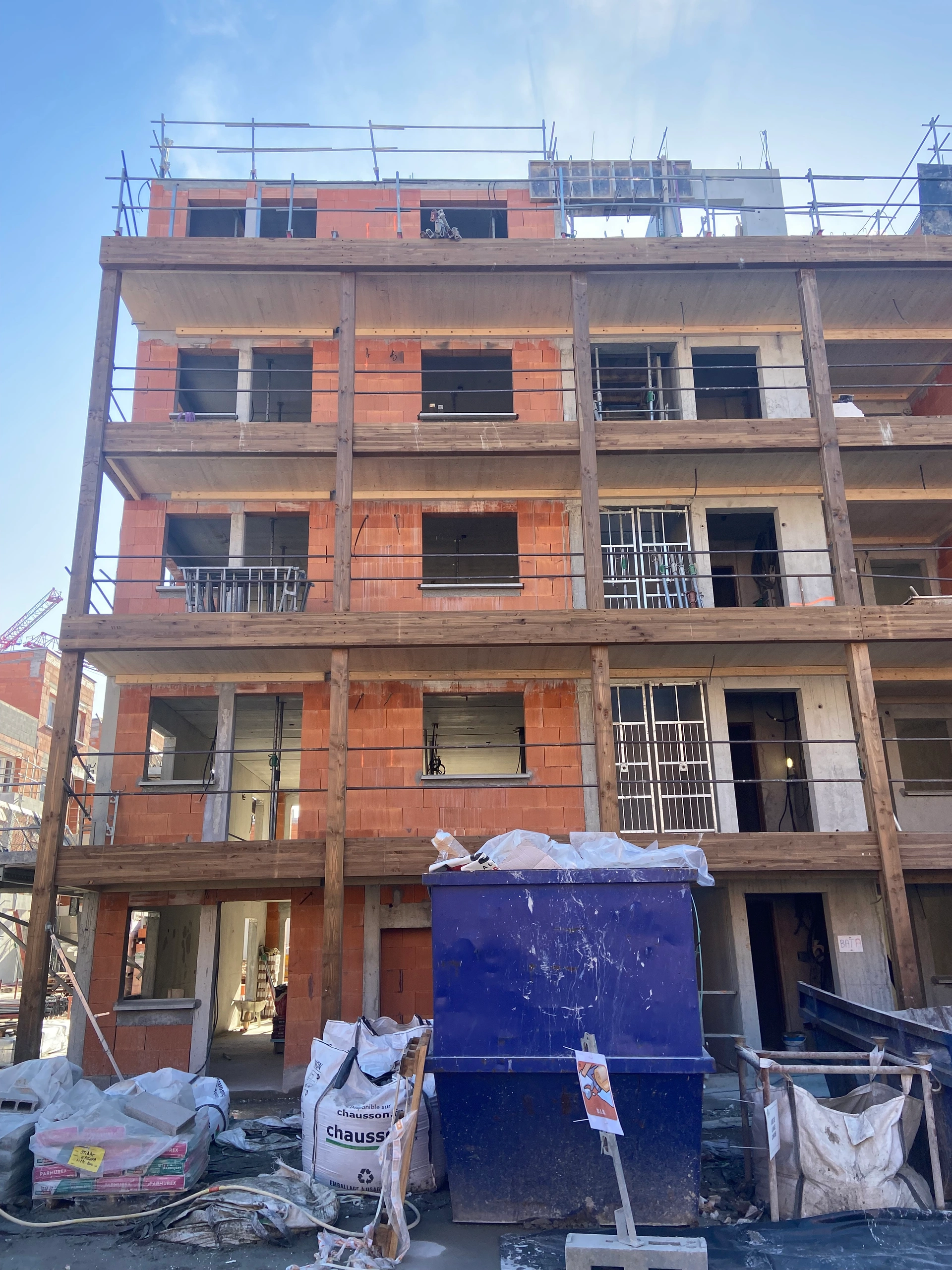
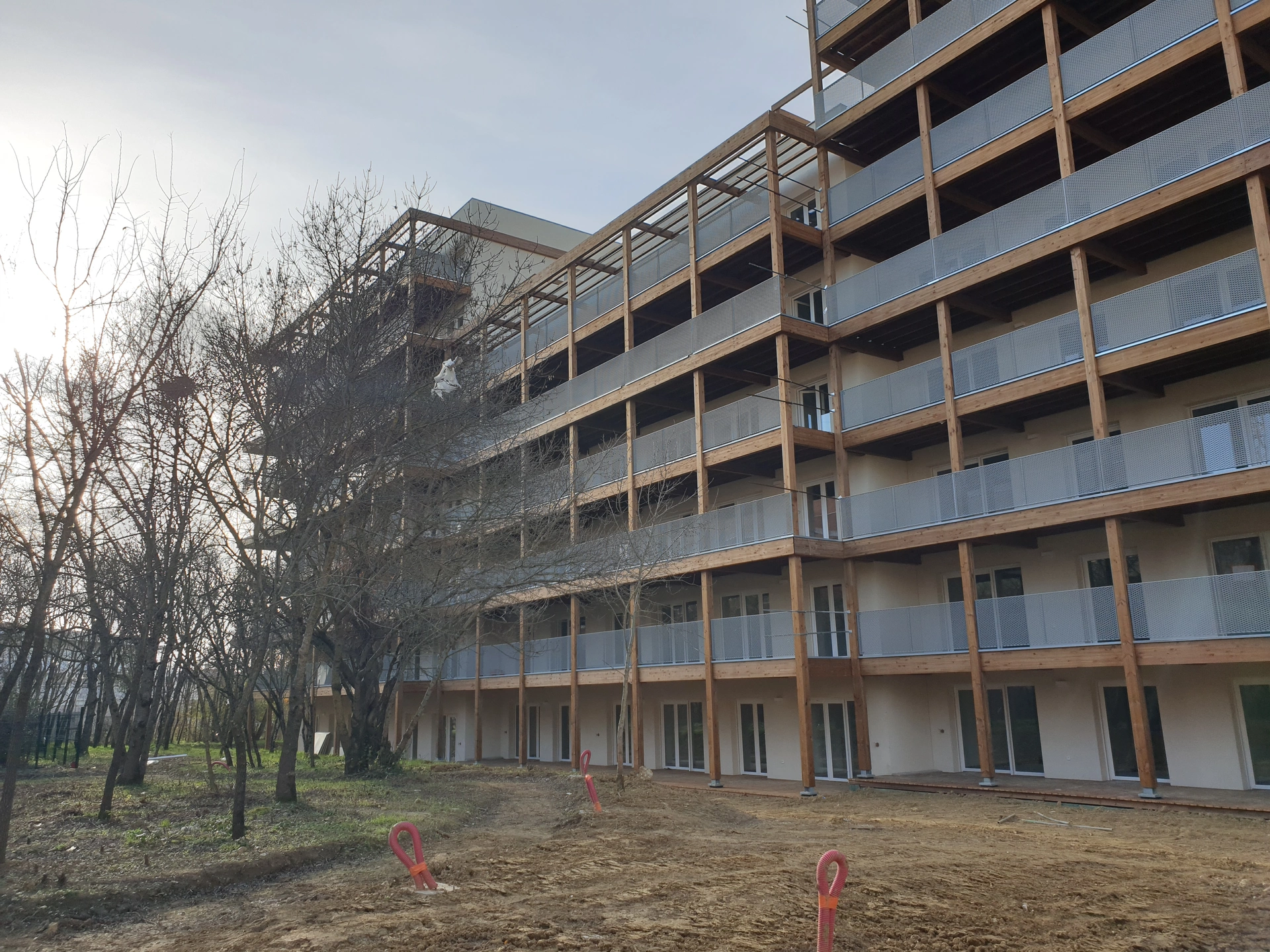
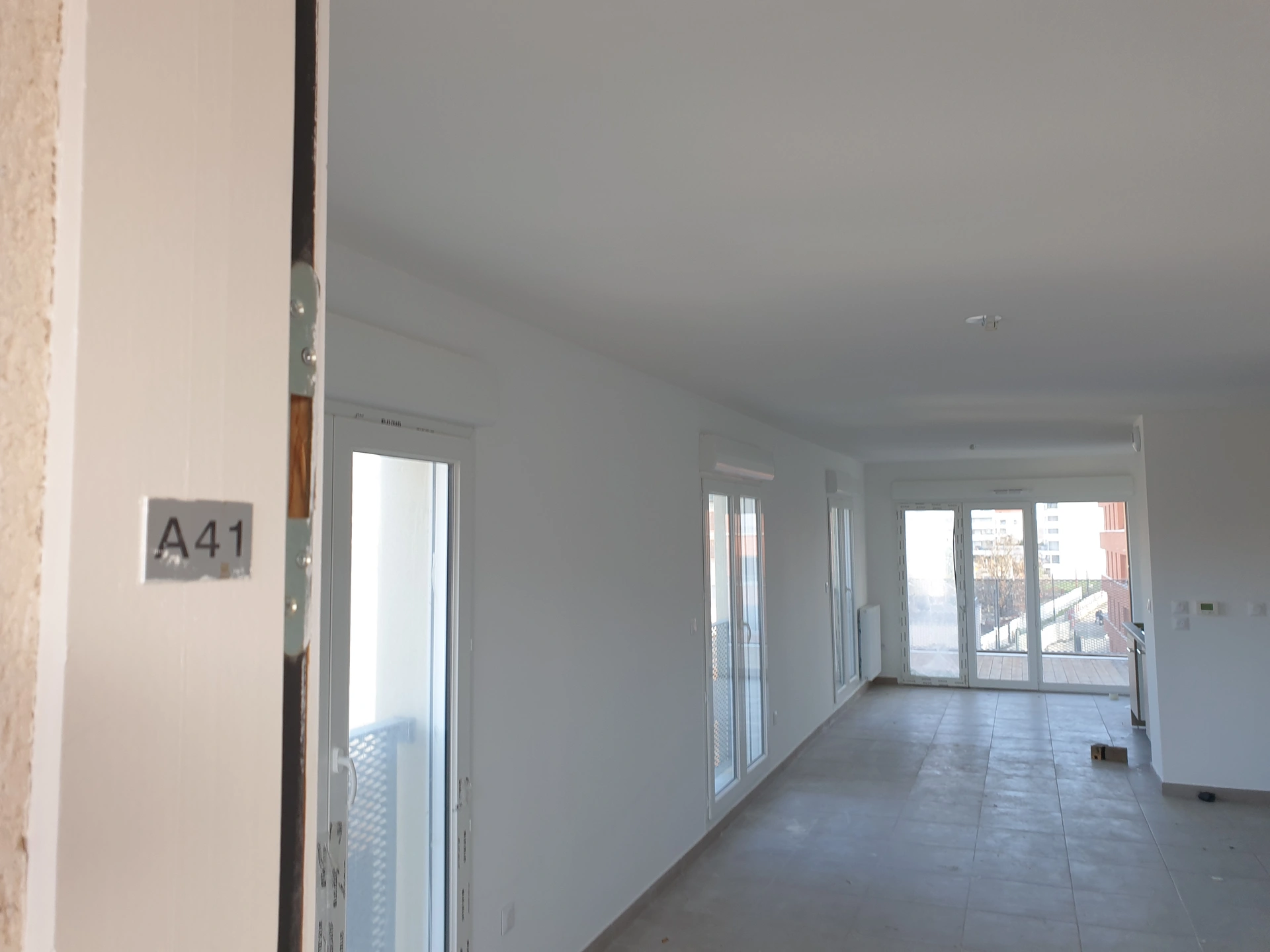
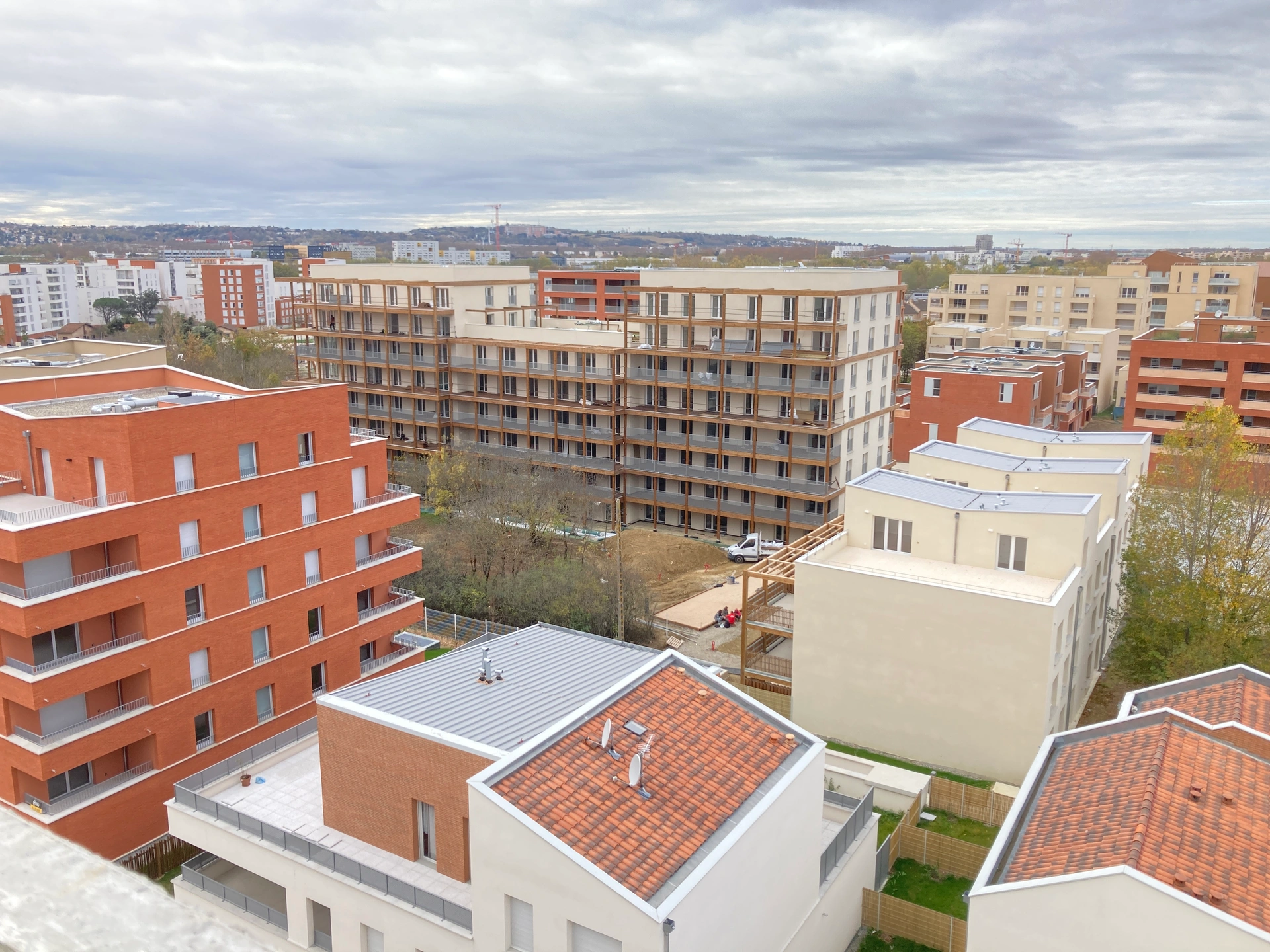
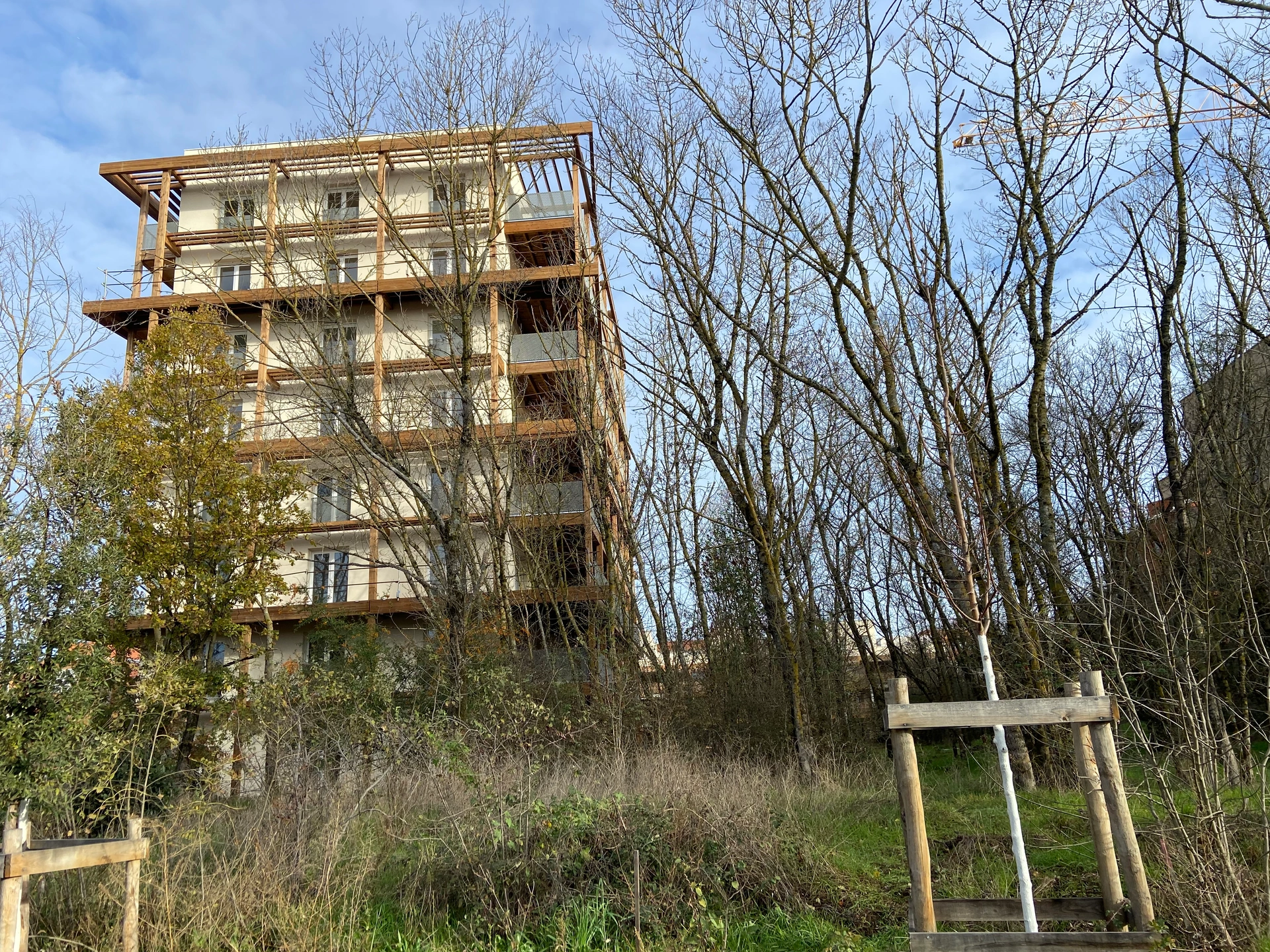
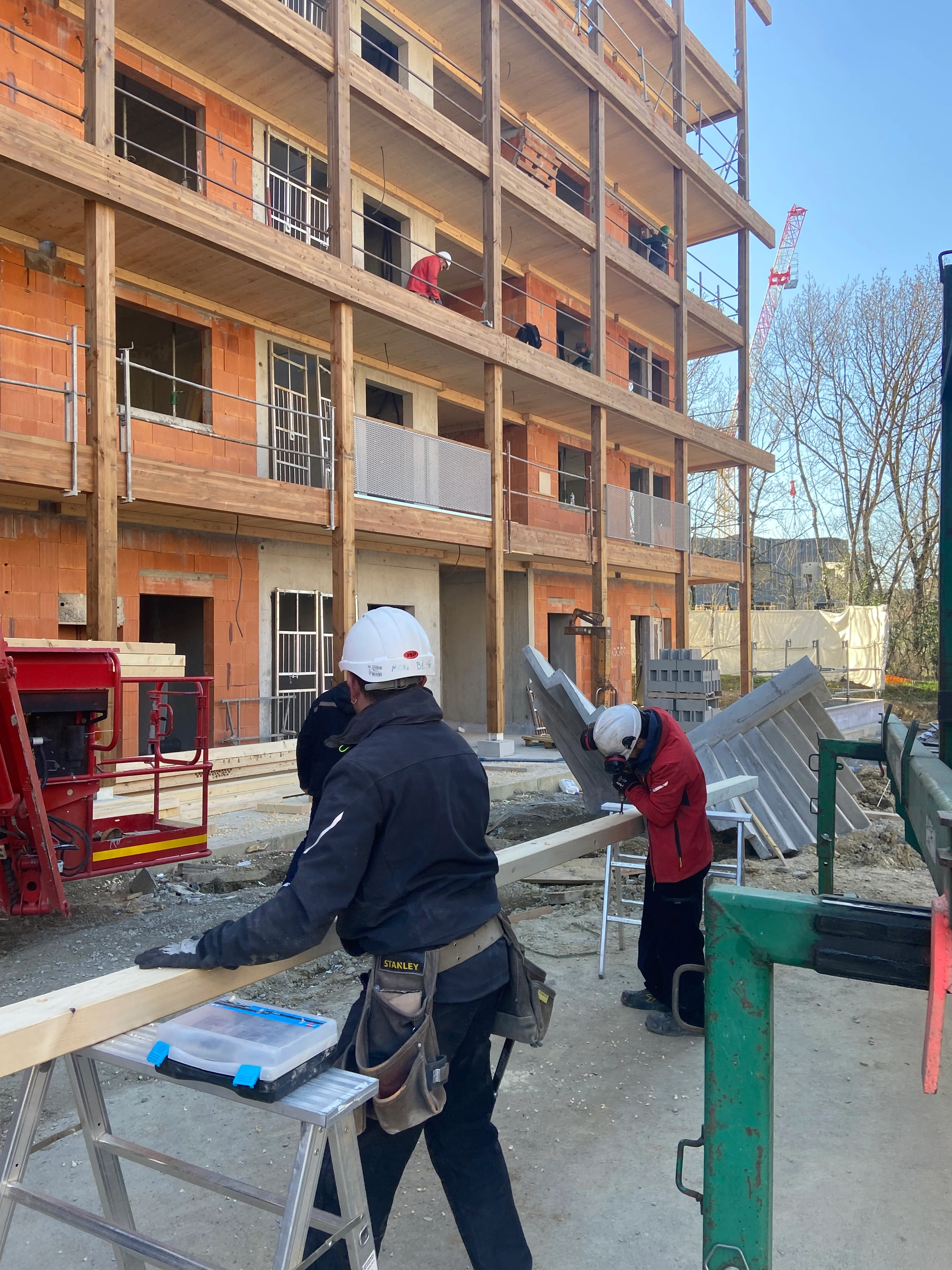
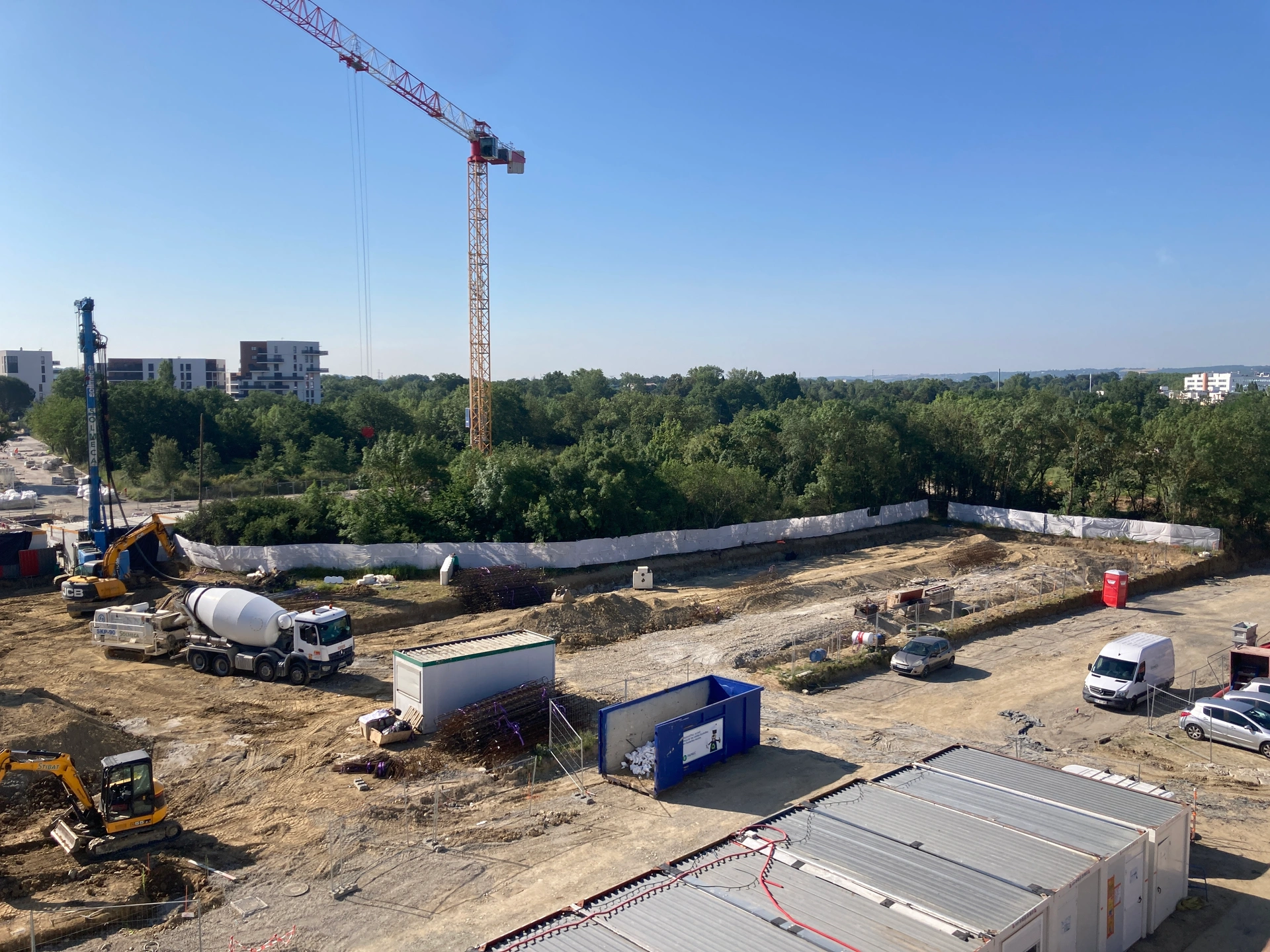
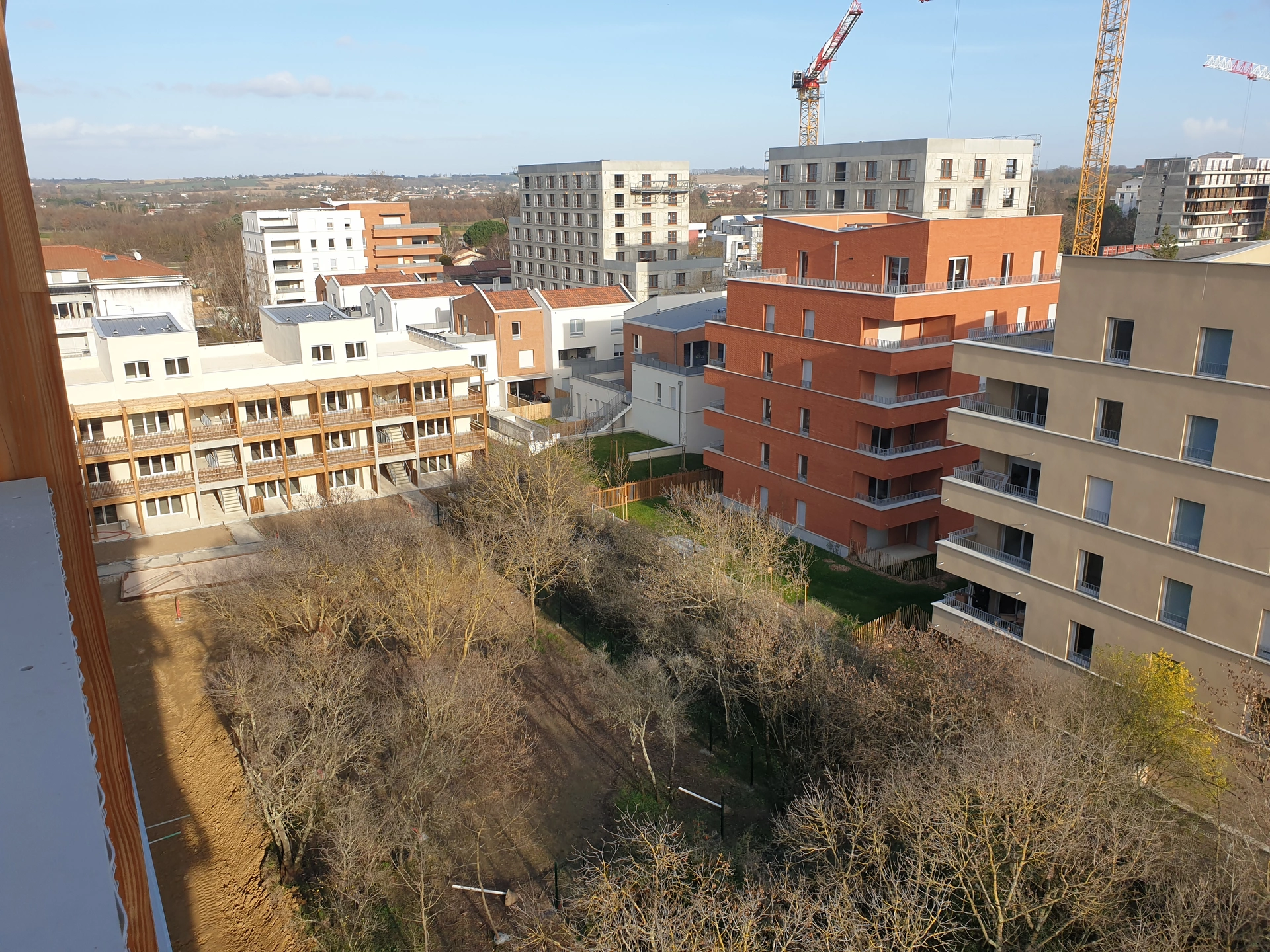
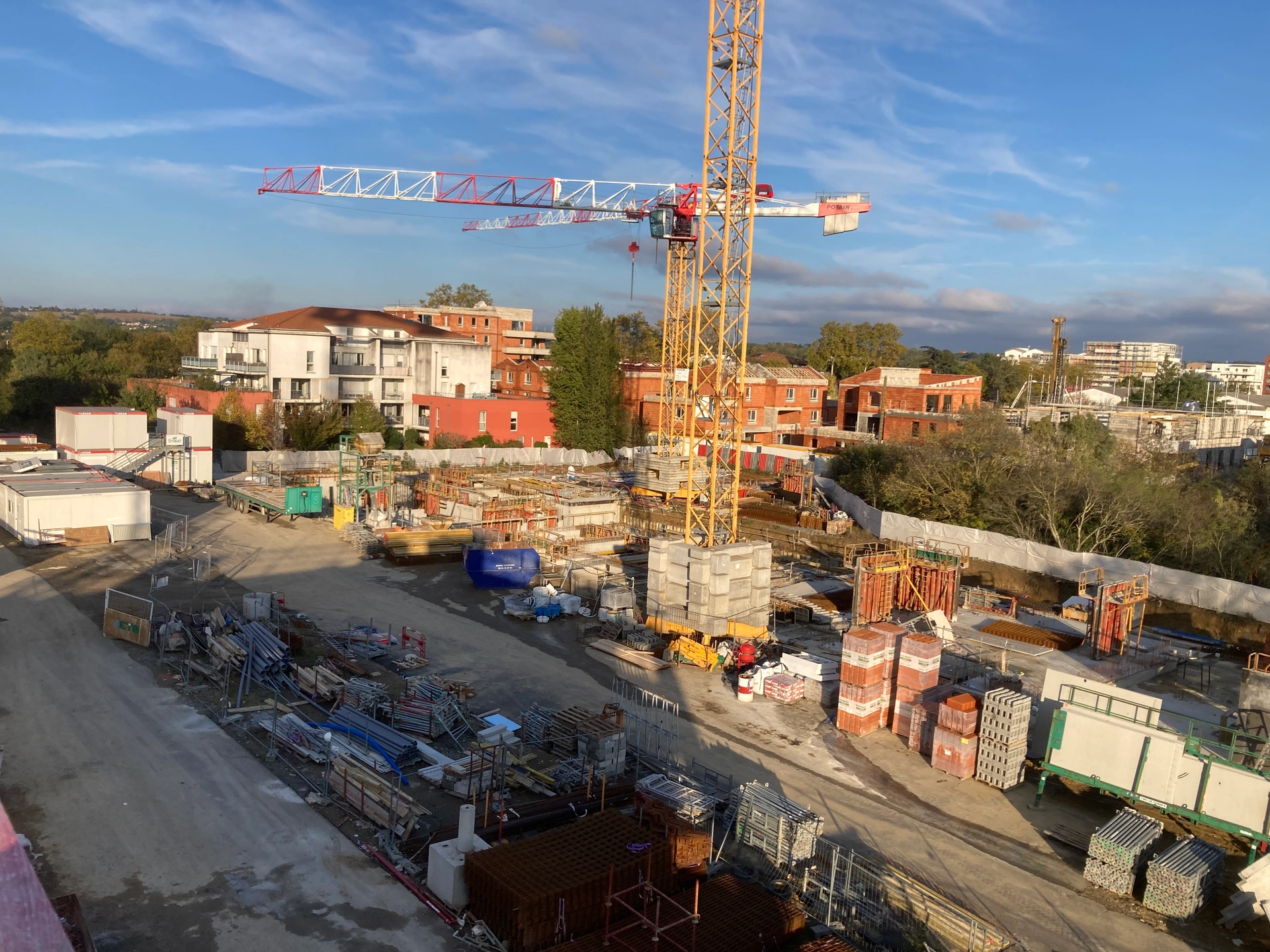
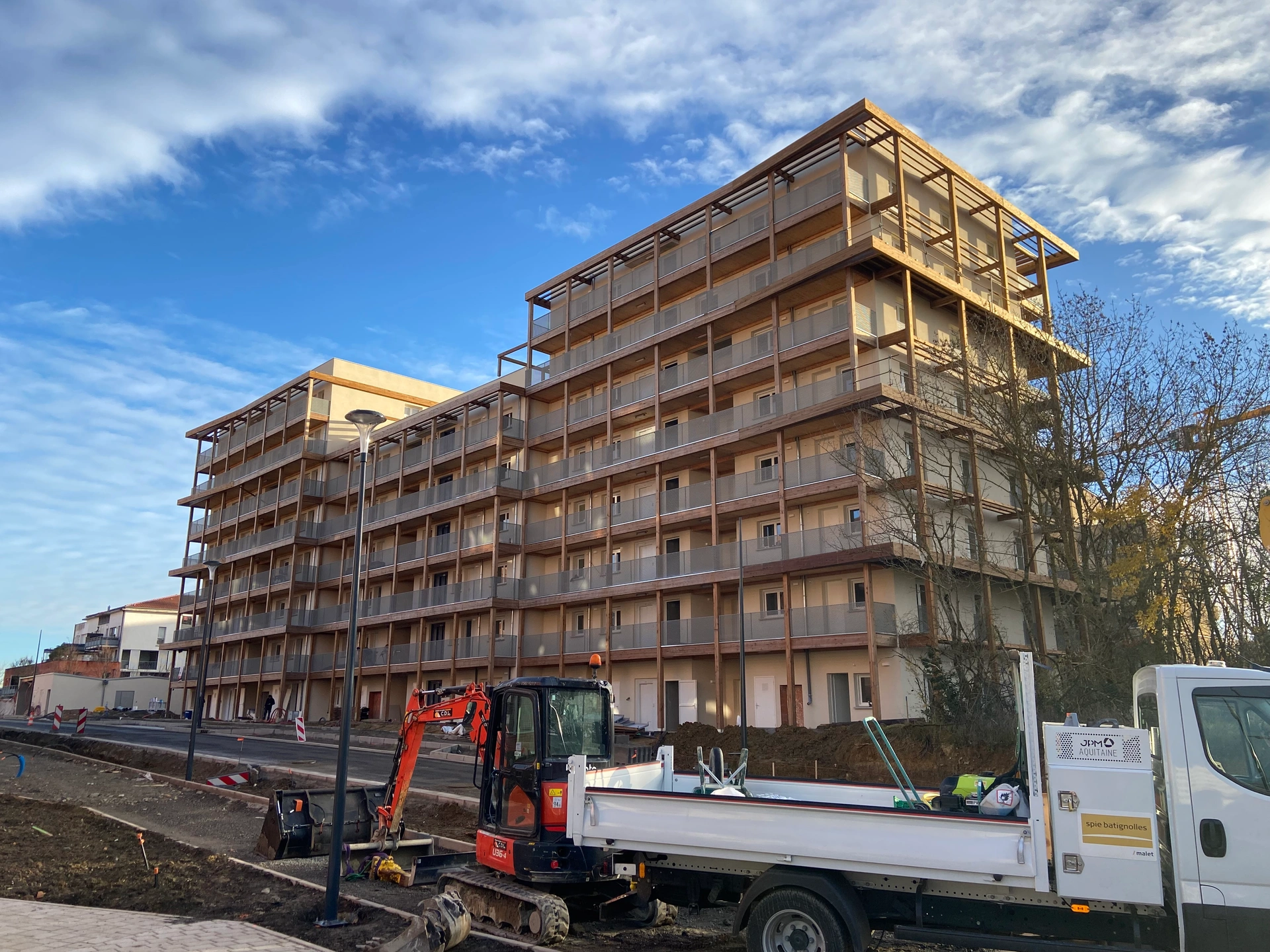
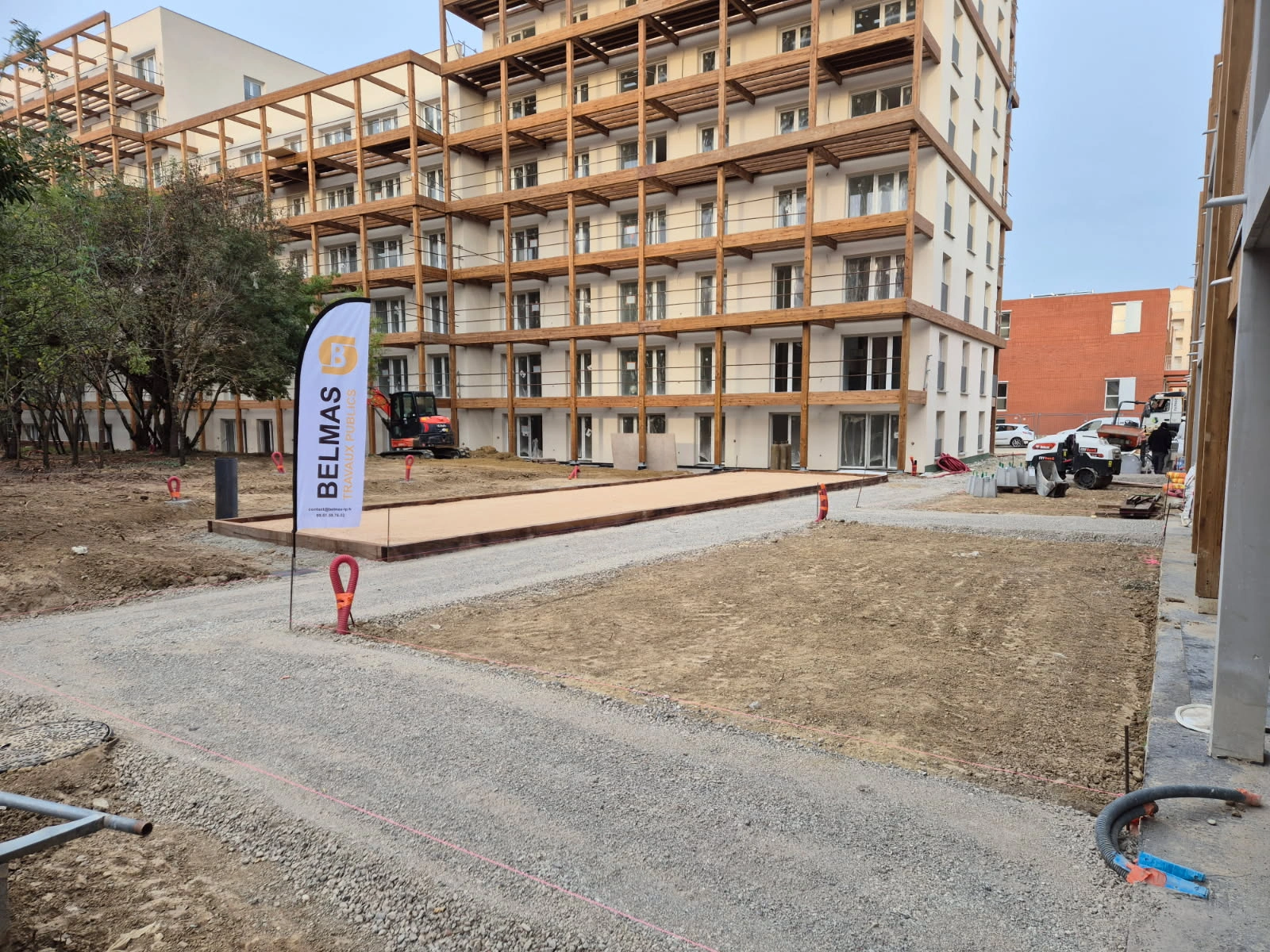
Bois de Nagoya offre 62 logements du T2 au T5 tous traversants, avec jardin, double terrasse ou balcon. La résidence idéalement située entre 2 axes majeurs : la route de Revel et route de Labège, est facilement accessible grâce à la proximité de l'A61, des nombreuses lignes de bus et des pistes cyclables qui desservent le faubourg Malepère.
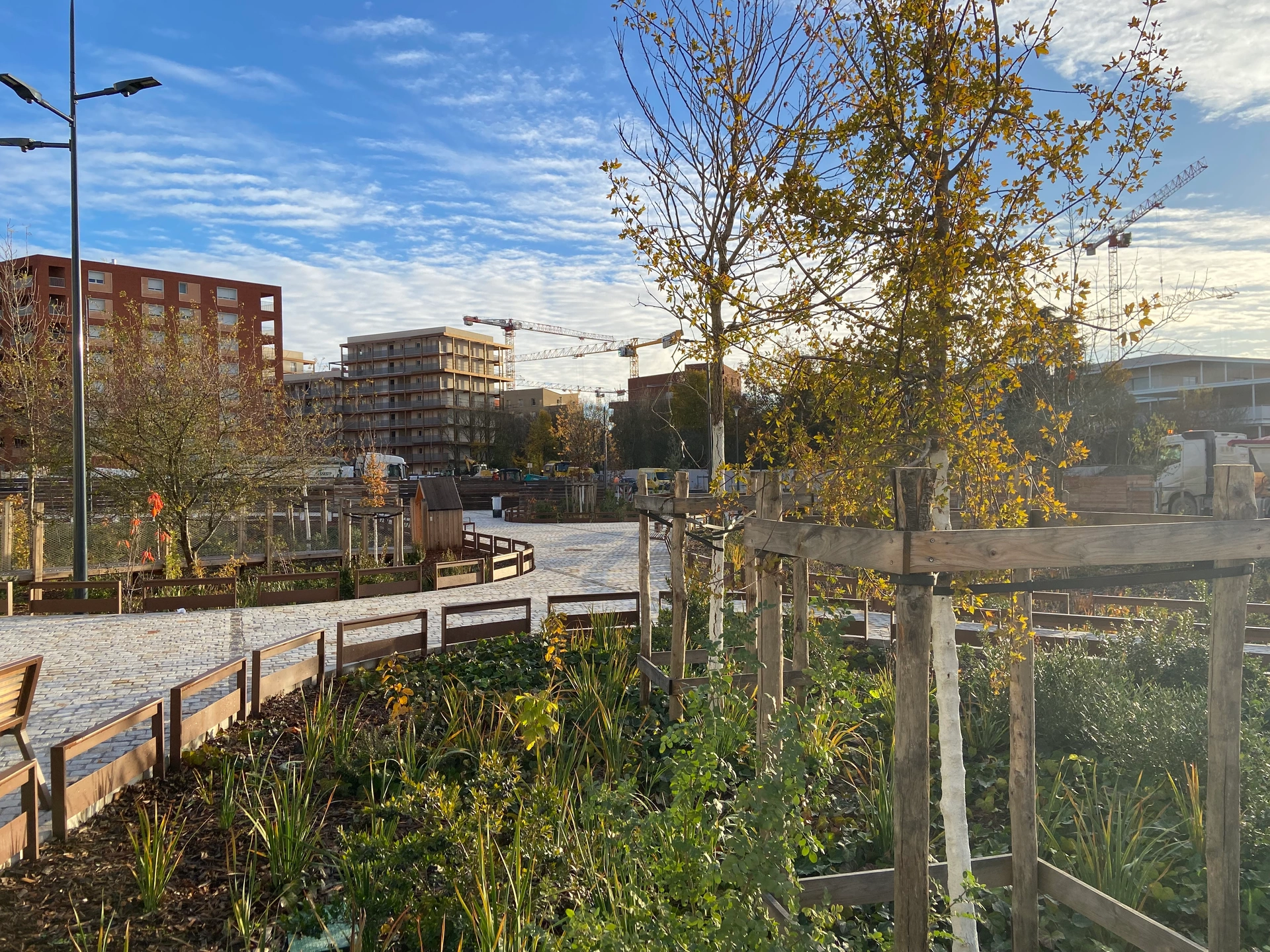
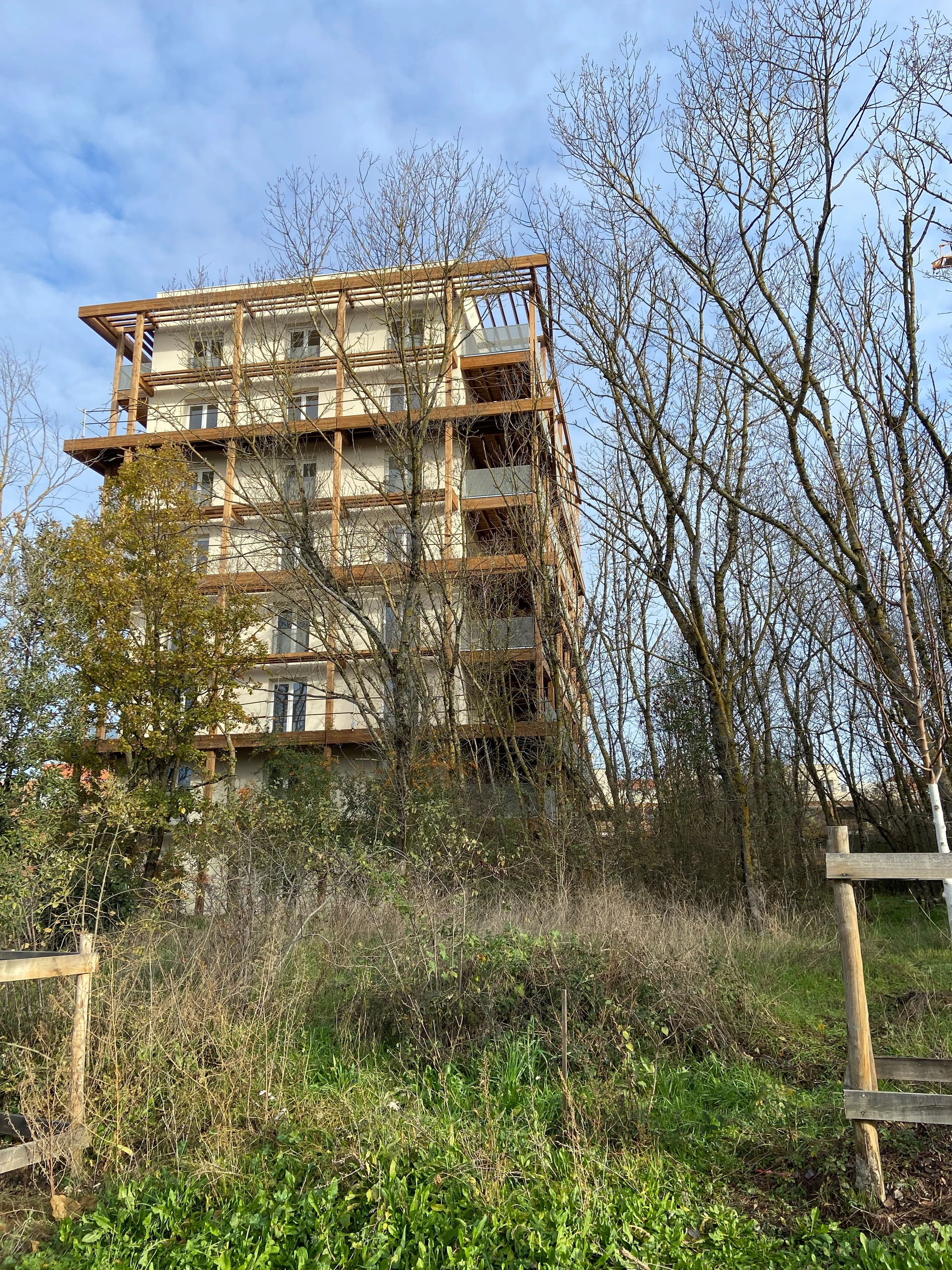
Egalement entouré par le bois de l'Hers et l'espace nature de la Marcaissonne, la résidence honore ainsi la nature autant dans ses espaces paysagers que dans son architecture. Lovée au sein d'une coulée verte, nichée en plein coeur d'un site riche en biodiversité, Bois de Nagoya prend vie, laissant toute sa place à la nature ambiante.
Faubourg Malepère fait honneur à la nature en conservant son identité champêtre."
Bois de Nagoya c'est aussi un programme engagé !
Certification NF HABITAT HQE : La résidence Bois de Nagoya est un incontestable gage de qualité assurant une meilleure isolation thermique et acoustique de haute efficacité. Cette certification, qui permet d'attester des performances et du confort
ressenti au sein des logements, constitue un véritable repère de confiance et de qualité des équipements pour le bien-être des habitants. Ceci grâce à une consommation énergétique moins élevée, un logement plus sain avec une meilleure ventilation et une meilleure sécurité contre les intrusions.
Label INTAIRIEUR : Le projet bénéficie du label IntAIRieur caractérisé par une démarche responsable abordée dès la conception du programme afin de garantir le respect des normes en matière de qualité de l'air. Ainsi, le choix des matériaux
de construction et le bon fonctionnement de la ventilation des logements amènent une atmosphère sereine pour un vrai confort de vie.
Règlementation RE 2020 : La résidence s'aligne à la réglementation environnementale RE 2020 qui a pour objectif de diminuer l'impact des bâtiments neufs sur le climat tout en améliorant la performance énergétique des logements, induisant une réduction des consommations énergétiques. En été comme en hiver, les appartements de Bois de Nagoya sont donc immunisés contre les températures extrêmes.
DPE A
Certification EFFINATURE : La certification Effinature garantit une biodiversité fonctionnelle pour un projet exemplaire :
• La préservation des sols vivants
• Le soutien à la faune locale
• Le développement du patrimoine végétal
• La réduction des nuisances sonores, lumineuses, chimiques tout en favorisant l'économie des ressources naturelles
• Le résilience climatique
ACCES ET TRANSPORTS :
à 750m, Rocade A61, sortie 18
à 1,8 km, Futur Métro C, station Montaudran Innovation Campus
à 400m, Bus L9, arrêt Route de Revel
à 600m, Bus 78, 80, 109, 201, arrêt Chemin de Malepère
à 3,5 km, Gare de Labège-Innopole
à 8 km, Gare Toulouse-Matabiau
à 20 km, Aéroport Toulouse-Blagnac
PRESTATIONS :
Résidence clôturée
Parking sous sol sécurisé
Locaux vélos
Ascenseur
Visiophone, digicode et lecteur de badge
Réseau de chaleur urbain
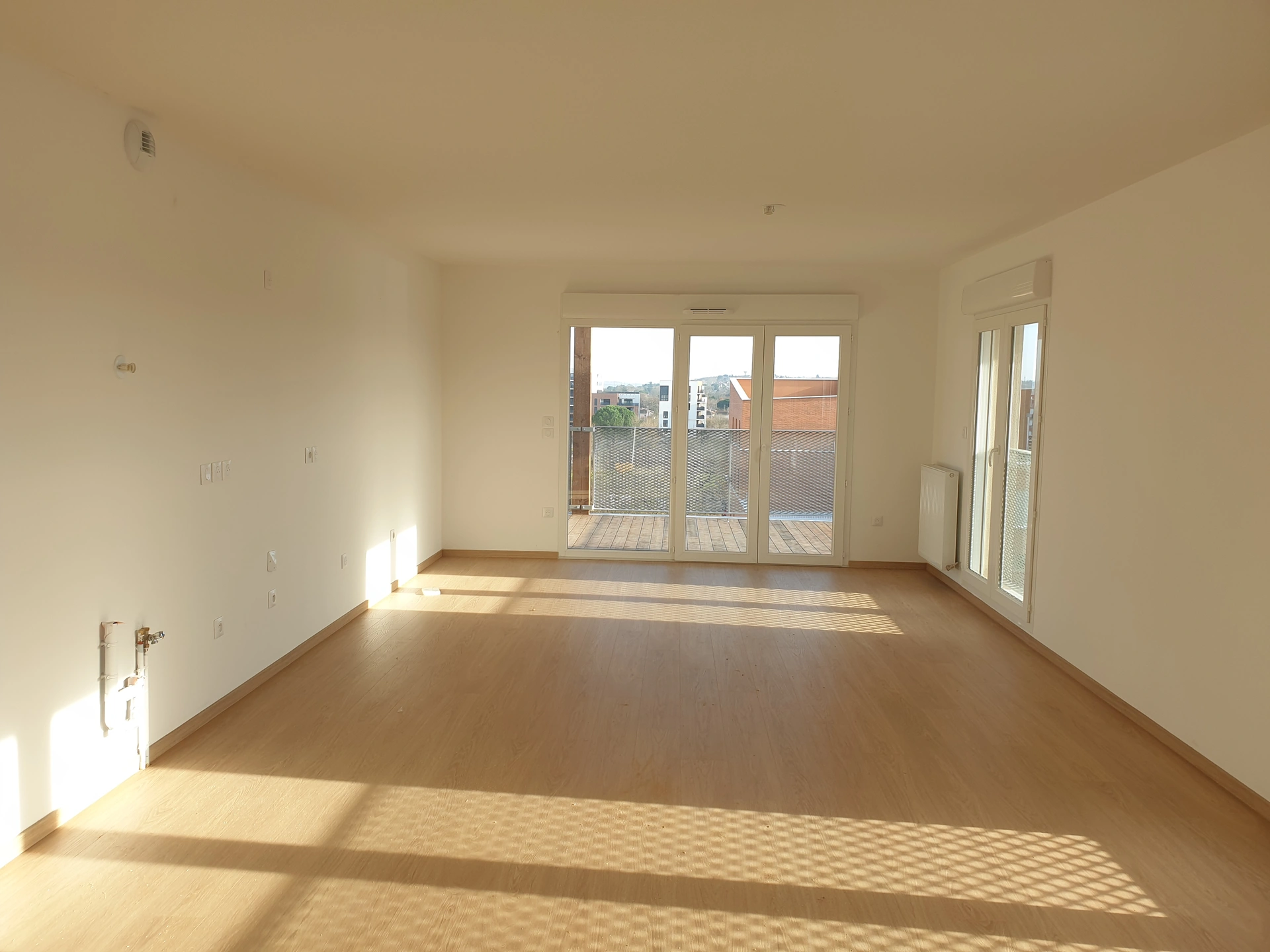
Double vitrage
Volets roulants électriques dans toutes les pièces
Peinture lisse aux murs
Cuisine équipée pour les T2 - T3
Carrelage 45x45 dans toutes les pièces (sauf chambres)
Revêtement flottant stratifié dans les chambres avec plinthes assorties
Placards aménagés
Sèche-serviettes
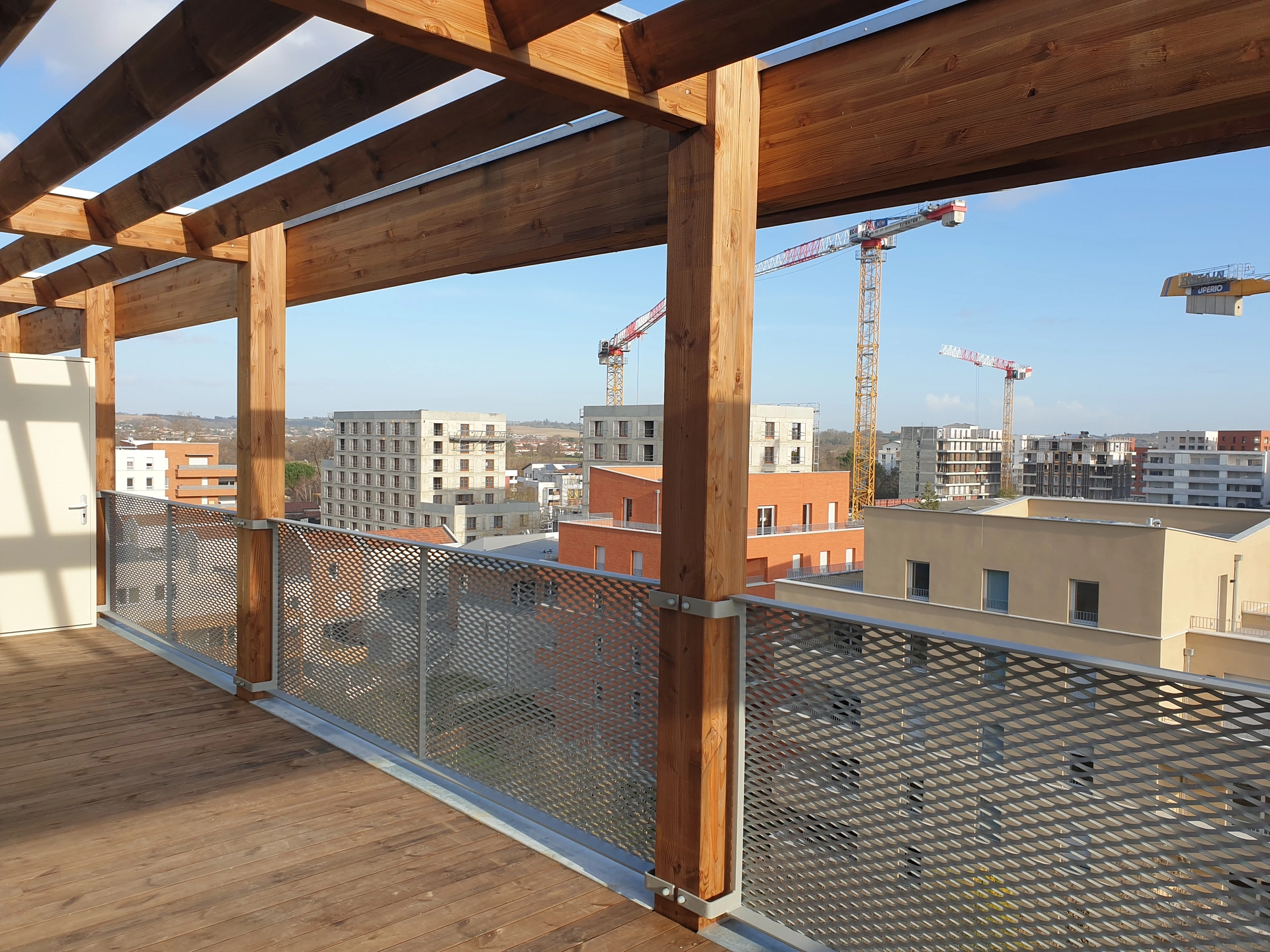
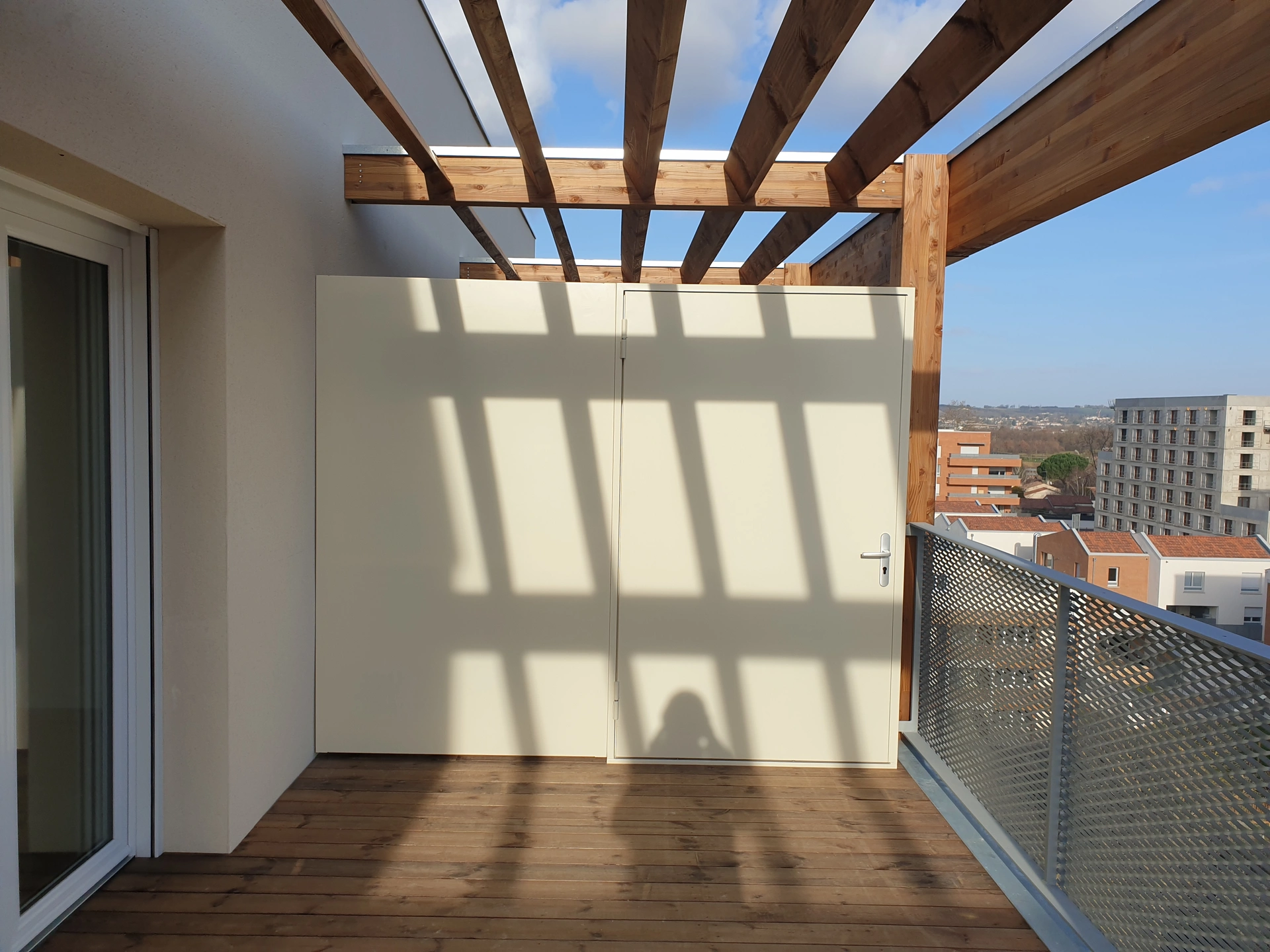
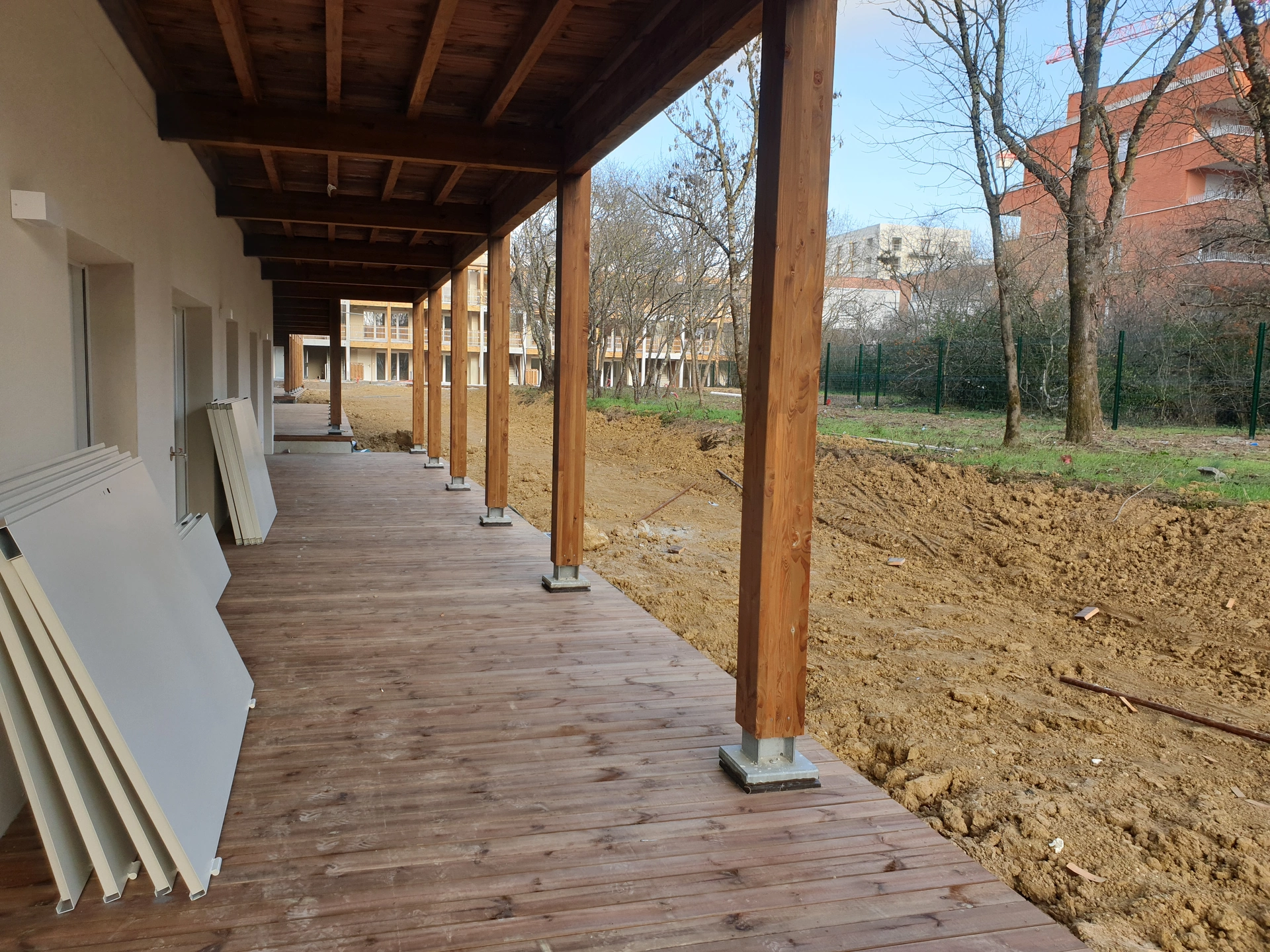
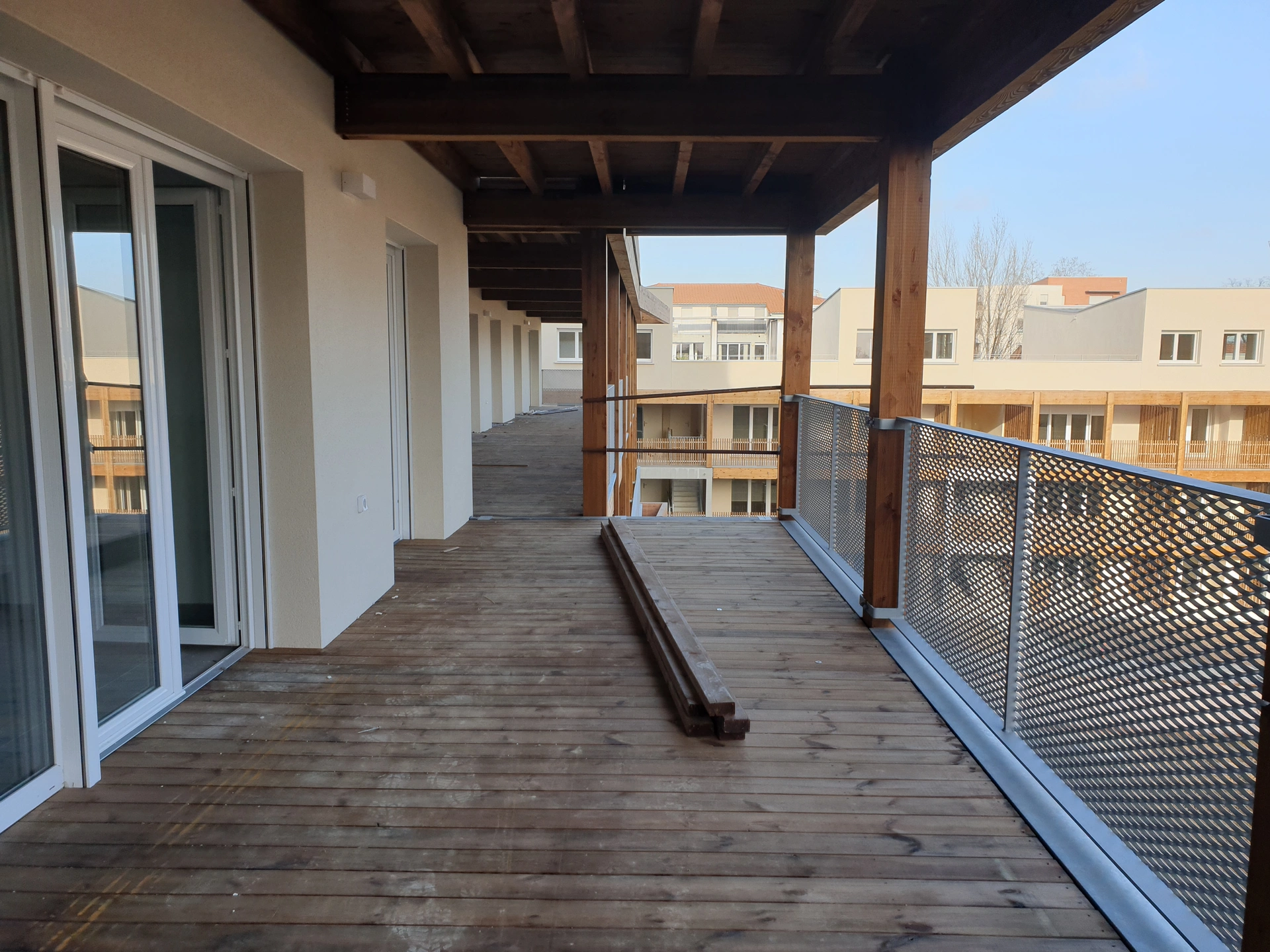
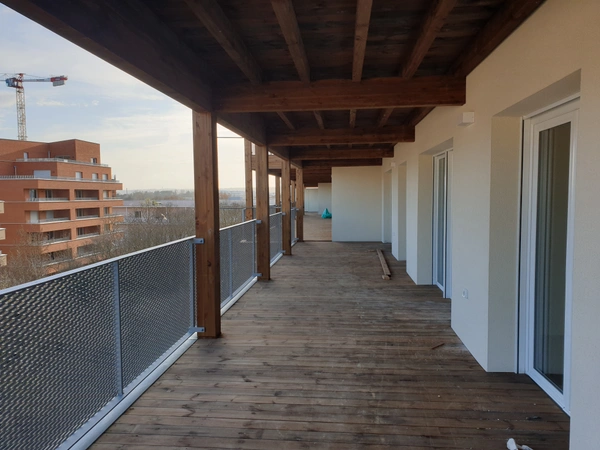
Terrasses, loggias, balcons = revêtement bois
POINTS FORTS :
La présence d'un jardin en ville hors du commun
Une architecture contemporaine à la touche exotique
Une résidence respectueuse de l'environnement, un programme engagé
Une adresse toulousaine dans un quartier nature
6 lots d'habitations disponibles
-
PriceSurface areaCharacteristics
-
Apartment 47m2Parking Floor : 0232 000€
-
232 000€47m2Parking - Floor : 0
-
PriceSurface areaCharacteristics
-
Apartment 87m2Parking Floor : 6369 000€
-
369 000€87m2Parking - Floor : 6
-
Apartment 87m2Parking Floor : 7379 000€
-
379 000€87m2Parking - Floor : 7
-
Apartment 87m2Parking Floor : 7379 000€
-
379 000€87m2Parking - Floor : 7
-
PriceSurface areaCharacteristics
-
Apartment 104m2Parking Floor : 7485 000€
-
485 000€104m2Parking - Floor : 7
-
Apartment 104m2Parking Floor : 6510 000€
-
510 000€104m2Parking - Floor : 6
Are you interested in this property? Contact us !



Legal guarantees: Financial completion guarantee, apparent defects guarantee, perfect completion guarantee, two-year guarantee, and ten-year guarantee.
Energy performance: RT2012 and RE2020
Accessibility to housing: disability standards, elevator, etc.
Standards: thermal, acoustic, etc.
A customizable home: modification works (bathtub, electrical outlet) and/or interior fittings such as tiling, painting, bathroom furniture, etc.
Reduced notary fees: approximately 3% vs. 7 to 8% for older properties
State aid: Zero-interest loan, Pinel scheme, etc.
Total or partial exemption from property tax: for the two years following the construction
Reduced VAT: Possibility of buying properties in ANRU zones and benefiting from a 5.5% VAT under certain income conditions.
First-time homebuyers can benefit from the zero-interest loan (PTZ) under certain income conditions.
First-time homebuyers refer to households that have not owned their primary residence in the two years preceding the loan offer and whose income does not exceed the established ceiling.
The assessment of income is based on the reference taxable income from the year N-2 of all the individuals intended to occupy the property.
The amounts of the PTZ and the income limits vary depending on the location of the property (Zone A, B, or C).
Searching for a property that meets your needs (get assistance from a specialized advisor from Capifrance)
Signing a reservation contract detailing the property (size, location, description), price, delivery date, etc. The buyer pays a deposit to the developer into an escrow account.
Financing the purchase with a loan and signing the loan offer
Signing the deed of sale at the notary's office, including all information about the property, the price and payment terms, the delivery date, and the guarantees.
Customizing the property and selecting materials in agreement with the developer (modification works).
Delivery of the property, allowing for the identification of any defects, which are addressed within a month following delivery by the companies involved in the construction.
RE2020 is the new energy and environmental regulation for all new construction. The developer commits to a certain level of building energy consumption and greenhouse gas emissions.
The aim is to design and build the future living spaces for the French population while pursuing three major objectives set by the government:
An objective of energy efficiency and energy decarbonization;
A reduction in the carbon footprint;
Ensuring comfort in case of extreme heat.
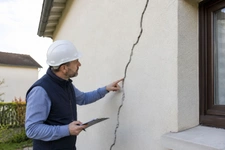
This guarantee applies for 10 years from the date of completion of the work. It protects against potential damages that could compromise the solidity of the construction and make it uninhabitable. Cracks, leaks, roofing problems, etc.: the builder is required to intervene if these damages are not due to normal wear and tear or poor maintenance of the dwelling.
Do you need advice for your real estate project? Contact a Capifrance advisor
